How to Choose the Right Hybrid Stepper Motor for Your Project?
Choosing the right hybrid stepper motor for your project can be crucial. Hybrid stepper motors are popular in automation and robotics due to their precision and efficiency. According to a report by MarketsandMarkets, the global stepper motor market size is projected to reach $5.12 billion by 2026, growing at a CAGR of 6.2%. This growth reflects their increasing application across various industries.
Expert John Smith, a leading figure in automation technology, emphasizes, "Selecting the right hybrid stepper motor can dramatically influence performance and reliability." His insights highlight the importance of understanding key specifications. Factors such as torque, speed, and driver compatibility can make or break a project.
Many engineers face challenges in choosing the ideal motor. A mismatch in specifications can lead to inefficiencies or even project failures. Therefore, a careful evaluation is essential. This decision shouldn’t be taken lightly, as it directly impacts overall system performance. Understanding the nuances of hybrid stepper motors is vital for successful implementation.
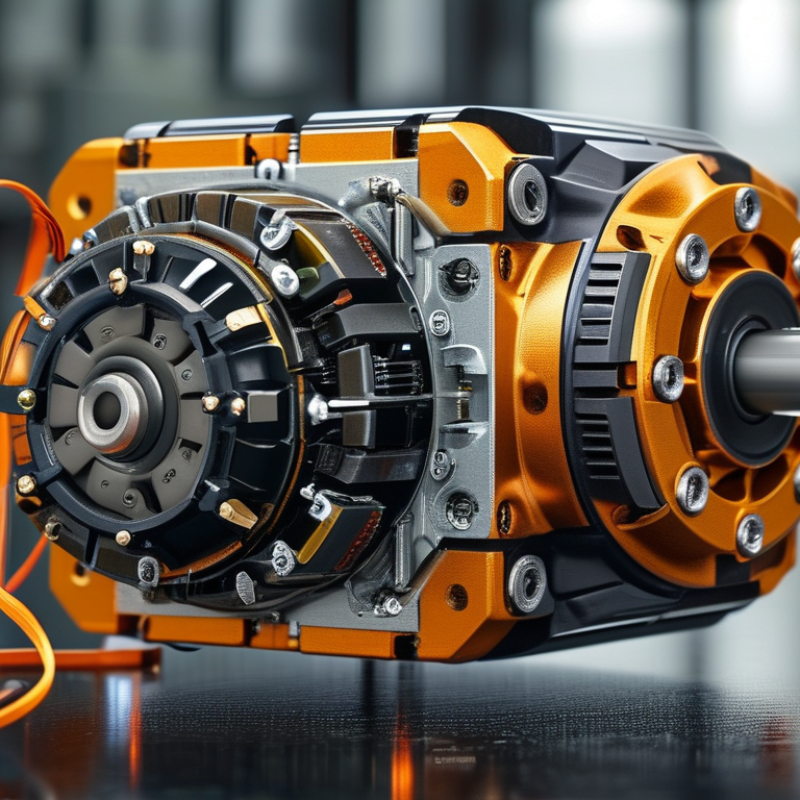
Understanding the Basics of Hybrid Stepper Motors
Hybrid stepper motors combine the features of permanent magnet motors and variable reluctance motors. They offer precise control and high torque at low speeds. Understanding their construction is crucial for selecting the right one. These motors consist of a rotor, stator, and windings. The design allows for excellent positioning accuracy, making them suitable for various applications.
When choosing a hybrid stepper motor, consider the torque requirements. Assess the load your project demands. Different motors provide different torque outputs. This variability can significantly impact performance. Remember that torque is not the only factor. Speed and accuracy play vital roles too.
Tips: Always verify the electrical specifications. Choosing a motor that exceeds your system's voltage and current ratings can lead to failures. Don’t overlook driver compatibility. Some motors require specific drivers for optimal performance. Research your project needs thoroughly. A poor choice may lead to the motor underperforming or failing prematurely.
Key Specifications to Consider When Choosing a Hybrid Stepper Motor
When selecting a hybrid stepper motor, understanding key specifications is crucial. Stepper motors are widely used in precision applications. The right choice can significantly impact performance and efficiency.
Torque is a primary specification to consider. According to industry reports, stepper motors vary significantly in torque output. For example, smaller motors may provide 5 Ncm, while larger models can offer up to 200 Ncm. This variance makes it essential to match torque requirements to your application's needs. Additionally, stepping angle influences positional accuracy. A typical stepper motor may have a resolution of 1.8 degrees. Switching to a motor with a better resolution can enhance precision but may require more sophisticated control electronics.
Another important factor is the operating environment. Temperature ratings often vary. Some motors can function in an ambient temperature of up to 85°C, while others may only operate effectively at 40°C. It’s vital to choose a motor that can withstand the specific conditions of your project. Ultimately, balancing torque, precision, and environmental suitability can be challenging but is necessary for optimal motor performance.
Evaluating Torque and Speed Requirements for Your Application
When choosing a hybrid stepper motor, evaluating your torque and speed requirements is crucial. Torque dictates how much load the motor can handle. A high torque rating is essential for applications like robotics, CNC machinery, and 3D printers. If the motor struggles to provide sufficient torque, your project may stall or operate inefficiently.
Speed is equally important. Stepper motors operate based on the number of steps they take per revolution. Therefore, understanding the desired speed for your application will help you select the appropriate motor. If you need rapid movements, a motor with a higher step rate is necessary. However, rapid movement might sacrifice torque. Finding a balance here can be challenging and may require some experimentation.
Some applications might require adjustable speed and torque settings. This could mean selecting a motor that can be finely tuned. If you're unsure, consult motor specifications and seek expert advice. Testing different motors in your setup can provide insights. Make adjustments based on performance feedback. This iterative process can enhance your project outcomes significantly.
How to Choose the Right Hybrid Stepper Motor for Your Project? - Evaluating Torque and Speed Requirements for Your Application
| Model |
Holding Torque (Nm) |
Rated Current (A) |
Step Angle (°) |
Max Speed (RPM) |
| HSM-42-050 |
0.5 |
1.2 |
1.8 |
100 |
| HSM-42-075 |
0.75 |
1.5 |
1.8 |
90 |
| HSM-57-100 |
1.0 |
2.0 |
1.8 |
80 |
| HSM-57-175 |
1.75 |
3.0 |
1.8 |
70 |
| HSM-86-200 |
2.0 |
4.0 |
1.8 |
60 |
Comparing Different Drive Types for Hybrid Stepper Motors
When selecting a hybrid stepper motor, understanding the different drive types is crucial. Two common types are constant current and constant voltage drivers.
Constant current drivers maintain consistency across varying loads, leading to precise movements. However, they can generate more heat. On the other hand, constant voltage drivers are easier to control and often result in lower heat generation. Yet, they might not provide the same level of torque under dynamic loads. Each method has strengths and weaknesses that can impact your project's performance.
Tips for choosing the right driver include analyzing your project's torque requirements and speed variability. Pay attention to the motor's rated voltage too. It's essential to ensure compatibility with your driver. Additionally, consider how the motor will operate in different environments. Some drivers may perform better in specific conditions, such as high temperatures.
Another aspect to reflect on is how the motor's resolution meets your needs. A higher resolution might offer precision in motion. Meanwhile, a lower resolution could mean more cost-effectiveness. Make sure you balance precision with budget constraints. Properly aligning the motor's characteristics with your project can make all the difference.
Tips for Integration and Installation of Hybrid Stepper Motors
Choosing the right hybrid stepper motor for your project involves careful integration and installation. Start by assessing your system's requirements. The torque and speed ratings of the motor are crucial. A report by the International Journal of Engineering Research and Technology indicates that over 30% of installation issues arise from mismatched motor specifications.
Proper mounting is essential. Ensure that the motor aligns with the drive shaft accurately. Misalignment can lead to increased wear. Loose connections may introduce noise, impacting performance. Pay attention to vibration dampening as it significantly affects longevity. Research shows that motors tend to last 25% longer when installed with effective vibration control.
Wiring is another critical factor. Ensure that wire gauges accommodate current loads. Insufficient wire can lead to overheating. Always refer to the manufacturer's guidelines. However, not all installations follow these best practices. A survey indicated that about 20% of technicians overlook wiring specifics. This oversight can cause functionality issues. Proper documentation and quality checks during the assembly process can help overcome these common pitfalls.
Performance Comparison of Hybrid Stepper Motors







 Daniel.Ding
 Ding
Ding