What is a Stepper Drive and How Does It Work?
In the realm of automation, a Stepper Drive plays a crucial role. Renowned expert Dr. Emily Carter, an engineer specializing in motion control systems, states, "Stepper Drives are essential for precise movements in various applications." This technology allows for accurate positioning, making it invaluable in robotics, 3D printing, and CNC machinery.
A Stepper Drive functions by converting electrical pulses into precise mechanical movements. Each pulse rotates the motor a specific angle, enabling intricate control over movements. This ability to manage consistent, repeatable steps is what sets Stepper Drives apart in the industry. However, potential drawbacks include limited speed and torque compared to other drive systems.
Understanding how a Stepper Drive operates can improve various projects. Yet, it’s important to reflect on its limitations. For instance, in high-speed applications, a Stepper Drive might not perform optimally. Recognizing these nuances helps engineers select the proper drive system for their specific needs.
What is a Stepper Drive?
A stepper drive is an electromechanical device that converts electrical pulses into precise mechanical movements. This technology is widely used in various applications, from 3D printers to CNC machines. According to a recent industry report by Research and Markets, the stepper motor market is expected to grow significantly, with a projected CAGR of around 7.4% from 2021 to 2026.
Essentially, a stepper drive operates by energizing motor windings in a specific sequence. This sequential activation allows for precise positioning and speed control, making it invaluable in automated systems. The ability to control movement with high accuracy is a major advantage in sectors like robotics, where even tiny deviations can result in significant errors. However, achieving optimal performance requires careful calibration and an understanding of load characteristics.
Despite its advantages, a stepper drive isn't without challenges. Overloading a stepper motor can cause overheating, which may lead to failure. Additionally, stepper motors can lose steps if the applied load is too high. Thus, knowing the motor's torque ratings and operational limits is crucial for reliability. Detailed research indicates that about 30% of users encounter issues related to misalignment and inadequate torque. Addressing these factors early can lead to better performance and longer lifespan for stepper drives.
Components of a Stepper Drive System
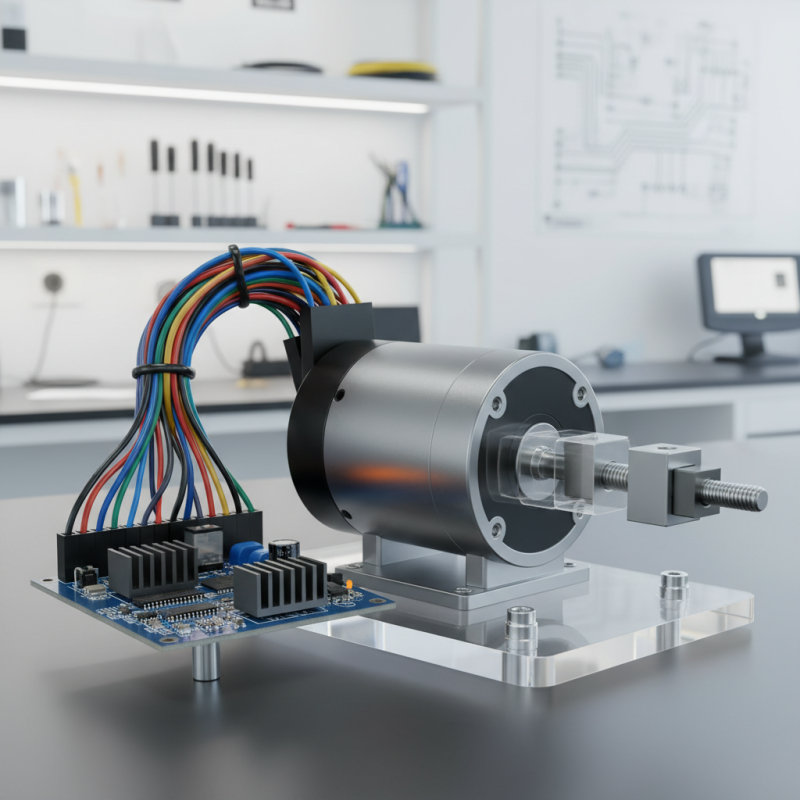
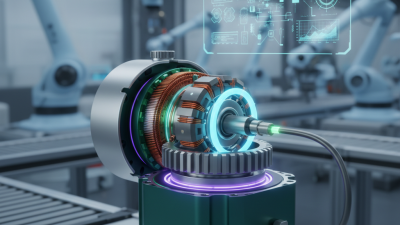
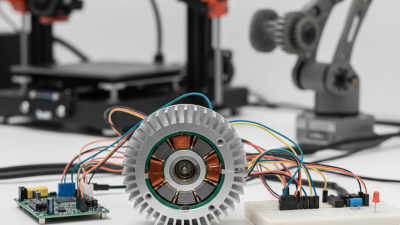
A stepper drive system consists of several key components working together to enable precise motion control. The heart of the system is the stepper motor. This motor converts electrical energy into mechanical motion. It achieves this by dividing a complete rotation into several steps. Each step corresponds to a specific angle, allowing for exact positioning.
Another crucial part is the driver circuit. This circuit sends electrical signals to the motor. It determines the speed and direction of the motor's rotation. The driver can control multiple motors simultaneously, enhancing efficiency in complex systems. The power supply is also essential. It provides the necessary voltage and current to the motor and driver, ensuring reliable performance.
Last, feedback systems may be included to monitor and adjust the motor's position. These systems can improve accuracy and reduce errors. However, integrating these components can be challenging. Proper alignment and configuration are necessary for optimal performance. Each component must be compatible, and sometimes issues arise. This troubleshooting process requires experience and careful consideration.
How Stepper Drives Operate Mechanically
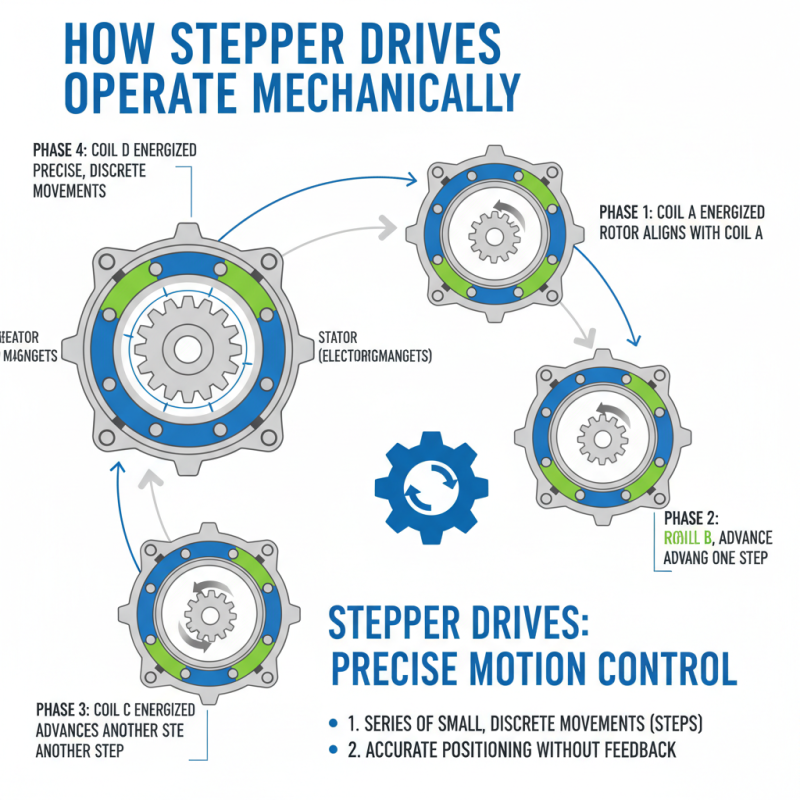
Stepper drives are integral components in many applications requiring precise control of motion. Their mechanical operation revolves around a series of small, discrete movements. These movements, called steps, allow for accurate positioning without the need for complex feedback systems.
The heart of a stepper drive is the stepper motor. Inside, permanent magnets interact with electromagnets. When power is supplied, the electromagnets activate in a sequence. This sequential activation rotates the motor’s shaft in controlled increments. Each step corresponds to a specific angle, enabling precise movements in machinery and robotics.
In addition to their mechanical design, stepper drives have a few quirks. Some models exhibit loss of steps under high load or rapid acceleration. This can be a challenge when maintaining position accuracy. While they excel in certain environments, engineers often need to adjust parameters to optimize performance. Understanding these nuances is crucial for effective implementation in demanding applications.
Types of Stepper Motors and Their Applications
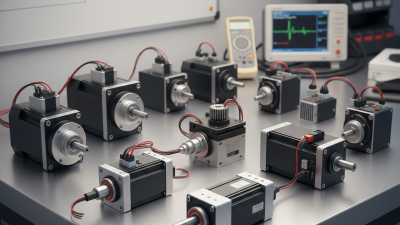
Stepper motors are widely used due to their precision and control. They come in various types, each with unique applications. The two most common categories are permanent magnet stepper motors and variable reluctance stepper motors.
Permanent magnet stepper motors are efficient and provide reliable performance. They are often used in printers and CNC machines. Their ability to maintain torque at low speeds makes them valuable in applications where detail is crucial. Conversely, variable reluctance steppers are simpler in design. They work best in high-speed applications. Robotics and automated systems frequently employ these motors for their rapid response times.
Yet, not all applications suit every type of stepper motor. The choice largely depends on the torque, speed, and precision needed. Understanding the strengths and weaknesses of each type is essential. However, engineers sometimes overlook specific requirements and select motors hastily, which can lead to performance issues. Evaluating applications thoughtfully can make all the difference.
Advantages and Limitations of Stepper Drives
Stepper drives are widely used in various applications due to their precise control capabilities. However, they come with both advantages and limitations. On one hand, stepper drives offer high accuracy in positioning, making them ideal for automation tasks. According to a report from the International Society of Automation, stepper motors achieve up to 1.8° precision per step. This precision is crucial in industries such as robotics and CNC machining.
On the downside, stepper drives experience resonance issues at certain speeds. This can lead to vibrations, which affect performance and reduce lifespan. A study by the Institute of Electrical and Electronics Engineers (IEEE) highlighted that resonance can occur in up to 30% of stepper drive applications. Furthermore, stepper motors are less efficient at higher speeds and loads, often leading to thermal issues. Engineers must consider these limitations when selecting stepper drives for specific applications.
Power consumption is a significant trade-off. While stepper drives are efficient in low-load scenarios, they consume more power at higher loads. A recent analysis showed that stepper drives can waste up to 50% more energy compared to other drive types in heavy-duty operations. Thus, it's essential to weigh these factors carefully, balancing the need for precision with the associated challenges and inefficiencies that stepper drives present.



 Daniel.Ding
 Ding
Ding