2026 Top Innovations in Stepper System Technology Explained
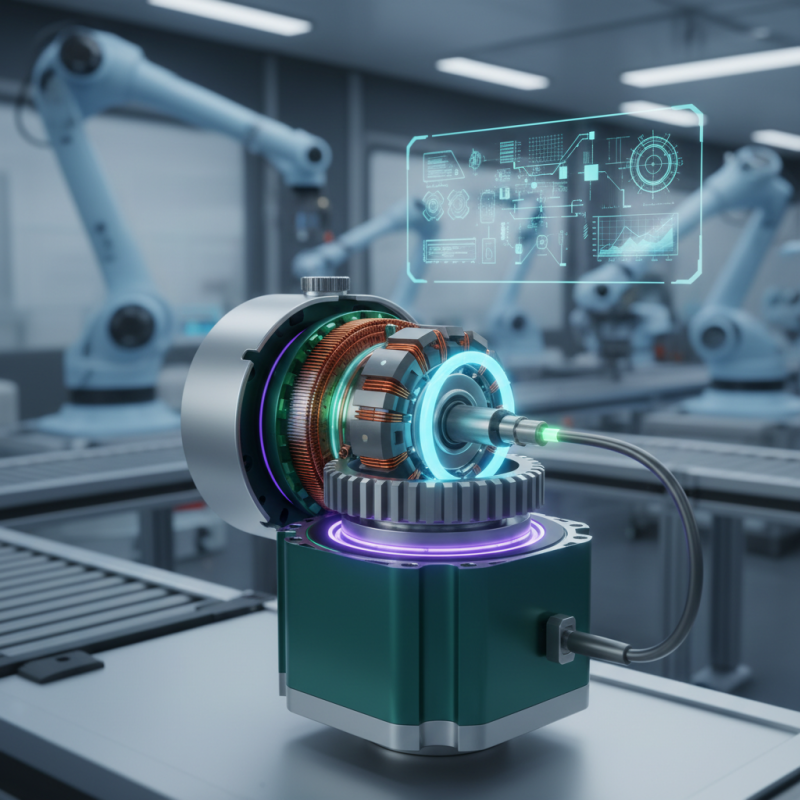
In the rapidly evolving landscape of technology, stepper systems stand out for their precision and reliability. As we look toward 2026, innovations in stepper system technology promise to redefine automation environments. These systems, crucial for various applications including robotics and manufacturing, are consistently enhancing their performance.
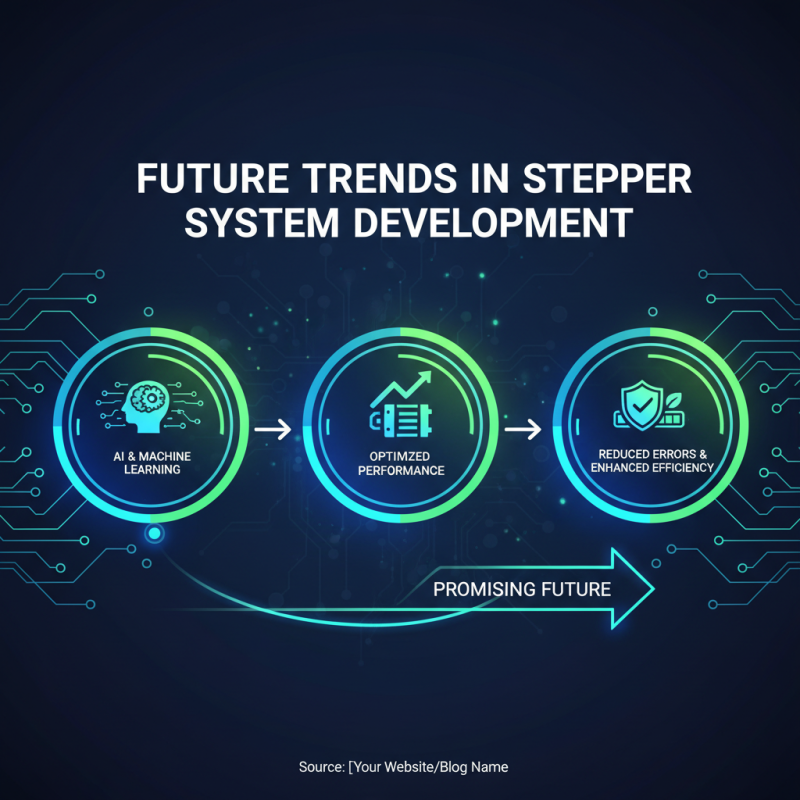
Stepper systems use digital signals to control precise movements. This allows for accurate positioning in various sectors. New advancements focus on increasing efficiency and reducing energy consumption. Additionally, the integration of AI in stepper systems could lead to smarter automation solutions. However, challenges remain. Innovations must address reliability and maintenance needs.
The future of stepper system technology is not without obstacles. Users seek improved capabilities alongside user-friendly interfaces. As we explore the top innovations for 2026, it's evident that the potential for transformation exists. Balancing these innovations with practical application will be key to success in the field.
Overview of Stepper System Technology Innovations
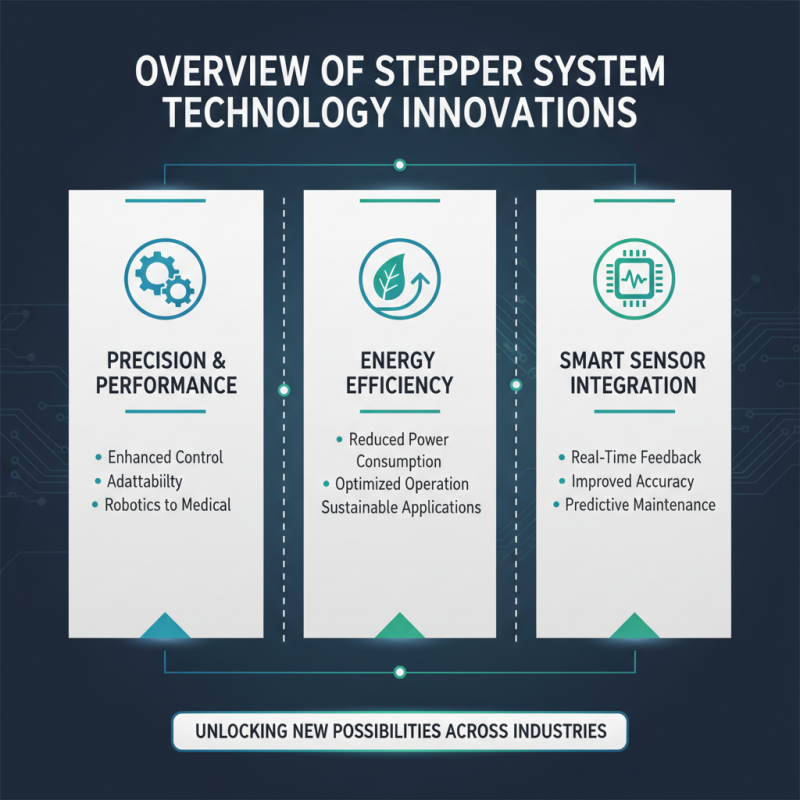
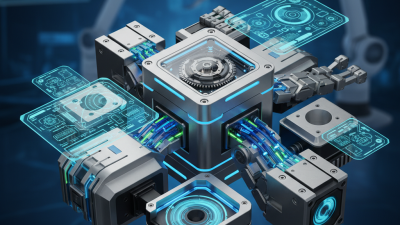
The advancements in stepper system technology have unlocked new possibilities across various industries. These innovations focus on precision, energy efficiency, and enhanced performance. A recent trend is the integration of smart sensors that provide real-time feedback. This allows for better control and adaptability, promoting accuracy in applications ranging from robotics to medical devices.
One notable innovation is the development of hybrid stepper motors. They blend characteristics of both stepper and servo motors, offering greater torque and smoother operation. This can lead to improved functionality in complex systems. Smart designs often include compactness, which is crucial in space-constrained applications.
Tips: When selecting a stepper system, consider your specific needs. Evaluate torque requirements and desired precision. Be mindful that new technology may take time to adapt. Understanding these innovations thoroughly can lead to better implementation choices.
Key Advances in Stepper Motor Design and Efficiency
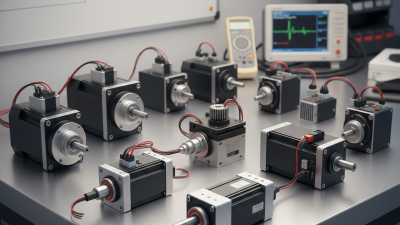
Stepper motors are increasingly crucial in industrial applications. Recent advancements in their design have significantly improved their efficiency. According to the International Society of Automation, the efficiency of modern stepper motors can reach up to 90%. This high efficiency reduces energy consumption, leading to cost savings for manufacturers.
Innovations in stepper motor architecture play a vital role in these improvements. For instance, the adoption of higher-grade materials has enhanced torque output. These materials allow for better heat dissipation, which is a critical factor in motor longevity. Some reports indicate that using advanced alloys can extend the lifespan of stepper motors by 20%. However, the challenge remains to balance material costs with performance gains. Finding this balance is essential in a market that demands both efficiency and affordability.
Moreover, emerging control algorithms are redefining how stepper motors operate. Algorithms now allow for more precise movement control. These enhanced controls help reduce step loss, which can hinder performance. Yet, with increased complexity comes the need for better training and resources for operators. Manufacturers must also consider how to integrate these novel systems into existing setups. Addressing these hurdles is critical to realizing the full potential of innovations in stepper system technology.
2026 Top Innovations in Stepper System Technology Explained - Key Advances in Stepper Motor Design and Efficiency
| Innovation |
Description |
Efficiency Gain (%) |
Application Areas |
Release Year |
| Magnetic Levitation |
Utilizes magnetic fields to reduce friction and increase precision. |
30% |
Robotics, Medical Devices |
2026 |
| Advanced Feedback Control |
Incorporates AI algorithms for improved torque and position control. |
25% |
Industrial Automation, CNC Machines |
2025 |
| High-Efficiency Windings |
Utilizes new winding techniques to reduce energy loss. |
20% |
Consumer Electronics, 3D Printing |
2024 |
| Nano-coating Technology |
Enhances durability and reduces wear on components. |
15% |
Aerospace, Automotive |
2023 |
| Integrated Smart Sensors |
Real-time monitoring for enhanced operational insights. |
18% |
Smart Manufacturing, IoT Devices |
2026 |
Integration of Smart Control Algorithms in Stepper Systems
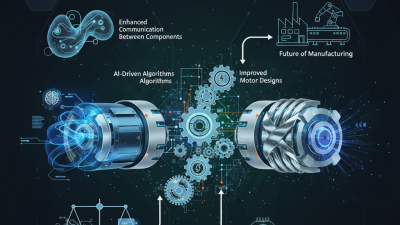
The integration of smart control algorithms in stepper systems marks a significant advancement in automation technology. These algorithms optimize performance by enhancing precision and responsiveness. They allow stepper motors to adapt to varying loads dynamically, improving overall efficiency. This adaptability is crucial in applications requiring high accuracy and low vibration.
Smart control algorithms enable seamless communication between components. This communication leads to better synchronization and reduced latency in operations. However, the complexity of these systems can pose challenges. Engineers must ensure that the algorithms are robust and can handle real-world variances. Moreover, the need for continuous updates may add strain to maintenance processes.
The transition to intelligent stepper systems opens up opportunities for innovation. These systems can now be implemented in robotics, CNC machines, and automation lines. Yet, implementing advanced control algorithms requires careful consideration of the software and hardware involved. Not all setups may benefit equally from these enhancements, leading to potential inefficiencies in specific contexts.
Applications of Stepper Technology in Robotics and Automation
The application of stepper technology has transformed robotics and automation. In 2026, the integration of stepper systems is expected to hit $2 billion in market size, according to industry reports. Multiple sectors, from manufacturing to healthcare, rely on these systems for precise control and movement.
Stepper motors are essential in robotic arms and assembly lines. They provide accurate positioning, making them ideal for tasks requiring high precision. A report from TechInsights indicates that up to 70% of robotic applications utilize stepper technology for motion control. This shift enhances productivity but raises concerns about dependency on automation.
Despite their benefits, challenges remain. Not all applications may benefit from stepper systems due to speed limitations. Performance in high-speed operations is a concern. Furthermore, the demand for skilled technicians to maintain these systems is growing. A study by Automation World highlighted a 15% skills gap in the workforce. Balancing these factors is crucial for future advancements in the field.




 Daniel.Ding
 Ding
Ding