2026 How to Choose the Best Hybrid Stepper Motor for Your Needs?
Choosing the right Hybrid Stepper Motor for your specific application can be a daunting task. With numerous options available, understanding the critical factors is essential. A hybrid stepper motor combines features from both permanent magnet and variable reluctance motors. This blend offers higher precision and better performance compared to other motor types.
When considering the ideal hybrid stepper motor, it's crucial to evaluate torque, speed, and the application's requirements. Many users overlook the power supply and control systems that need to be compatible. Failing to factor these elements can lead to suboptimal performance. Additionally, selecting the right step angle affects the motor's resolution. Striking a balance between these features is vital.
Many users also underestimate the importance of reliability and durability. A well-chosen hybrid stepper motor can enhance efficiency and longevity. Be aware of the potential for frustration if the motor's capabilities do not align with your needs. The decision-making process may seem overwhelming, but understanding your priorities will lead to a more suitable choice.
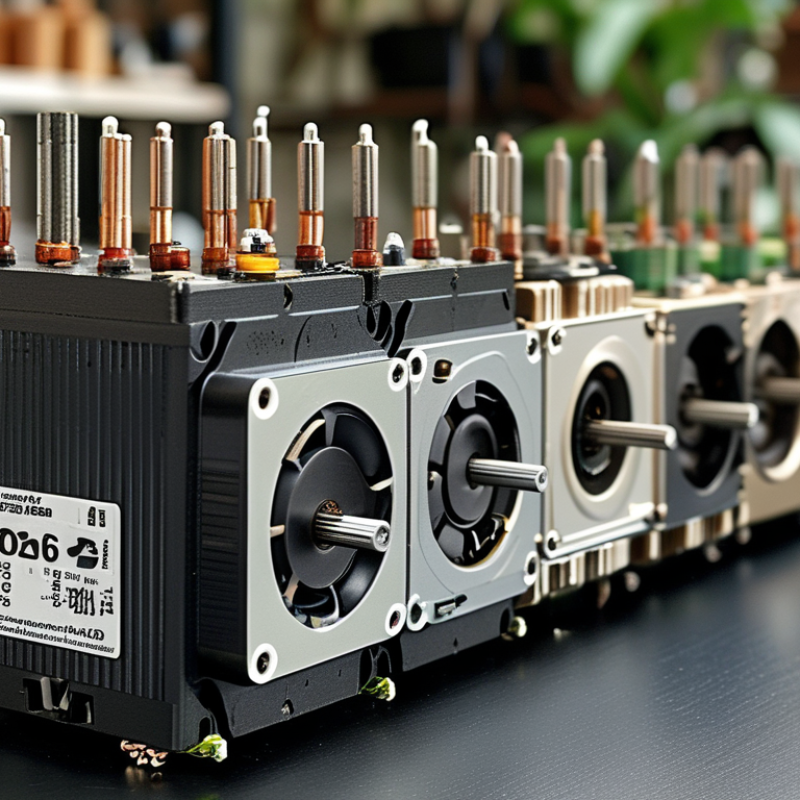
Understanding Hybrid Stepper Motors: Basics and Advantages
Hybrid stepper motors combine the advantages of traditional stepper motors and DC servo motors. They provide precise control and high torque, making them ideal for various applications. In the manufacturing sector, for instance, the market report by ResearchAndMarkets predicts a growth of 7.5% in hybrid stepper motors over the next five years. This growth highlights their increasing relevance in automation and robotics.
Understanding the operational principles of these motors is crucial. They operate through a series of coils that create magnetic fields, allowing precise movements in steps. This provides the ability to control position and speed effectively. However, one must note that they can generate heat under continuous operation. When selecting a motor, this thermal management aspect is often overlooked, leading to efficiency issues.
The hybrid stepper motor’s torque-to-weight ratio is another important aspect. It typically offers up to three times the torque of a regular stepper motor. This means better performance in compact spaces. However, potential users must be cautious. Installing a motor that exceeds the application’s requirements can lead to overkill, causing unnecessary costs and complications. Understanding your specific needs is essential before making a decision.
Key Specifications to Consider When Choosing a Hybrid Stepper Motor
When selecting a hybrid stepper motor, several key specifications are critical to ensure optimal performance. One such specification is the holding torque, which determines the motor's ability to maintain a position without slipping. Data indicates that stepper motors with a higher holding torque often lead to improved precision in applications like robotics and CNC machines. This precision is essential for minimizing errors, which can be costly in manufacturing settings.
Another vital specification is the motor's step angle. A smaller step angle allows for finer control and smoother movement, making it suitable for intricate designs. Reports suggest that motors with a step angle of 1.8 degrees are common, providing a good balance between performance and complexity. However, it's important to consider the application. Sometimes, a motor with a larger step angle could suffice, reducing the cost and simplifying control systems.
Additionally, consider the rated current and voltage. These factors impact the motor's efficiency and thermal management. Insufficient ratings can lead to overheating, affecting performance. Conversely, higher ratings might not always equate to better results. Finding the right balance requires careful evaluation of your specific needs and constraints. Always reflect on the intended use to ensure the chosen motor meets your expectations without going beyond your budget.
Applications of Hybrid Stepper Motors in Various Industries
Hybrid stepper motors have gained traction across various industries due to their precision and reliability. In manufacturing, these motors provide excellent control for CNC machines, enhancing production efficiency. According to a 2022 industry report, hybrid stepper motors can improve operational efficiency by up to 25%. This is because they offer precise positioning and repeatability. Such characteristics are crucial in high-demand environments.
In the medical field, hybrid stepper motors power surgical robots and diagnostic equipment. Accuracy directly impacts patient outcomes. A study published in the Journal of Medical Robotics noted that systems using hybrid stepper motors showed a 30% faster response time. This improvement could lead to quicker surgical procedures and improved safety.
However, selecting the right hybrid stepper motor can be challenging. Various factors must be considered, including torque requirements and environmental conditions. The complexity of integration often leads companies to hesitate. Relying solely on specifications can be misleading. It is essential to evaluate real-world performance alongside theoretical data.
Comparing Hybrid Stepper Motors with Other Types of Stepper Motors
When evaluating hybrid stepper motors, it’s essential to compare them with other types. Hybrid stepper motors combine features of permanent magnet and variable reluctance motors. This fusion results in higher torque and better performance. They offer precise control over speed and position, making them ideal for various applications.
In contrast, permanent magnet stepper motors are simpler in design. They tend to be more affordable but lack the torque output of hybrids. Variable reluctance motors, while offering speed, often struggle with precision. This difference can be critical in projects requiring accuracy. Users may find hybrids provide the best of both worlds, though they are more complex and sometimes require fine-tuning.
It's crucial to reflect on your needs and the specific requirements of your project. A hybrid stepper motor might not always be the right answer. Assessing factors such as load, control method, and environmental conditions is vital. Sometimes, a simpler option works best. Balancing elegance with functionality can be tricky. Careful consideration leads to better decisions in motor selection.
Evaluating Price vs. Performance for Hybrid Stepper Motors
When selecting the best hybrid stepper motor, price versus performance is crucial. Many buyers focus solely on cost, overlooking performance metrics. A low price might indicate compromised quality. Evaluating torque, speed, and precision ensures you choose a motor suited for your application.
Performance is not only about specifications; it is also about reliability and efficiency. A motor with higher torque may come at a premium. However, this investment can lead to better functionality and longevity. Sometimes, a more affordable motor may falter in demanding tasks, leading to higher costs in repairs or replacements.
An often-overlooked detail is the motor's operational environment. For instance, dust and temperature can affect performance. Not every motor can handle extremes. Therefore, assess both price and performance in relation to your specific conditions. This reflection will guide you towards a well-rounded decision that meets your needs effectively.







 Daniel.Ding
 Ding
Ding