2026 Top Trends in Stepper Drive Technology for Automation and Robotics?
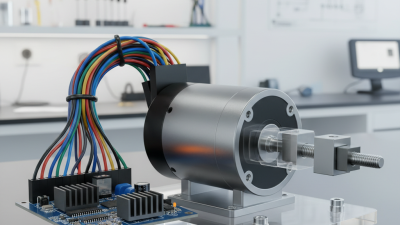
The landscape of automation and robotics is rapidly evolving, with stepper drives at the forefront of this technological shift. These precision control systems enable smooth and accurate motion, essential for modern applications. As industries increasingly embrace automation, understanding stepper drive technology becomes crucial.
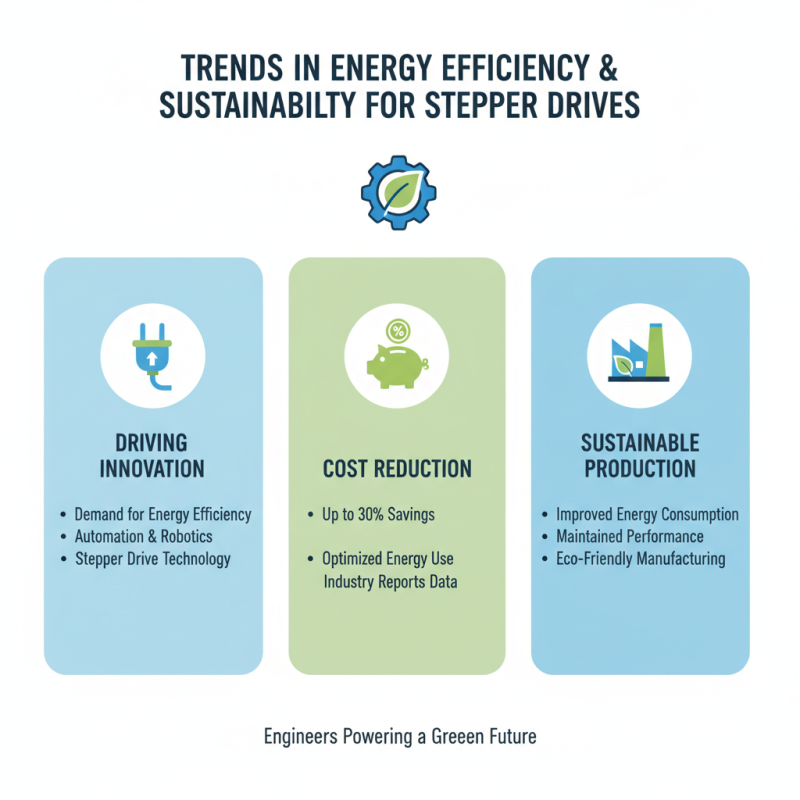
In 2026, several trends will shape the development of stepper drives. Manufacturers are focusing on enhancing efficiency, reducing energy consumption, and improving reliability. Intelligent features such as real-time monitoring are becoming commonplace in stepper drive systems. The integration of AI will likely refine their performance further, yet, challenges remain in harmonizing these advancements with existing systems.
Moreover, the need for greater customization is rising. Each application requires unique specifications, which can complicate the design processes. It’s vital to acknowledge that while advancements are promising, they may not always meet every operational need flawlessly. Stakeholders must adapt and reflect on how best to implement these technologies for optimal results.
Emerging Technologies in Stepper Drive Systems for 2026
The year 2026 is set to witness significant advancements in stepper drive technology, notably in automation and robotics. Emerging technologies in stepper drive systems will prioritize efficiency and precision. Reports indicate that the global stepper motor market is expected to reach $7.3 billion by 2026, with a CAGR of 5.5% from 2021 to 2026. Such growth emphasizes the demand for more advanced control systems and integrated solutions.
One notable trend is the increasing integration of AI capabilities into stepper drives. This integration allows for real-time monitoring and predictive maintenance, reducing downtime. Companies are also exploring innovative materials and designs. Lightweight components will enhance performance. Moreover, the shift towards eco-friendly manufacturing practices cannot be ignored. A recent survey shows that 70% of industry professionals consider sustainability a crucial factor in their purchasing decisions.
Despite these advancements, challenges remain. The complexity of control algorithms can lead to increased costs and potential reliability issues. There is a recognized need for further research and development. Additionally, as stepper systems become more sophisticated, workforce training will become paramount. Educating technicians on these new technologies will ensure optimal performance and safety.
Advancements in Motor Control Algorithms for Enhanced Performance
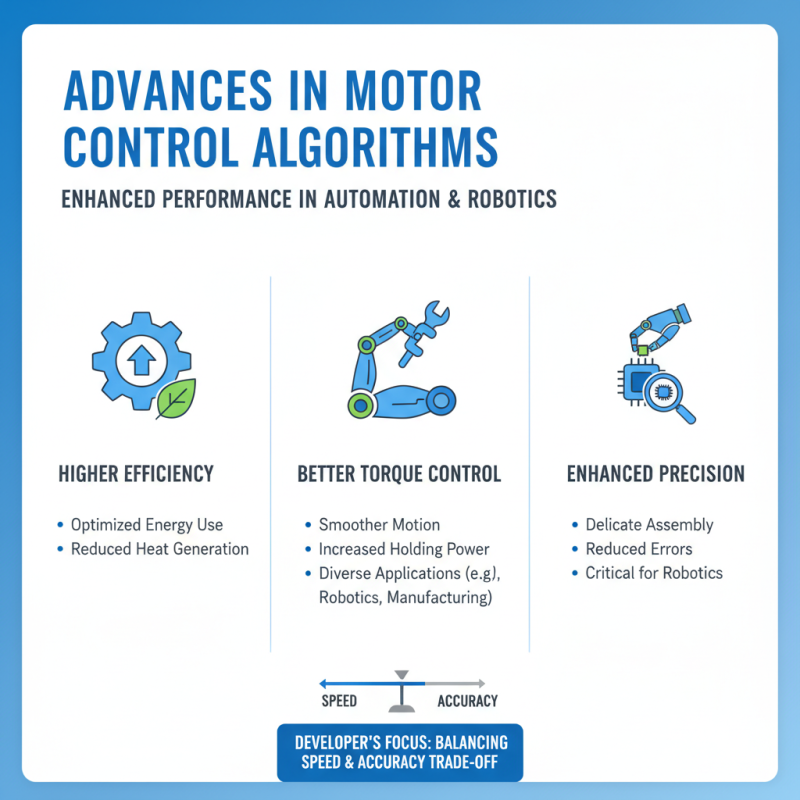
Advancements in motor control algorithms are shaping the future of stepper drive technology, especially in automation and robotics. These algorithms are achieving higher efficiency and better torque control in various applications. Enhanced precision is critical for robots in delicate assembly tasks. The trade-off between speed and accuracy continues to be a focal point for developers.
One interesting trend is the integration of AI in motor control. Adaptive algorithms learn from real-time data, improving performance over time. This also presents challenges. Developers must consider the complexity of these algorithms. Missteps in programming can lead to uneven motor performance. Balancing innovation with reliability is essential. Simple control techniques still have their place, offering stability in various applications.
Furthermore, the demand for scalability in production systems is rising. Motor control algorithms must adapt to different loads and conditions. This adaptability can introduce inconsistencies. Continuous feedback loops are necessary for monitoring performance. In an industry where every second counts, finding a reliable approach remains vital. These advancements, while promising, often require reflection and adjustment to fully harness their potential.
Integration of AI in Stepper Drive Technologies for Automation
The integration of artificial intelligence (AI) in stepper drive technology is transforming automation and robotics. AI algorithms enable more precise control of stepper motors, enhancing their efficiency. According to a recent industry report from Global Market Insights, the stepper motor market is projected to reach $3.5 billion by 2026. This growth highlights the increasing reliance on advanced technologies in manufacturing processes.
AI in stepper drives allows for real-time data analysis. Such capabilities optimize motor performance and predict maintenance needs, significantly reducing downtime. Industries report efficiency increases of up to 30% with AI integration. However, AI implementation isn't without challenges. Many companies face difficulties in data management and the need for skilled workers to interpret AI insights.
Tip: Start small with AI integration. Employ data analytics in a single application before expanding across your processes. This approach allows for better understanding and smoother transitions.
AI-driven predictive maintenance helps extend the life of equipment. Yet, organizations often underestimate the importance of regular updates and calibrations. Keeping software current is essential for optimal performance. Overlooking this can lead to inefficient operation and increased failures.
Tip: Schedule biannual reviews of your systems. Regular checks ensure that your stepper drives and AI tools function harmoniously, maximizing operational efficiency.
2026 Top Trends in Stepper Drive Technology for Automation and Robotics
| Trend |
Description |
Impact on Automation |
AI Integration |
Expected Adoption Rate (%) |
| Increased Precision |
Enhancements in drive algorithms leading to better positioning accuracy. |
Improved performance in applications requiring high precision. |
AI algorithms optimize precision settings based on real-time feedback. |
75 |
| Energy Efficiency |
Advancements in drive technologies that reduce energy consumption. |
Lower operational costs and environmental footprint. |
Machine learning adjusts power usage dynamically for optimal energy savings. |
80 |
| Enhanced Communication Protocols |
New protocols improve communication between devices. |
Increased system efficiency and integration capabilities. |
AI aids in protocol selection based on network conditions. |
70 |
| Modular Designs |
Component-based architecture allowing for easy upgrades. |
Facilitates customization and flexibility in automation systems. |
AI recommends modular components based on application needs. |
65 |
| Predictive Maintenance |
Utilization of sensors and data analytics to foresee failures. |
Reduces downtime and maintenance costs. |
AI models predict maintenance needs before issues arise. |
85 |
Key Applications of Stepper Drives in Robotics and Industry 4.0
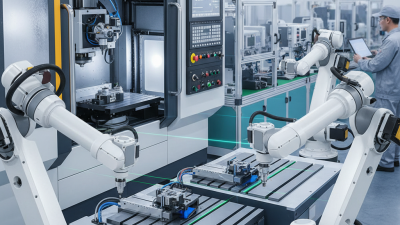
Stepper drives play a vital role in the evolution of automation and robotics. They provide precise control over motion, making them indispensable in various applications. In manufacturing, these drives enhance the efficiency of assembly systems. They offer accurate positioning, which is crucial for tasks like pick-and-place operations. This precision reduces cycle times and improves productivity on the factory floor.
In robotics, stepper drives enable movements that mimic human-like dexterity. They are essential in robotic arms, which are used for tasks ranging from welding to painting. The integration of stepper drives in Industry 4.0 frameworks allows for seamless communication and data exchange between devices. However, the challenge lies in ensuring compatibility with existing systems. Maintenance and calibration of stepper drives can require dedicated knowledge and experience, which can be a barrier for some users.
As we embrace these technologies, it's important to recognize areas needing improvement. Reliability during high-demand operations remains a concern. Understanding the limitations of stepper drives can inform better designs and applications. Continuous research into enhancing their capabilities will drive innovation in automation and robotics. Addressing these concerns will shape the future of stepper drive technology.
2026 Top Trends in Stepper Drive Technology for Automation and Robotics



 Daniel.Ding
 Ding
Ding