Exploring the Advantages of Hybrid Stepper Motor Technology in China
The rise of Hybrid Stepper Motors is transforming the manufacturing landscape in China. Industry reports indicate that the market for these motors is expected to grow at a compound annual growth rate (CAGR) of over 8% by 2025. This growth reflects a shift toward automation and precision in various sectors, including robotics, CNC machines, and medical equipment.
Experts highlight the benefits of Hybrid Stepper Motors, which combine the best features of both stepper and servo motors. Dr. Li Wei, a renowned industry expert, emphasizes that "Hybrid Stepper Motors offer unmatched accuracy and efficiency." His insights underline the importance of this technology in enhancing operational performance.
Despite these advantages, companies must carefully consider their specific needs. Not all applications may require the precision that Hybrid Stepper Motors provide. Balancing cost and performance is crucial for manufacturers. Adopting this technology can represent a significant investment, one that warrants thorough evaluation and reflection.
The Rise of Hybrid Stepper Motor Technology in China's Manufacturing Sector
Hybrid stepper motor technology is gaining traction in China's manufacturing sector. This growth is attributed to its unique advantages over traditional motors. Hybrid stepper motors combine the features of both
permanent magnet and variable reluctance stepper motors. This results in improved torque and better performance in precision applications.
Manufacturers in China are embracing this technology for its efficiency and versatility. Hybrid stepper motors are often used in robotics, automation, and CNC machines. They provide high accuracy and responsiveness, essential for competitive manufacturing. However, some manufacturers face challenges during the integration process. Adapting existing systems to accommodate hybrid technology can be difficult, requiring investment in new training and equipment.
Despite these hurdles, the benefits are clear. Hybrid stepper motors can reduce energy consumption and increase production rates. Companies report improvements in operational efficiency and product quality. As the sector evolves, understanding the intricacies of this technology is crucial for long-term success. Embracing hybrid stepper motors may reflect broader trends in innovation within China's manufacturing landscape.
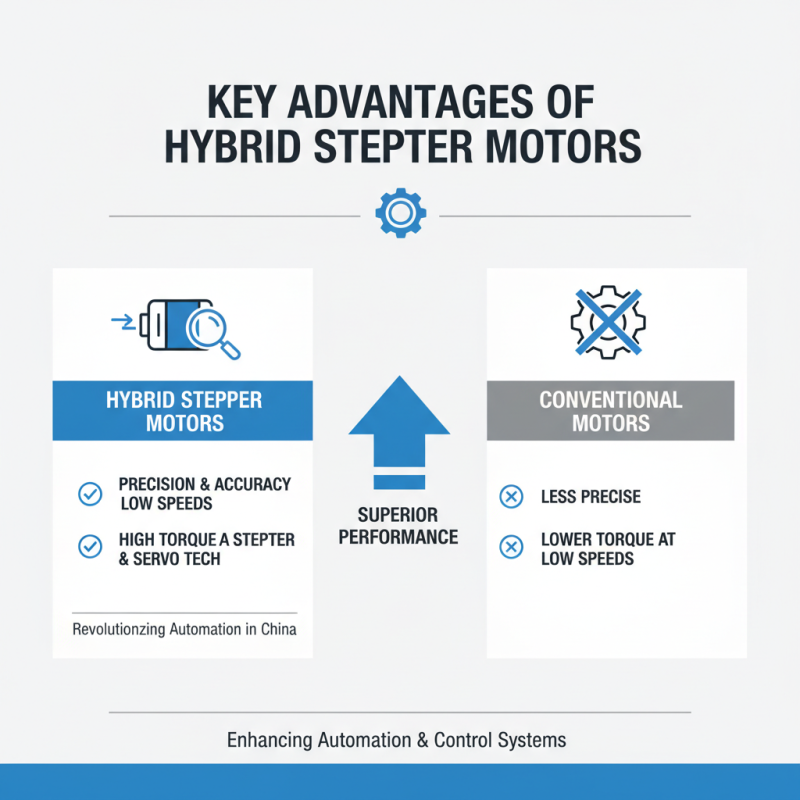
Key Advantages of Hybrid Stepper Motors Over Conventional Motors
Hybrid stepper motors are revolutionizing automation and control systems in China. They combine characteristics of both stepper motors and servo motors. This unique blend gives them significant advantages over conventional motors. One main benefit is their precision. Hybrid stepper motors offer high torque at low speeds, which is essential for applications requiring accuracy.
Another key advantage lies in their efficiency. Hybrid stepper motors consume less energy compared to traditional motors. This reduction in energy usage can lead to lower operational costs. Moreover, they produce less heat, which enhances the lifespan of the motor and the system it powers. However, not every application requires such advanced features. In certain scenarios, conventional motors may still prove simpler and more cost-effective.
Noise levels are another aspect worth discussing. Hybrid stepper motors can operate quietly, making them suitable for environments where noise reduction is crucial. Still, users must assess whether the benefits justify the investment. Each application has unique requirements, and the choice should align with those specific needs. Balancing performance, efficiency, and cost is vital in selecting the right motor technology.
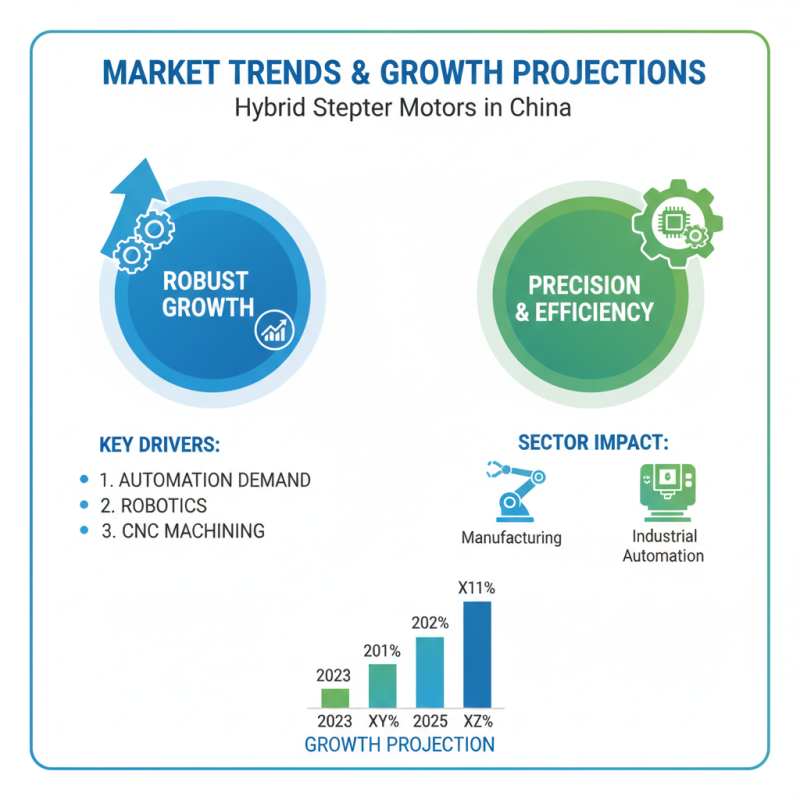
Market Trends and Growth Projections for Hybrid Stepper Motors in China
China's hybrid stepper motor market is experiencing robust growth. The increasing demand for automation in manufacturing drives this trend. Industries such as robotics and CNC machining are key players. These motors provide precise control and efficiency, appealing to many manufacturers.
As companies focus on cost reduction, hybrid stepper motors offer a viable alternative. They combine features of both stepper and servo motors, balancing performance and affordability. The rise of smart manufacturing in China enhances this appeal. However, challenges remain. Not all applications benefit equally from hybrid technology. Proper assessment is crucial.
Experts suggest the need for adaptation in design and manufacturing processes. As technology evolves, so do user requirements. Companies must address these gaps to stay competitive. Embracing innovation while being mindful of existing technology is a complex but necessary journey.
Applications of Hybrid Stepper Motors in Automation and Robotics
Hybrid stepper motors are gaining traction in industries across China, particularly in automation and robotics. These motors combine the advantages of both stepper and servo motors, offering precise control and superior torque at low speeds. According to a 2022 report by ResearchAndMarkets, the Chinese hybrid stepper motor market is projected to grow at a CAGR of 8.3% until 2026. This growth is largely driven by demand in sectors like manufacturing, pharmaceuticals, and advanced robotics.
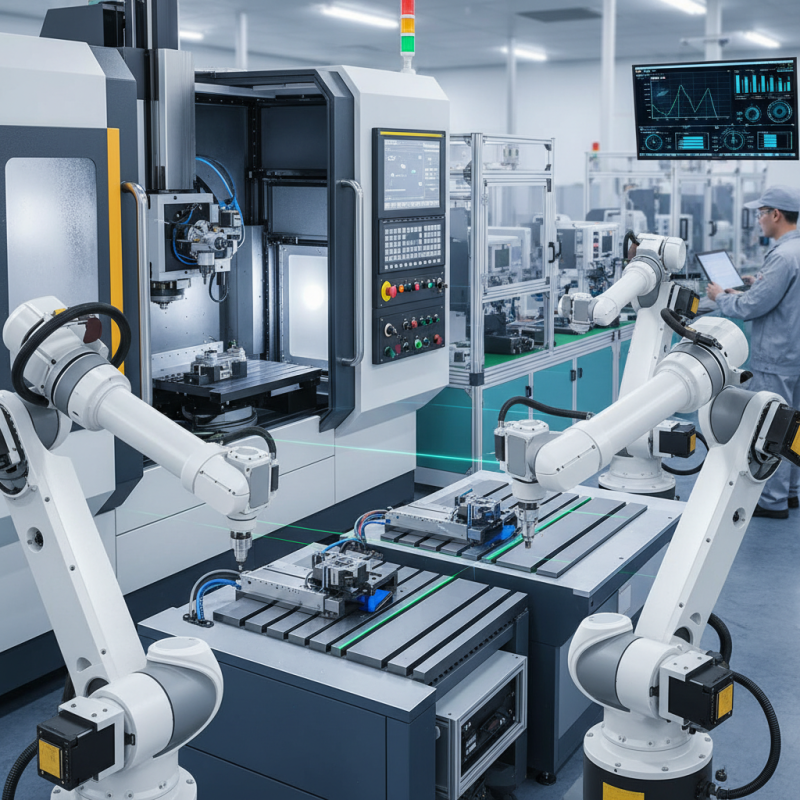
In automation, hybrid stepper motors are crucial for precise positioning in CNC machines and 3D printers. Their capability to maintain torque without a feedback system makes them ideal for applications requiring high accuracy. In robotics, these motors enable smooth movement for robotic arms, enhancing their functionality. As industries adopt smart manufacturing practices, the demand for reliable motion control solutions is skyrocketing.
**Tip:** When selecting a hybrid stepper motor, consider the specific torque requirements for your application. This can impact overall system efficiency and performance.
Despite their advantages, hybrid stepper motors are not without challenges. They can lose steps under heavy loads, leading to inaccuracies. Regular calibration and monitoring are essential to ensure optimal performance. It's vital to weigh the benefits against potential limitations to make informed decisions.
**Tip:** Implementing a feedback system could improve precision in demanding tasks. It’s worth the investment to avoid costly errors in production processes.
Challenges and Future Potential of Hybrid Stepper Motor Adoption in China
Hybrid stepper motors are gaining traction in China for various applications. They combine the strengths of stepper motors and servos. This technology enables precise control and efficiency, appealing to manufacturers. However, challenges remain in widespread adoption.
The complexity of hybrid stepper systems can be daunting for engineers. According to the China Robotics Industry Alliance, around 30% of potential users find integration challenging. Older machinery may require significant retrofitting. This complexity can deter companies from investing.
Furthermore, initial costs are higher for hybrid systems. A report from the China Machinery Industry Federation noted that up to 20% of companies hesitate due to budget constraints. Despite these challenges, the potential for improved performance is clear. As manufacturers adapt, hybrid stepper motors could revolutionize automation in China. The journey requires careful planning and collaboration among industry players.




 Daniel.Ding
 Ding
Ding