Best Hybrid Stepper Motor for Your Automation Needs?
In the world of automation, finding the best hybrid stepper motor can significantly enhance machinery performance. Renowned expert Dr. Emily Carter, a leader in automation technology, once stated, "Choosing the right hybrid stepper motor can make or break your automation strategy." This emphasizes the importance of understanding specific needs when selecting a motor.
Hybrid stepper motors combine the best features of both permanent magnet and variable reluctance motors. They offer improved torque and precision. Yet, not every hybrid stepper motor is suitable for every application. Users often face challenges, such as determining the right specifications and configurations that align with their systems.
With many options available, navigating this market can feel overwhelming. Factors like torque ratings, step resolution, and size are crucial. A mismatch in any of these can lead to suboptimal performance. Users should reflect on their current systems and expected outcomes. There’s much to learn from utilizing hybrid stepper motors effectively. As the industry evolves, staying informed is key to successful automation.
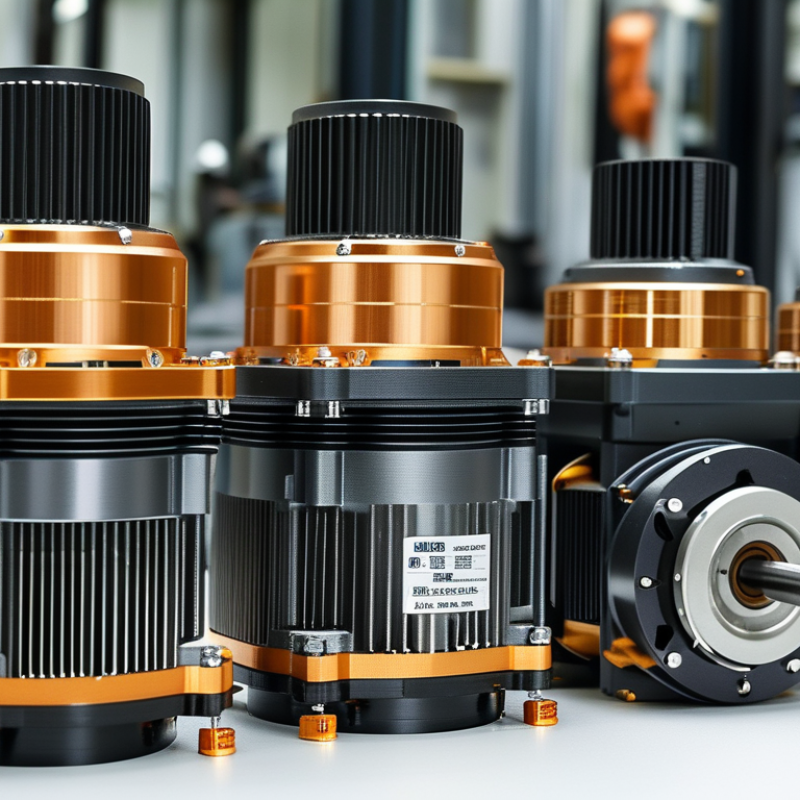
Understanding Hybrid Stepper Motors and Their Applications
Hybrid stepper motors combine the best features of permanent magnet (PM) and variable reluctance (VR) motors. They offer high torque at low speeds and excellent precision, which is essential for automation applications. According to industry reports, the global stepper motor market is projected to reach $3.7 billion by 2026, driven by the increasing demand for automation across various sectors.
Understanding these motors is crucial for optimizing performance in diverse applications, such as 3D printing and robotics. They excel in environments requiring precise control and repeatability. A report by MarketsandMarkets indicates that the use of hybrid stepper motors is rising due to their efficiency and ability to handle complex movements. However, there are challenges. For instance, resonance can affect performance at certain speeds. This limitation requires careful consideration in system design.
The hybrid stepper motor operates on the principle of electromagnetic induction. It features a rotor with permanent magnets and multiple windings. Users must recognize the trade-offs involved. While these motors offer substantial torque, they can also generate heat during prolonged operation. This heat can lead to performance degradation and should not be overlooked in a design. The need for proper cooling mechanisms is paramount, as it can significantly enhance reliability and longevity.
Key Features of Hybrid Stepper Motors for Automation
Hybrid stepper motors are gaining popularity in automation due to their unique benefits. These motors combine the features of permanent magnet stepper motors and variable reluctance stepper motors. This fusion leads to better torque characteristics and smoother motion. According to a 2022 report by MarketsandMarkets, the hybrid stepper motor market is projected to grow at a CAGR of 6.5% from 2023 to 2028. This growth reflects the rising demand for automation in industries like robotics and CNC machinery.
One key feature of hybrid stepper motors is their high precision. They can achieve step angles as small as 1.8 degrees, allowing for fine control of movement. This precision is essential in applications where accuracy is critical. Additionally, hybrid stepper motors are more energy-efficient than traditional motors. Research indicates that they consume up to 30% less energy, which is appealing in high-volume automation settings. However, this efficiency depends on optimal setup and usage conditions, which can vary across applications.
Another notable aspect is their robust performance across different temperatures. Hybrid stepper motors operate effectively in environments ranging from -20°C to 50°C. This flexibility is valuable, but it also means that environmental factors can impact reliability. Users must monitor conditions closely to avoid issues. In conclusion, hybrid stepper motors are versatile options for automation, but understanding their limitations is crucial for achieving desired outcomes.
Choosing the Right Hybrid Stepper Motor for Your Needs
When choosing a hybrid stepper motor for automation, understanding your specific application is crucial. Hybrid stepper motors combine features of permanent magnet and variable reluctance motors. They deliver high torque at low speeds and maintain high precision. According to industry reports, the global stepper motor market is projected to grow significantly, driven by advancements in automation technology.
Consider key factors like torque requirements, step angle, and drive capability. Ensure the motor can handle the load conditions specific to your application. A torque margin can enhance performance, especially in dynamic environments. Not all motors are rated the same, and some may not perform as intended under varying conditions.
Tips: Evaluate your system's requirements. Ensure that the motor you choose matches the operational speed and step resolution needed for accuracy. Overestimating capacity can lead to inefficiencies and increased operational costs. Another suggestion is to consult technical experts whenever possible, especially for complex applications. Having a reliable source of information can reduce the risk of poor decision-making.
Best Hybrid Stepper Motor for Your Automation Needs?
| Model |
Holding Torque (Ncm) |
Step Angle (°) |
Rated Current (A) |
Voltage (V) |
Length (mm) |
| Model A |
3.0 |
1.8 |
2.0 |
24 |
50 |
| Model B |
4.5 |
1.8 |
1.5 |
12 |
60 |
| Model C |
2.5 |
0.9 |
2.5 |
36 |
40 |
| Model D |
3.2 |
1.8 |
2.0 |
48 |
55 |
| Model E |
6.0 |
1.8 |
2.0 |
24 |
70 |
Top Hybrid Stepper Motor Brands and Models to Consider
When considering hybrid stepper motors, it's essential to identify leading brands and models that meet your specific automation requirements. Recent industry reports indicate that hybrid stepper motors offer a blend of the reliability of traditional stepper motors and the dynamic performance of servo motors. These motors typically provide higher torque and better acceleration compared to their purely stepper counterparts.
The market reveals a variety of brands recognized for their quality. One key model type highlighted in research from the Motion Control Association offers exceptional precision and reliability, crucial for applications in robotics and CNC machinery. These models are increasingly used thanks to their cost-efficiency coupled with high performance. However, some users report challenges with heat dissipation and noise, which can affect long-term performance in critical applications.
Another report from the International Journal of Advanced Manufacturing Technology emphasizes the importance of torque characteristics. Choosing an improper model without consideration could lead to performance issues. Understanding the torque curves and operating limits of each model is crucial for effective implementation. While there are many options, a thorough evaluation of both capabilities and user feedback will lead to better results in automation projects.
Maintenance Tips for Optimal Performance of Hybrid Stepper Motors
Hybrid stepper motors are a vital component in many automation systems. Their performance largely depends on regular maintenance. Optimal performance requires understanding how to care for these motors.
First, ensure proper alignment during installation. Misalignment can cause excessive wear. Regularly check the motor for any signs of vibration. This can indicate a mechanical issue or misalignment. Also, keep the motor clean. Dust and debris can hinder performance and lead to overheating.
Lubrication is crucial but often overlooked. Use appropriate lubricants and avoid over-lubricating. Too much can seep into the windings, causing damage. Monitor the operating temperature. High temperatures can decrease efficiency and lifespan. Keep an eye on wiring and connections. Loose or frayed wires can lead to failures. Regular inspections can prevent major issues.
Performance Comparison of Hybrid Stepper Motors
This chart illustrates the performance of three different hybrid stepper motors across four key metrics: Torque (in Nm), Speed (in RPM), Accuracy (in %), and Power Consumption (in W). Comparing these metrics can help you select the best hybrid stepper motor for your automation needs.






 Daniel.Ding
 Ding
Ding