China Best Hybrid Stepper Motor for Global Buyers Needs?
In the realm of advanced motion control, the Hybrid Stepper Motor stands out. These motors balance precision and efficiency, making them essential in various industries. Global buyers are increasingly seeking high-quality Hybrid Stepper Motors from China, renowned for their engineering expertise.
Chinese manufacturers have gained a reputation for producing reliable Hybrid Stepper Motors. They incorporate cutting-edge technology with rigorous testing standards. However, potential buyers should remain cautious. Not all products meet the same level of quality. It’s important to research and choose vendors with proven records.
Understanding the unique requirements of your application is crucial. Whether for robotics, CNC machines, or automation, each system demands specific motor characteristics. A lack of clear specifications can lead to challenges. Evaluating motor features, such as torque, stepping angle, and drive type, enhances decision-making. Ultimately, selecting the right Hybrid Stepper Motor requires thoughtful consideration and diligence.
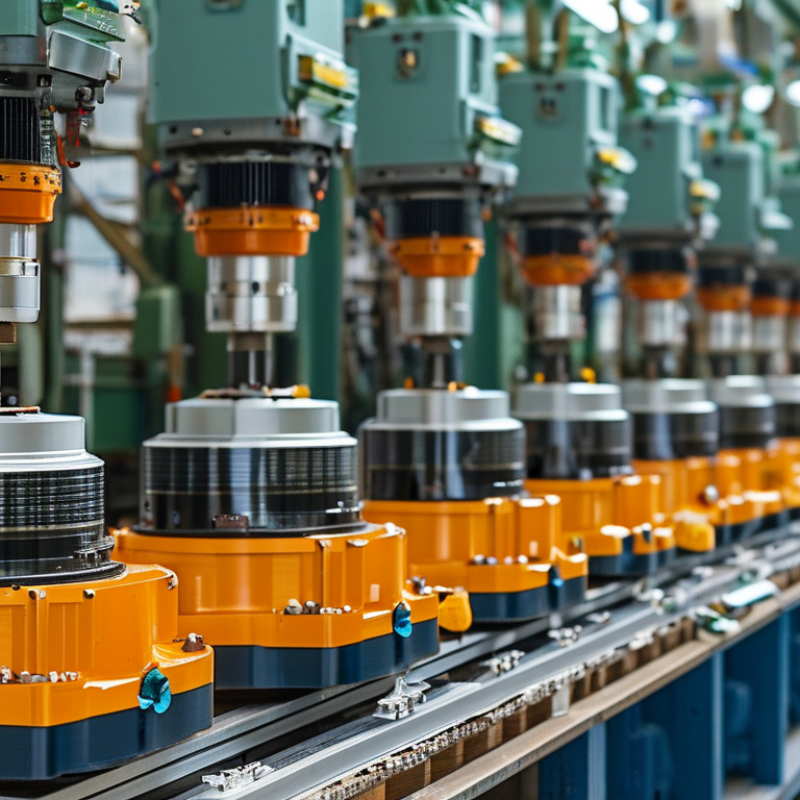
Understanding the Basics of Hybrid Stepper Motors
Hybrid stepper motors are essential in various applications, from robotics to 3D printing. These motors combine the best features of traditional stepper and servo motors. They offer precise control while providing better torque at higher speeds. Understanding their operation is crucial for effective use in engineering projects.
At their core, hybrid stepper motors operate using two main components: a permanent magnet rotor and an electromagnetic stator. This design enables them to achieve excellent torque and resolution. The motor steps can be controlled with high accuracy, making them suitable for tasks that require meticulous movements. It’s crucial to ensure proper driver selection to maximize their performance.
Despite their advantages, hybrid stepper motors can be challenging to implement. Users need to be aware of the nuances in their operation. For instance, resonance issues may arise at certain speeds, affecting overall performance. Careful consideration of application requirements is essential to avoid such pitfalls. Understanding these motors allows buyers to make informed decisions that align with their system needs.
Key Features of China's Best Hybrid Stepper Motors
China has established itself as a leader in hybrid stepper motor manufacturing. These motors combine features from both stepper and servo motors, making them versatile in various applications. According to industry reports, the global stepper motor market size is projected to reach $5.9 billion by 2026, growing at a CAGR of 6.2%. This growth indicates a rising demand that Chinese manufacturers are well-positioned to meet.
Key features of China’s top hybrid stepper motors include high torque performance and precise positioning capabilities. These motors operate efficiently within a wide range of speeds. They are favored in automation and robotics for their reliability. Data from a recent market analysis shows that over 30% of manufacturers prefer stepper motors for applications requiring high accuracy. However, some motors struggle with thermal management, leading to performance issues during extended use.
Another notable aspect is their adaptability. Hybrid stepper motors can be customized to fit specific industry needs, from medical devices to textile machinery. This flexibility often comes with a trade-off in complexity. Users report occasional difficulties with programming and integration into existing systems. As demand grows, ongoing innovation in China aims to address these challenges. Manufacturers are focusing on enhancing user experience while maintaining high performance. This combination of features and challenges makes hybrid stepper motors a focal point in industrial applications.
Market Trends and Demand for Hybrid Stepper Motors Globally
The global demand for hybrid stepper motors is rising steadily. Industries require precise control and efficiency. Manufacturing, robotics, and 3D printing are key sectors driving this trend. These motors combine the benefits of servo and stepper technology. They offer high torque, precise positioning, and reliability. As automation expands, so does the necessity for such motors.
Market trends indicate a growing interest in energy-efficient solutions. Buyers seek motors that consume less power while maintaining performance. Cost-effectiveness is crucial for businesses facing budget constraints. Additionally, the challenge lies in sourcing high-quality parts globally. Not all suppliers meet quality standards, leading to potential performance issues. Companies must carefully evaluate their options.
International collaborations are becoming more common in this sector. Buyers are exploring partnerships with manufacturers from various regions. Such relationships can enhance innovation and access to advanced technologies. However, communication barriers and differing regulations can complicate these efforts. Navigating this landscape requires expertise and adaptability.
China Best Hybrid Stepper Motor for Global Buyers Needs
| Region |
Market Demand (Units) |
Growth Rate (%) |
Key Applications |
Trends |
| North America |
1,200,000 |
5.1 |
Robotics, CNC Machines |
Increasing automation in manufacturing |
| Europe |
900,000 |
4.8 |
Medical Equipment, Textile Machinery |
Shift towards energy-efficient solutions |
| Asia Pacific |
2,000,000 |
6.5 |
Electronics, Automotive |
Rapid industrialization and urbanization |
| Latin America |
500,000 |
3.2 |
Food Processing, Packaging |
Growing demand for automation |
| Middle East & Africa |
300,000 |
4.0 |
Mining, Construction |
Investment in infrastructure projects |
Advantages of Sourcing Hybrid Stepper Motors from China
Sourcing hybrid stepper motors from China offers distinct advantages for global buyers. One key benefit is cost-effectiveness. China’s manufacturing processes are efficient, leading to lower production costs. This allows buyers to access high-quality motors without breaking the bank. Additionally, the vast supply chain ecosystem in China ensures that components are readily available. This efficiency can significantly shorten lead times.
The variety of options in hybrid stepper motors is another advantage. With numerous manufacturers, buyers can find a wide range of specifications that meet their unique project needs. However, it’s important to pay attention to quality control. Not every manufacturer adheres to the same standards. Performing due diligence is crucial to avoid pitfalls. Some products may not meet typical industry benchmarks, causing frustration in the long run. It's essential to ask for certifications and verify the technical specifications before making decisions.
Lastly, working with Chinese suppliers allows for flexibility in custom design options. Many manufacturers are open to adjustments based on specific requirements. This can be invaluable for projects with unique constraints. However, potential language barriers may complicate communication. Clear dialogues are necessary to ensure that expectations are aligned. Establishing strong relationships with these suppliers can mitigate risks and enhance reliability in sourcing hybrid stepper motors.
Selecting the Right Supplier for Hybrid Stepper Motors in China
When you're considering hybrid stepper motors in China, choosing the right supplier is crucial. Many manufacturers promise high quality, but not all can deliver. Look for suppliers with proven expertise and a solid track record. They should have extensive experience in the industry, ensuring they understand your specific requirements and applications.
Assessing a supplier's reliability involves checking their certifications and product testing procedures. Quality control is vital. A reputable supplier will provide detailed reports on their manufacturing process, ensuring consistent performance. Look for factories that conduct regular inspections and adhere to international standards.
Communication is another key factor. You want a supplier who is responsive and willing to share information. Ask for case studies or references from previous clients. This transparency indicates professionalism and a commitment to customer satisfaction. Establishing a good relationship can also lead to improvements over time, fostering collaboration on future projects. Reflect on the values these suppliers uphold, as they often reflect their business practices.





 Daniel.Ding
 Ding
Ding