10 Best Hybrid Stepper Motors for Precision Motion Control?
In the realm of precision motion control, the Hybrid Stepper Motor stands out for its unique combination of accuracy and efficiency. Used widely in industrial automation, robotics, and medical devices, these motors play a crucial role in applications requiring precise positioning. Their design merges the benefits of stepper and servo motors, delivering reliable performance with minimal backlash.
Choosing the best hybrid stepper motor can be a daunting task. With various brands and specifications available, it's essential to evaluate their features carefully. Factors such as torque, speed, and control options significantly impact their functionality. It's important to consider how these elements align with your project's specific needs.
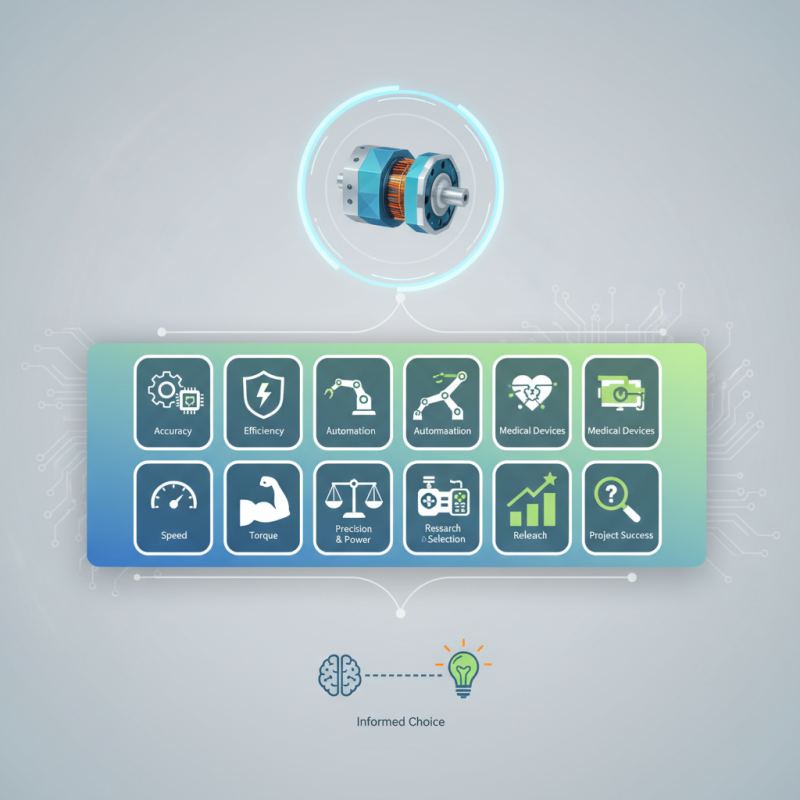
Furthermore, while the advantages are clear, challenges exist. Selecting a motor that balances precision and power can be tricky. Some motors may excel in discreet applications but underperform in continuous operation. As you delve into the world of hybrid steppers, reflect on your requirements. Thorough research ensures you make an informed choice, ultimately enhancing your project's success.
Introduction to Hybrid Stepper Motors
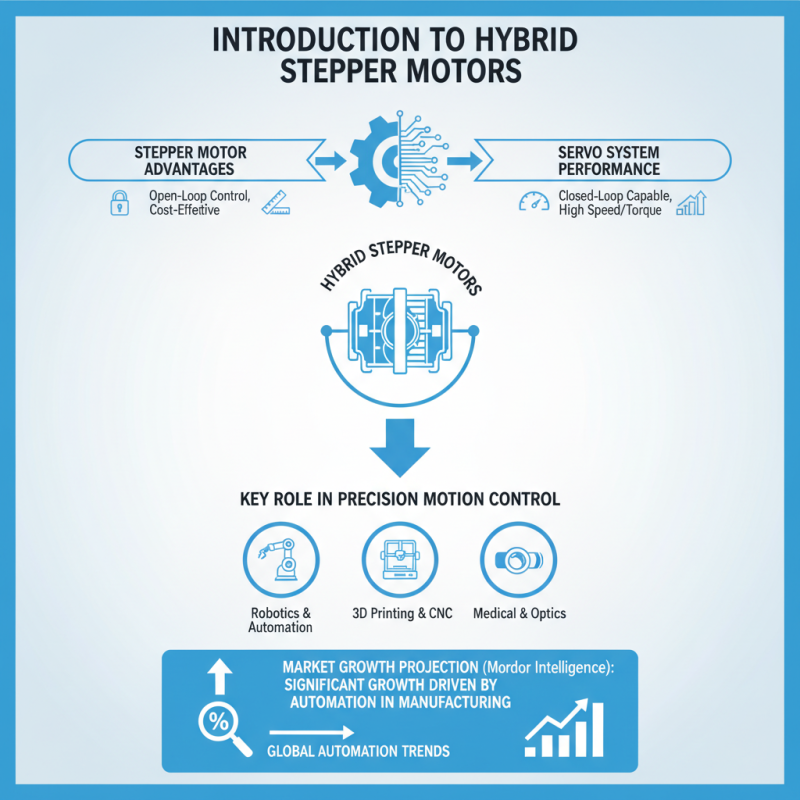
Hybrid stepper motors play a crucial role in precision motion control across various industries. These motors offer a blend of the stepper motor's advantages and the performance of servo systems. According to industry research by Mordor Intelligence, the market for hybrid stepper motors is projected to grow significantly, driven by increasing automation in manufacturing processes.
One key feature of hybrid stepper motors is their ability to provide precise positioning and speed control. They achieve this through a combination of multiple winding-driven coils and a permanent magnet rotor. The result is consistent torque at low speeds, making them ideal for applications in robotics and CNC machinery. However, these motors can also exhibit issues such as resonance at certain speeds, which requires careful tuning and adjustment in practical applications.
Interestingly, as the demand for automation rises, the importance of reliability in hybrid stepper motors cannot be overstated. According to a report from ResearchAndMarkets.com, the need for improved energy efficiency and lifespan is critical for increasing overall system performance. Hybrid stepper motors, when optimized, can offer significant advantages, but they still require ongoing evaluation to address performance variability and overheating issues. These challenges highlight the need for continuous improvement and innovation in motor design and application.
Key Features of Precision Motion Control in Stepper Motors
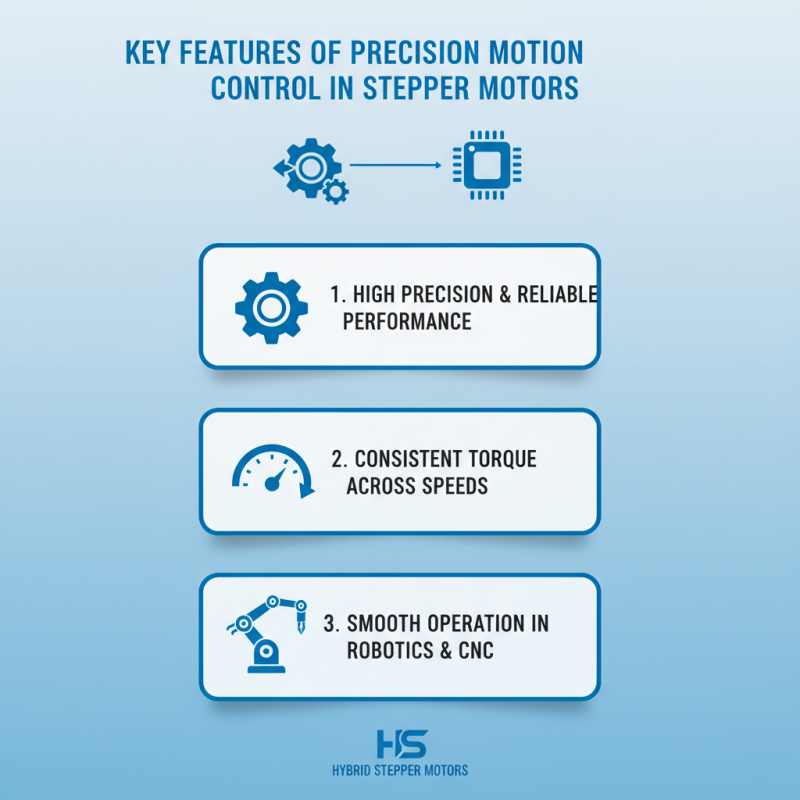
Precision motion control in hybrid stepper motors is crucial for various applications. These motors offer high precision and reliable performance. One important feature is the ability to deliver consistent torque across a range of speeds. This ensures that devices operate smoothly, especially in applications like robotics and CNC machines.
Another key aspect is the seamless integration of feedback systems. This helps in monitoring and adjusting motor performance in real time. By having accurate position feedback, these motors can correct any deviation from the intended path. This enhances their reliability, though achieving perfect alignment can still be a challenge. Cooling mechanisms are also vital, as prolonged use can lead to overheating, affecting performance.
Moreover, hybrid stepper motors are designed to handle varying loads efficiently. Their construction allows for fine adjustments during operation, which is beneficial in delicate tasks. However, users must pay close attention to the load specifications. Exceeding these can lead to unexpected failures. Understanding the limitations of each motor will help in making better choices for specific applications.
Top 10 Hybrid Stepper Motors for Enhanced Performance
In the realm of precision motion control, hybrid stepper motors stand out for their performance. They combine the best features of permanent magnet and variable reluctance motors. These motors excel in applications requiring accurate positioning and high torque at low speeds. According to recent industry reports, hybrid stepper motors offer up to 80% efficiency, significantly minimizing energy consumption compared to traditional motors.
A key aspect of selecting a hybrid stepper motor is performance metrics. Look for step angles as fine as 1.8 degrees, providing precise control. Motors with higher torque ratings will enhance your system's capability. Pay attention to the holding torque specification. It is crucial for maintaining position accuracy during operation. In some cases, the holding torque can impact overall system stability, an aspect often overlooked.
**Tip:** When assessing motors, ensure they fit your application's needs. Not all motors deliver the same performance, even if they are labeled as hybrid.
Thermal management in hybrid stepper motors also requires attention. Operating temperatures can affect motor longevity and precision. Regular monitoring can identify overheating issues. In some designs, improved heat dissipation methods increase reliability.
**Tip:** Implementing thermal sensors can help manage heat effectively, ensuring optimal motor performance.
By focusing on these factors, users can choose hybrid stepper motors that provide enhanced performance without compromising reliability and accuracy.
10 Best Hybrid Stepper Motors for Precision Motion Control
| Model |
Step Angle (°) |
Holding Torque (Ncm) |
Rated Current (A) |
Weight (kg) |
| Model A |
1.8 |
3.5 |
1.5 |
1.2 |
| Model B |
0.9 |
4.2 |
2.0 |
1.5 |
| Model C |
1.8 |
5.0 |
1.8 |
1.3 |
| Model D |
1.2 |
3.8 |
1.2 |
1.1 |
| Model E |
1.8 |
4.5 |
1.6 |
1.4 |
Comparison of Specifications and Applications
Hybrid stepper motors have gained popularity in precision motion control due to their versatility and performance. These motors efficiently combine the features of DC motors and stepper motors. As a result, they provide superior torque and precise positioning.
When comparing specifications, pay attention to holding torque, step angle, and current ratings. Holding torque indicates the motor's ability to resist movement when powered. For example, high-torque motors often feature a larger frame size, impacting installation space. Step angle affects movement resolution; smaller step angles lead to finer control. Many applications in robotics, CNC machines, and 3D printers utilize these motors for remarkable accuracy.
Tips: When selecting a hybrid stepper motor, analyze the required load and space restrictions. Opt for motors with a lower step angle for enhanced performance in intricate tasks. Be aware that increased torque may lead to overheating if not managed properly.
In applications where motion control is critical, choosing the right specifications is essential. Charts comparing torque and speed for various models can clarify your options. Mistakes can often arise from overlooking thermal management or power supply constraints. Always verify compatibility with your existing systems.
Considerations for Selecting the Right Hybrid Stepper Motor
Choosing the right hybrid stepper motor is vital for precision motion control. Several factors influence this decision. Firstly, torque performance is crucial. According to industry reports, motors with a higher holding torque tend to deliver better performance in applications requiring precise positioning. It's essential to evaluate the torque specifications relative to the intended use.
Another important consideration is the motor's stepping resolution. Higher resolutions allow for finer control, which is critical in applications like 3D printing and CNC machining. Reports suggest that motors with a resolution of 1.8° can achieve microstepping capabilities, enhancing performance significantly.
Additionally, thermal performance should not be overlooked. Stepper motors can overheat, leading to performance drops and potential failures. It's advisable to review thermal ratings and consider cooling mechanisms for optimal operation. While it's tempting to prioritize specifications, it's equally important to evaluate the specific application requirements. A detailed analysis will reveal the right motor without over-complicating choices.
10 Best Hybrid Stepper Motors for Precision Motion Control







 Daniel.Ding
 Ding
Ding