Top 10 Stepper Motor Applications for Global Buyers?
Stepper motors are vital components in various applications across industries. Their unique ability to convert electrical pulses into precise rotational movement makes them indispensable in automation. Many global buyers prioritize understanding their uses to enhance operational efficiency.
From robotics to 3D printers, stepper motors offer precision and reliability. In manufacturing, they drive conveyor belts and control machining tools. However, not all applications utilize them effectively. This opens avenues for improvement and innovation.
Exploring the top applications of stepper motors reveals a landscape filled with opportunities and challenges. Each application demands specific performance characteristics. This guide will highlight key sectors leveraging stepper motors while addressing common pitfalls that buyers should consider. The information aims to enhance decision-making for users at all levels.
The Role of Stepper Motors in Robotics and Automation Industries
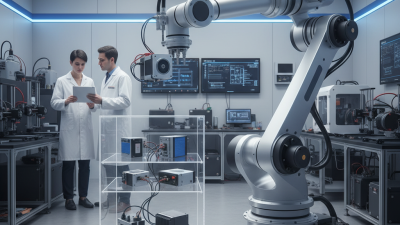
Stepper motors play a crucial role in the robotics and automation industries. These motors are essential for precise control of movement. Robotics applications often require accurate positioning. Stepper motors provide this through discrete steps, offering high repeatability and reliability.
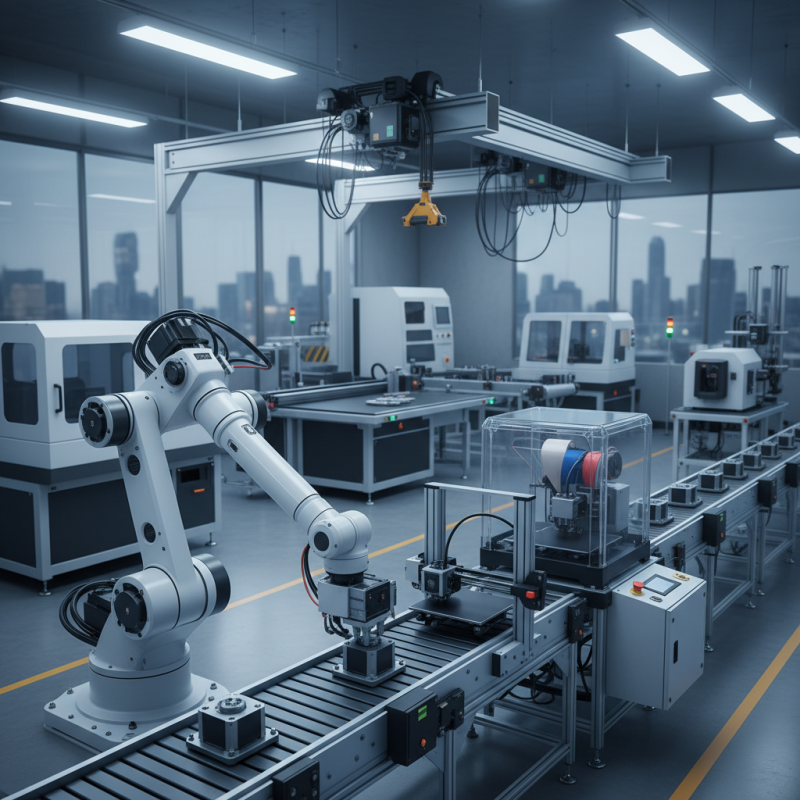
In automation, stepper motors drive various equipment. They are used in 3D printers, CNC machines, and robotic arms. This versatility stems from their ability to operate in closed-loop systems. However, not all applications perfectly suit stepper motors. Challenges such as heat dissipation and limited torque at high speeds must be addressed.
Moreover, there’s ongoing debate about their efficiency compared to other motor types. Users must carefully analyze the specific needs of their applications. A deep understanding of stepper motor capabilities is essential for optimized performance. As industries evolve, so will the roles of these motors in enhancing automation processes.
Top 10 Stepper Motor Applications
Stepper Motors in 3D Printing: Enhancing Precision and Performance
Stepper motors play a crucial role in 3D printing, offering high precision and reliable performance. These motors convert electrical pulses into precise mechanical movements. This capability is essential for achieving the intricate details in 3D printed objects. With the ability to control position and speed accurately, stepper motors enable printers to create complex geometries. As a result, quality in additive manufacturing has significantly improved.
However, there are challenges. Not all stepper motors are created equal. Some may struggle with overheating during prolonged use. This can impact the print quality and lead to mechanical failures. Moreover, the selection of the right motor is vital. Factors such as torque and displacement need careful evaluation. Neglecting these may result in underwhelming performance.
Users often overlook maintenance, which is critical for sustained efficiency. Regular checks can prevent the wear of components. Yet, many operators may not implement a structured maintenance routine. This can reduce the motor's overall lifespan. Identifying these issues early can help maintain consistent printing standards. In the fast-evolving world of 3D printing, understanding the capabilities and limitations of stepper motors is key for success.
Applications of Stepper Motors in Medical Equipment and Devices
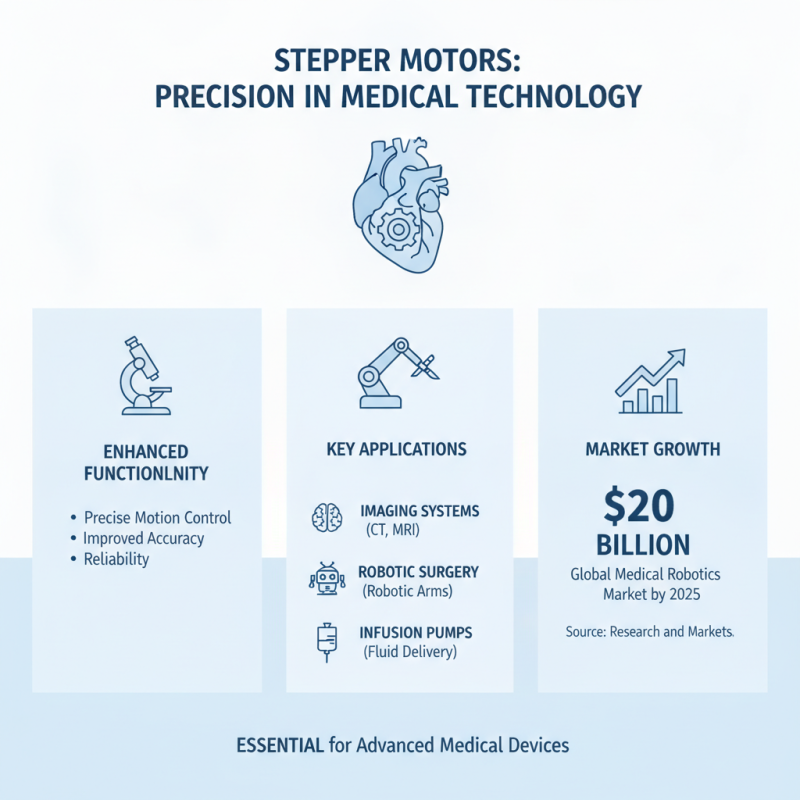
Stepper motors play a crucial role in medical equipment and devices. Their precise control enhances functionality in various applications, including imaging systems, robotic surgical tools, and infusion pumps. According to a report from Research and Markets, the global medical robotics market is projected to reach $20 billion by 2025. Stepper motors are essential for achieving the accuracy and reliability needed in these advanced devices.
In imaging systems, stepper motors help align components with exact precision. CT and MRI machines rely on these motors to ensure that scanners operate smoothly. This precision reduces the risk of errors and improves diagnosis outcomes. Research indicates that systems using stepper motors experience a 35% improvement in performance efficiency.
Robotic surgical tools also benefit significantly from stepper motor technology. These motors enable fine movements during procedures. Surgeons can perform complex tasks with greater control, reducing recovery times for patients. However, challenges remain. For instance, ensuring the longevity of these motors under constant use requires careful engineering and testing. Addressing these issues will be vital as the demand for high-performance medical devices grows.
Utilizing Stepper Motors for CNC Machinery and Manufacturing Automation
Step motors play a critical role in modern CNC machinery and manufacturing automation. They provide precise control over position and speed, which is essential for high-quality machining processes. According to a report by Mordor Intelligence, the stepper motor market is projected to grow at a CAGR of 6.9% from 2021 to 2026. This growth is driven by the increasing adoption of automation in industries.
In CNC machinery, stepper motors enable accurate and repeatable movements. This capability allows manufacturers to produce complex parts with tight tolerances. For instance, a stepper motor can precisely rotate a spindle to micrometer precision. However, the performance of these motors can be influenced by factors like load inertia and acceleration rates. Improper setup can lead to missed steps and a decline in performance.
Manufacturing automation relies heavily on stepper motors for tasks like material handling and robotic arms. These applications require robust motors that can maintain efficiency and reliability. The integration of stepper motors within automated systems can lead to improved productivity. Yet, it's crucial to continuously optimize system parameters to avoid common pitfalls. Regular analysis is necessary to ensure machines operate at peak performance.
Stepper Motors in Consumer Electronics: Trends and Market Data Insights
Stepper motors are gaining popularity in consumer electronics. Their precise control makes them ideal for a variety of applications. From printers to cameras, they drive innovation by improving performance. The growing demand is evident in market data, reflecting a shift toward more automated solutions.
Tips: When choosing a stepper motor, consider its torque ratings. Ensure it aligns with the application needs. An incompatible motor may lead to inefficiencies or failures.
The trend towards smaller, more efficient stepper motors is notable. Manufacturers are focusing on miniaturization to fit compact devices. As products shrink, so do the motors, leading to less space but more power.
Tips: Research the latest technology trends in stepper motors. Staying updated can help you choose the best options. In a rapidly evolving market, timely knowledge can make a significant difference.






 Daniel.Ding
 Ding
Ding