Top 10 Benefits of Using Hybrid Stepper Motors for Your Business?
In today's rapidly evolving technology landscape, choosing the right motor can make a significant difference in your business operations. The Hybrid Stepper Motor has emerged as a popular choice for various applications. Its unique design combines the features of permanent magnet and variable reluctance stepper motors. This combination enables precise control, excellent torque, and effective power management.
Many industries are increasingly recognizing the value of Hybrid Stepper Motors. These motors provide accurate positioning, crucial for automation and robotics. They are also known for their reliability and low maintenance requirements. However, implementing Hybrid Stepper Motors is not without its challenges. Businesses must consider their specific needs and operational environment. Understanding these factors can lead to more informed decisions.
Making the switch to Hybrid Stepper Motors could revolutionize your business processes. The potential benefits are significant, but they require careful thought and planning. Reflecting on your unique circumstances will help ensure that you reap the full advantages of this technology.
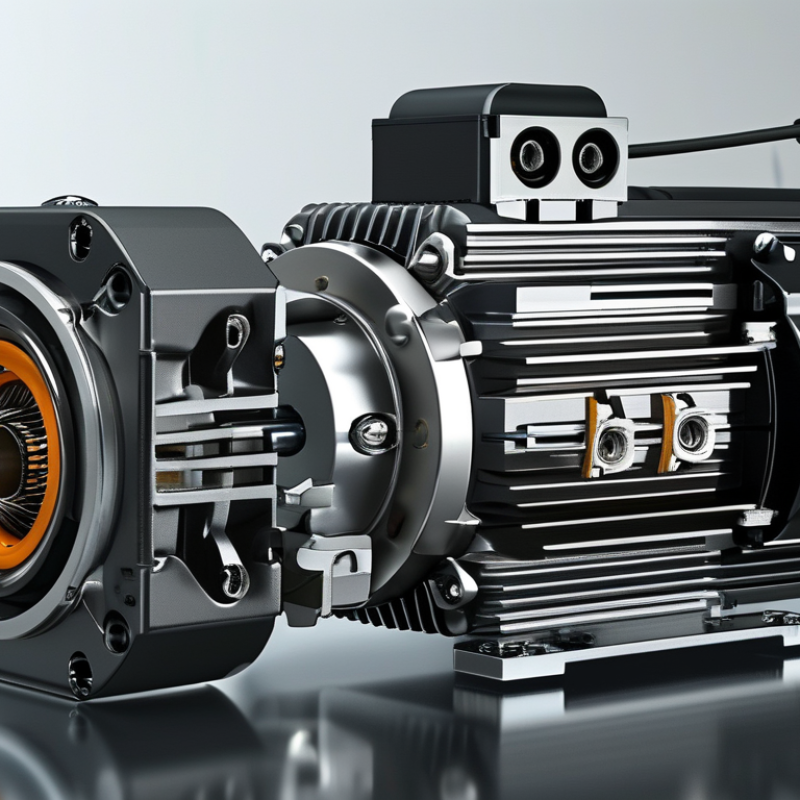
Key Features of Hybrid Stepper Motors for Business Applications
Hybrid stepper motors have gained significant traction in various business applications due to their unique features. These motors combine the precision of traditional stepper motors and the power of DC servo motors. They provide high torque at low speeds, making them suitable for demanding tasks. According to industry reports, nearly 75% of applications requiring precise positioning utilize hybrid stepper motors.
One key feature is their adaptability. They can perform well in both open-loop and closed-loop systems. In a closed-loop setup, they reduce energy consumption by 30% compared to traditional steppers. This efficiency is crucial for businesses looking to lower operational costs without compromising performance. Moreover, hybrid steppers offer high-resolution control. With resolutions of up to 1,600 steps per revolution, they enable businesses to achieve more detailed movements.
However, their reliance on complex control systems can pose challenges. While the benefits are clear, the implementation process may require specialized knowledge. Understanding motor specifications is critical. The nuanced selection of drivers and control systems can influence overall performance. Businesses must weigh these factors carefully. The evolving technology landscape continues to reshape the potential of hybrid stepper motors, enhancing their relevance in modern applications.
Enhanced Precision: How Hybrid Stepper Motors Improve Positioning Accuracy
Hybrid stepper motors are becoming essential in modern industries due to their enhanced precision. These motors combine traits of both stepper and servo motors, allowing for improved positioning accuracy. According to a market study by Research and Markets, the hybrid stepper motor market is expected to grow significantly, driven by their efficiency in various applications. This growth showcases their importance in applications requiring high accuracy, such as CNC machinery and 3D printing.
One notable aspect of hybrid stepper motors is their ability to perform micro-stepping. This process allows for finer movement control, reducing the chances of overshooting a desired position. Studies indicate that micro-stepping can improve torque at low speeds by approximately 30%, enhancing performance. However, the potential complexity in control systems introduces challenges that need careful consideration.
Tip: Regularly calibrating your hybrid stepper motors can further boost their precision and lifespan. This simple maintenance can prevent accuracy drift over time.
Another consideration is power efficiency. Hybrid stepper motors draw less current compared to traditional motors when idle. This efficiency can lead to significant cost savings. However, improper sizing or application can lead to performance bottlenecks. Evaluating load requirements is crucial.
Tip: Before implementing hybrid stepper motors, perform a thorough analysis of your system's demands. This ensures optimal selection and avoidance of future issues.
Top 10 Benefits of Using Hybrid Stepper Motors for Your Business
Energy Efficiency: Cost Savings with Hybrid Stepper Motors in Operations
Energy efficiency is a significant advantage of hybrid stepper motors. These motors combine the best features of both stepper and servo motors. This synergy leads to lower energy consumption during operations. Businesses can save on power costs as these motors optimize energy usage more effectively than traditional counterparts.
Additionally, hybrid stepper motors provide high torque at low speeds. This characteristic allows machines to perform tasks efficiently without excessive energy draw. For example, in automation applications, these motors enable smoother motion control. Such efficiency can lead to an overall reduction in operational costs.
However, transitioning to hybrid stepper motors may pose challenges. Some businesses may need to adjust their existing equipment. Training staff to understand new motor technology can also require time. It's not always easy to maximize efficiency right away. Business leaders should assess their operations carefully. Small adjustments can yield significant cost savings over time.
Versatility in Applications: Industries That Benefit from Hybrid Stepper Motors
Hybrid stepper motors are revolutionizing various industries due to their unique advantages. Manufacturing stands out as a key area. According to a report by Research and Markets, the global stepper motor market is projected to reach $5.9 billion by 2027. These motors provide precise control, which enhances the performance of CNC machines, robotic arms, and 3D printers. They maintain their position even when static, making them ideal for applications requiring high accuracy.
In the medical field, hybrid stepper motors also play a crucial role. Devices like MRI machines and automated drug dispensers benefit from their accuracy and reliability. A study from Grand View Research estimates that the medical automation market will expand, driven by increasing demand for precision instruments. Hybrid stepper motors ensure that sensitive procedures are executed accurately, though challenges in ensuring consistent performance remain.
The packaging industry is another sector leveraging hybrid stepper motors. These motors allow for faster and more efficient production lines. With the rise of e-commerce, demand for automated packaging solutions is surging. However, companies must assess the integration of these motors into existing systems. Understanding the specific requirements of their operations can help mitigate potential issues.
Maintenance and Longevity: Reliability of Hybrid Stepper Motors in Workplaces
Hybrid stepper motors are gaining traction in various workplaces due to their reliability and performance. Their ability to maintain accurate positioning for extended periods is vital in maintaining quality. This reliability reduces the need for frequent replacements, which can be costly and time-consuming. In an industry where every minute counts, the longevity of these motors can significantly enhance productivity.
Moreover, the maintenance of hybrid stepper motors is relatively straightforward. They often require less frequent maintenance compared to traditional motors. This can lead to lower operational costs in the long run. However, some businesses may overlook the need for periodic checks. Regular maintenance can prevent unexpected failures. It allows teams to address minor issues before they become major problems.
In addition, hybrid stepper motors are designed to function under various conditions. They can perform effectively in diverse environments, from automotive to robotics. Yet, the varying circumstances might affect their performance. It’s essential for businesses to assess the operating environment. Understanding these factors can help in making informed decisions about motor selection and usage.



 Daniel.Ding
 Ding
Ding