What is a Stepper System and How Does it Work for Buyers?
In today's rapidly evolving marketplace, understanding a "Stepper System" can significantly benefit buyers. This innovative mechanism translates digital signals into precise movements. It is widely used in various applications, from 3D printers to robotics, enhancing accuracy and efficiency. The uniqueness of a Stepper System lies in its ability to control motion in a way that traditional systems cannot.
Buyers are often overwhelmed by options. Thus, knowing how the Stepper System operates helps in making informed decisions. It consists of stepper motors and drivers, working in sync to ensure smooth transitions. However, it is crucial to recognize that not every system is perfect. Users may encounter software compatibility issues or require specific configurations for optimal performance. Reflecting on these challenges is key to maximizing the benefits of a Stepper System. A thoughtful approach leads to better integration in personal or professional projects. In essence, understanding this technology empowers buyers to leverage its full potential.
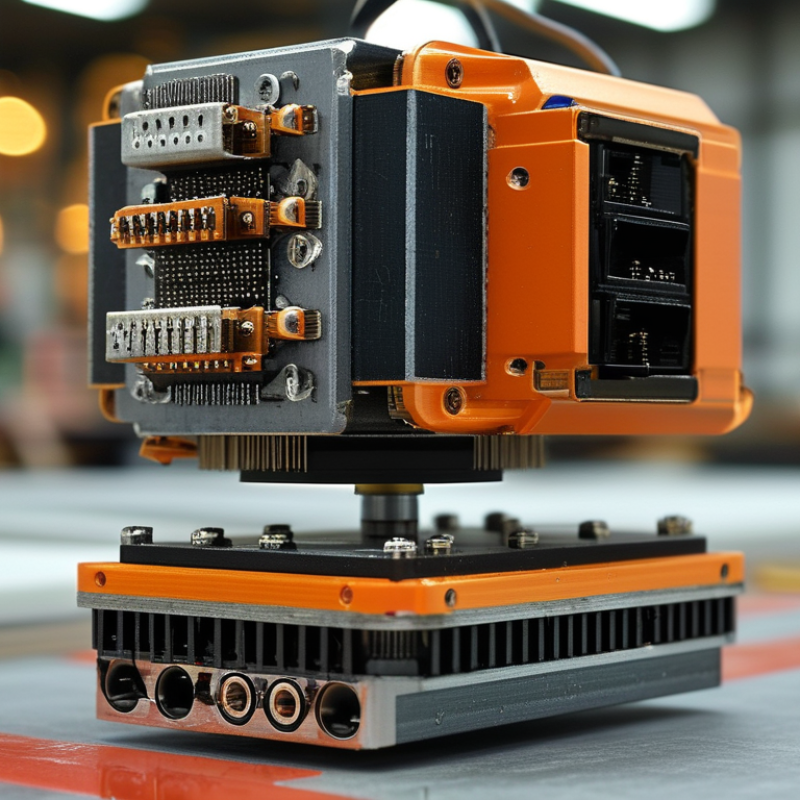
What is a Stepper System?
A Stepper System is a specialized mechanism that enables precise control over motion and position. This system is widely utilized in various industries, including manufacturing and robotics. It operates through a series of electromagnetic coils that are activated in sequence to move a rotor step by step. This controlled movement leads to highly accurate positioning, typically within one step of a few degrees. Industries leveraging these systems report improved operational efficiency, with some noting production speed increases of up to 30%.
When considering a Stepper System, understanding its specifications is crucial. Look for the step angle, torque characteristics, and holding torque ratings. These factors determine how well a system can perform under specific loads. Research from industry reports highlights that systems with lower step angles provide finer resolution, enhancing precision in applications like 3D printing and CNC machinery.
Tips: Ensure compatibility with your existing equipment. Verify the system's performance under real-world conditions. A systematic approach helps in identifying potential issues before implementation. Recognizing that even highly-rated systems can have limitations is important. Regular maintenance and calibration can significantly enhance reliability and performance.
Sales Performance of Stepper Systems Over the Years
Components of a Stepper System Explained
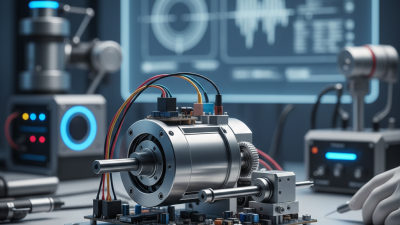
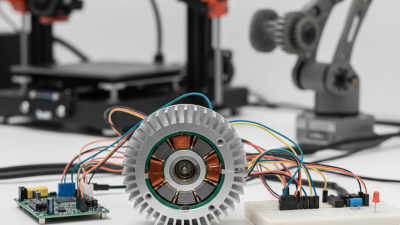
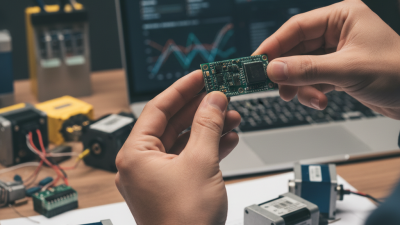
A stepper system consists of several key components that work in tandem to deliver precise movements. The stepper motor is the heart of the system. It converts electrical pulses into mechanical movement. Each pulse moves the motor shaft by a specific angle, allowing for accurate control. This precision is vital for applications like 3D printing, CNC machines, or robotics.
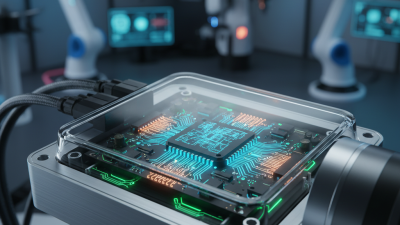
Next, we have the motor driver. It acts as the bridge between the controller and the stepper motor. The driver interprets signals from the controller and sends appropriate power to the motor. It ensures that the motor receives the correct voltage and current. However, choosing the right driver can be tricky. Not all drivers work well with every motor type, and mismatches can lead to inefficiencies.
Another vital component is the control system. This includes a microcontroller or a computer that coordinates the entire operation. It sends commands to the driver based on user input or pre-set programs. A poorly programmed control system can lead to erratic movements, affecting performance. Each component must work harmoniously for the stepper system to operate efficiently. Designers often face challenges in ensuring these components work well together.
How Stepper Systems Enhance Buyer Experience
Stepper systems are transforming the buyer experience by offering seamless transactions and real-time engagement. A report from the E-Commerce Foundation shows that 73% of consumers prefer a smooth purchasing process. This is where stepper systems become essential. They guide users through each phase of their buying journey, ensuring clarity and reducing confusion. By breaking down the steps, these systems keep buyers informed and engaged, ultimately boosting conversion rates.
User-friendly interfaces are a critical aspect of stepper systems. According to the Nielsen Norman Group, users are 90% more likely to complete a purchase with a minimalistic design. These systems can significantly enhance customer satisfaction. However, not all implementations are perfect. Some buyers may feel overwhelmed by too many steps or options. Finding a balance is vital. Buyers appreciate a guided experience, but excessive branching decisions could lead to frustration.
Data from the Baymard Institute indicates that nearly 70% of online shopping carts are abandoned. Effective stepper systems could potentially reduce this number. They can provide relevant prompts and suggestions throughout the buying process. Yet, businesses must continuously analyze user feedback to improve systems. Adapting to changing buyer preferences remains a challenge. This iterative process is essential for enhancing buyer experiences in an ever-evolving marketplace.
Step-by-Step Guide to Using a Stepper System
Using a stepper system can simplify your buying process. This method breaks down complex purchases into manageable phases. Each step focuses on one aspect of the purchase, allowing buyers to make informed decisions. For instance, consider identifying your budget before diving into product comparisons. This step establishes clear expectations.
After setting a budget, research thoroughly. Look into product reviews and expert opinions. This phase helps buyers understand the market better. Try to evaluate multiple options. Don't rush this step; it often reveals critical details. Acknowledging this can prevent later regrets.
Once you narrow your choices, move towards purchase details. Analyze warranties, return policies, and customer service. These elements are often overlooked but are crucial for satisfaction. Engaging in this systematic approach promotes responsibility and helps refine buyer confidence. Remember, the aim is not just a purchase, but a thoughtful investment in quality and reliability.
What is a Stepper System and How Does it Work for Buyers? - Step-by-Step Guide to Using a Stepper System
| Step |
Description |
Benefits |
Tips for Buyers |
| 1 |
Identify Your Needs |
Helps in narrowing down choices. |
Make a list of essential features. |
| 2 |
Research Options |
Gain insight into available products. |
Check reviews and comparisons online. |
| 3 |
Evaluate Features & Pricing |
Understand the value of each option. |
Compare similar products for best deals. |
| 4 |
Make a Decision |
Select the product that fits your needs. |
Trust your instincts based on research. |
| 5 |
Purchase & Follow-Up |
Finalize your purchase and ensure satisfaction. |
Keep receipts and check return policies. |
Common Applications and Benefits of Stepper Systems
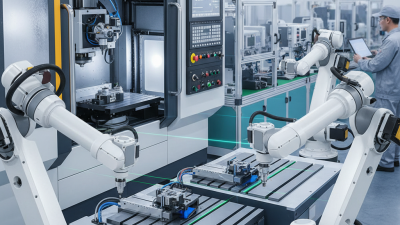
Stepper systems are increasingly recognized for their versatility in various applications. These systems excel in precise control of motion. They are widely used in 3D printers, CNC machines, and robotics. Their ability to divide a full rotation into equal steps makes them ideal for tasks requiring accuracy.
One major benefit of stepper systems is their simplicity. They do not need feedback systems to maintain positioning, which reduces complexity. This makes them cost-effective for manufacturers. However, limited torque at high speeds can be a drawback. Users must carefully consider these limitations in design.
In medical devices, stepper systems provide consistent performance. They enhance the accuracy of dosing systems and lab equipment. Yet, they may also require regular maintenance to function optimally. A miscalculation in specifications can lead to operational failures, emphasizing the need for attention to detail in application design.



 Daniel.Ding
 Ding
Ding