Why Choose a Hybrid Stepper Motor for Your Applications?
In modern automation and robotics, the choice of motor plays a critical role. Experts agree that a Hybrid Stepper Motor stands out among options. Dr. Emily Zhang, a leading authority in motion control, emphasizes, "Hybrid Stepper Motors combine the best of both worlds, offering precision and smooth operation." This statement reflects the growing trend of industries seeking reliable motion solutions.
Hybrid Stepper Motors integrate the principles of stepper and servo motors. Their versatility makes them ideal for numerous applications. From 3D printers to CNC machines, users benefit from their accurate positioning and torque. However, selecting the right motor isn't always straightforward. Engineers must consider various factors like load, speed, and control requirements.
Many organizations still underestimate the potential of a Hybrid Stepper Motor. There can be misconceptions about their performance and efficiency. As technology evolves, so must our understanding of these motors. A reflective exploration of Hybrid Stepper Motors can reveal their true capabilities, ensuring better choices in industrial applications.
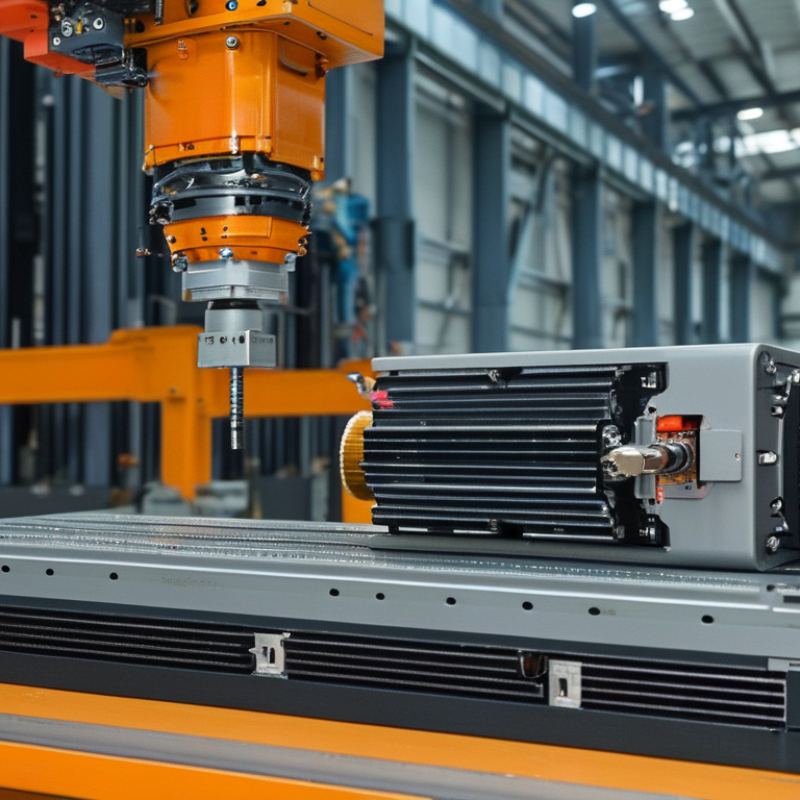
Advantages of Hybrid Stepper Motors Over Other Motor Types
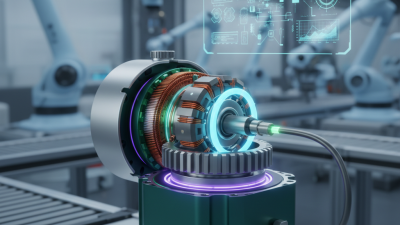
Hybrid stepper motors blend the characteristics of permanent magnet and variable reluctance stepper motors. They offer unique advantages for various applications. One significant benefit is their ability to provide high torque at low speeds. This makes them ideal for tasks that require precision and control. In robotics and CNC machines, for example, high torque ensures accurate movement.
Another key advantage is their superior resolution. Hybrid stepper motors typically have more steps per revolution. This leads to more precise positioning compared to standard stepper motors. The finer steps translate to smoother operation and reduced vibrations. Users can expect enhanced performance in intricate designs, like 3D printers or medical equipment.
Hybrid stepper motors also demonstrate better efficiency. They consume less power while delivering optimal performance, which is crucial in energy-sensitive projects. However, it's essential to consider their complexity. The advanced design can lead to higher upfront costs. Evaluating the specific requirements of your application is essential. Balancing performance with budget constraints will lead to a successful outcome.
High Precision and Resolution Capabilities of Hybrid Stepper Motors
Hybrid stepper motors stand out for their high precision and resolution capabilities. These motors combine the best features of permanent magnet stepper motors and variable reluctance motors. This unique design leads to improved accuracy in positioning and smoother operation.
Precision is crucial in many applications. Hybrid stepper motors enable precise control of movement, which is essential for CNC machines and robotics. With smaller step sizes, they achieve finer resolution. This results in remarkable accuracy that can enhance product quality in manufacturing processes. The performance of these motors is impressive yet can be subject to limitations. Key factors such as the load and speed can affect the motor’s precision.
A hybrid stepper motor can also provide better torque when compared to other motor types. This makes them suitable for applications that require both speed and precision. However, users must consider the specific requirements of their applications. It's important to analyze whether the benefits outweigh any potential drawbacks. Effective use of hybrid stepper motors involves understanding these nuances, ensuring optimal performance.
High Precision and Resolution Capabilities of Hybrid Stepper Motors
Energy Efficiency of Hybrid Stepper Motors in Industrial Applications
Hybrid stepper motors have gained significant traction in industrial applications due to their energy efficiency and precision. Research indicates that these motors can improve energy savings by up to 35% compared to traditional stepper motors. This reduction is crucial as industries strive to lower operational costs while enhancing productivity.
In many applications, hybrid stepper motors operate effectively, requiring less power. They blend the advantages of both permanent magnet and variable reluctance technologies. As a result, they deliver higher torque at lower speeds. Notably, in a manufacturing environment, the energy consumption can be drastically reduced during idle periods. IoT-compatible sensors can play an essential role in optimizing performance, allowing for real-time monitoring and adjustments.
However, while hybrid stepper motors offer numerous benefits, challenges remain. Proper calibration and setup are critical for maximizing efficiency. Some operators may underestimate the importance of maintenance. Over time, wear can diminish performance. Regular inspection and adjustments are necessary to sustain energy efficiency. As industries evolve, embracing these motors with a solid understanding of their characteristics could lead to significant advancements.
Common Applications and Use Cases for Hybrid Stepper Motors
Hybrid stepper motors are gaining traction across various industries due to their versatility and performance. In robotics, these motors provide precise control for joint movement and positioning. They are essential for applications such as robotic arms, where accurate angular position is vital for tasks like assembly or product placement.
Another common application is in 3D printers. Here, hybrid steppers manage the precise extrusion of filament, ensuring layers are evenly deposited. This precision influences the final product's quality. Furthermore, CNC machines leverage these motors for accurate cutting and shaping of materials. The ability to run in both full and half steps also allows flexibility in speed and torque.
While hybrid stepper motors offer numerous advantages, they are not without challenges. Poor selection or improper use can lead to overheating and reduced lifespan. It's crucial to consider the specific requirements of each application to avoid these pitfalls. Understanding the limitations of hybrid steppers can lead to better performance and longer service life.
Why Choose a Hybrid Stepper Motor for Your Applications? - Common Applications and Use Cases for Hybrid Stepper Motors
| Application Area |
Use Case |
Advantages |
| 3D Printing |
Precision movement for extrusion |
High accuracy and repeatability |
| Automated Machinery |
Positioning of tools and parts |
Reliable torque at low speeds |
| Robotics |
Controlled movement of robotic arms |
Smooth and accurate motion |
| CNC Machines |
Machining parts with precise dimensions |
Excellent positional control |
| Medical Devices |
Positioning in imaging equipment |
High reliability and safety |
| Textile Machinery |
Controlling weaving and cutting |
Efficient and consistent operation |
Recent Industry Trends and Innovations in Hybrid Stepper Motor Technology
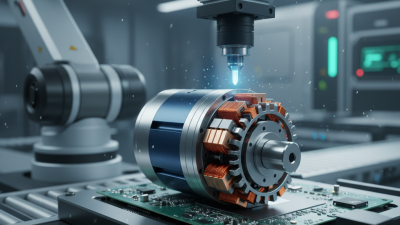
Recent advancements in hybrid stepper motor technology have transformed various industries. These motors combine elements of both permanent magnet and variable reluctance designs. This results in enhanced torque and precision, making them suitable for complex applications. The shift towards automation requires systems that are both efficient and reliable. Hybrid stepper motors meet these demands effectively.
The trend towards smaller, more efficient designs is significant. Engineers are adapting motors for compact spaces while maintaining performance. New materials and technologies are being utilized to achieve this goal. For instance, improved winding techniques reduce energy loss. This innovation leads to motors that are not only better but also environmentally friendly. However, manufacturers must balance cost and performance. The challenge lies in creating affordable solutions that do not compromise quality.
Furthermore, the increasing integration of smart technologies is noteworthy. Hybrid stepper motors are now equipped with sensors for real-time monitoring. This feature allows for predictive maintenance, improving long-term reliability. Yet, the complexity of these systems can be daunting. Users must remain vigilant about compatibility and installation requirements. Embracing these advancements requires continuous learning and adaptation from all stakeholders in the industry.



 Daniel.Ding
 Ding
Ding