Best Stepper Drive Solutions for Your Industrial Needs?
In the industrial landscape, precision and reliability are paramount. Stepper Drive systems have emerged as essential components in various applications, ranging from robotics to CNC machining. These systems excel at providing accurate control of motion and positioning. With increasing demands for automation, selecting the right Stepper Drive can significantly impact efficiency.
Understanding the intricacies of Stepper Drives is crucial for engineers and designers. The market offers numerous options, each with unique features and specifications. It can be overwhelming to navigate through these choices. Each application may require a different setup, adding complexity.
Reflecting on past experiences with Stepper Drives can provide valuable insights. Some users may struggle with compatibility or integration issues. Others might not fully realize the importance of torque ratings or voltage requirements. An informed selection process based on specific needs can prevent these pitfalls. By thoroughly assessing available solutions, industries can optimize their performance and adaptability.
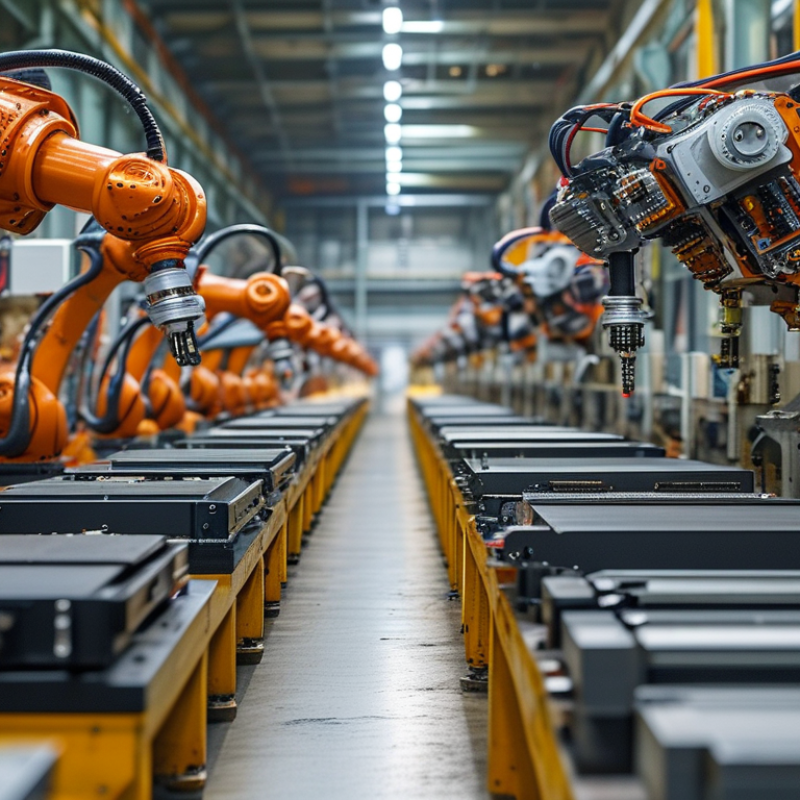
Understanding Stepper Drive Technology in Industrial Applications
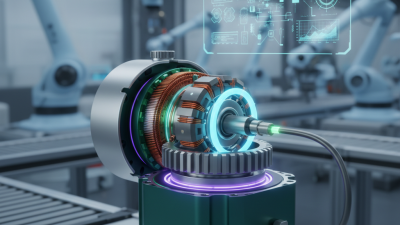
Stepper drive technology plays a vital role in industrial applications, offering precision movement and control. These drives convert electrical energy into mechanical motion with high accuracy. In many industries, maintaining exact positioning is crucial. For tasks such as CNC machining, robotics, and material handling, stepper drives excel by providing repeatable motion without the need for feedback systems.
One of the main benefits of stepper drives is their ability to operate in open-loop configurations. This simplifies the control system and reduces costs. However, they do have limitations. For instance, under heavy loads, stepper motors may lose steps, leading to positioning errors. This can impact productivity and efficiency, prompting a reevaluation of system requirements. Addressing these shortcomings is essential for optimizing performance.
As technology evolves, advancements in stepper drive solutions continue to emerge. These include improvements in torque production and reduced power consumption. Integrating these technologies can enhance industrial processes, but careful consideration is necessary. Adopting the latest drive solutions should be based on thorough testing and analysis of specific application needs. Balancing cost-efficiency with reliability is a challenge many industries face today.
Key Features to Look for in Stepper Drive Solutions
When selecting stepper drive solutions for industrial applications, key features matter. Precision should be a primary focus. Reports show that accurate positioning can enhance productivity by up to 30%. Consider a stepper drive's resolution; higher resolution often indicates better control. Additionally, check the torque specifications. A better torque performance translates to more reliable operation and can prevent stall issues.
Reliability is another critical factor. Industrial environments can be harsh. According to data, failures due to overheating account for 25% of drive issues. Look for solutions with built-in thermal protection or advanced cooling systems. Moreover, compatibility with existing systems is vital. Check if the drive can integrate seamlessly with your current setup.
Tip: Always request a demo unit. Testing in your environment can reveal hidden challenges. Also, consider the ease of programming. Complex setups can lead to prolonged installation times. A user-friendly interface can save time and reduce errors. Be cautious of overly complicated solutions. They may boast features, but practical usability is essential.
Comparing Different Types of Stepper Drives for Efficiency
When choosing a stepper drive for industrial applications, efficiency is key. Different types of stepper drives vary in precision and power consumption. A study by the International Society of Automation reveals that hybrid stepper motors can achieve up to 85% efficiency in specific applications. This is significant compared to traditional stepper motors, which often struggle to exceed 60% efficiency.
Additionally, microstepping drives enhance positioning accuracy and smoothness. Research indicates that using microstepping can reduce vibration by as much as 80%, leading to improved performance in automation systems. However, many companies overlook the extra complexity and potential heat generation associated with microstepping, which can jeopardize system stability.
Manufacturers face challenges in selecting the optimal drive type. Continuous advancements in technology mean that staying informed is crucial. While some companies may rely on outdated systems, modern drives are evolving to meet the growing demand for efficiency. Understanding the implications of selection can lead to better outcomes and more reliable operations.
Best Practices for Implementing Stepper Drives in Your System
Implementing stepper drives in industrial systems requires careful consideration. Understanding the specific application is crucial for selecting the right type of stepper drive. Analyze the torque requirements and speed specifications of your machinery. This ensures optimal performance and efficiency.
Tips to keep in mind: Always verify the supply voltage specifications. Using the wrong voltage can lead to overheating. It's also essential to frequently check for wear and tear in connections. This helps prevent unexpected failures. Regular maintenance is often overlooked but critical for long-term reliability.
Incorporating feedback mechanisms can enhance precision. Although stepper drives are generally reliable, inconsistency can arise. Continuous monitoring assists in identifying potential issues early. Balancing performance with potential pitfalls will lead to better results. Sometimes, slight adjustments can make a significant difference in your operation.
Best Stepper Drive Solutions for Your Industrial Needs
| Drive Type |
Torque (Nm) |
Current Rating (A) |
Voltage (V) |
Microstepping Capability |
Typical Applications |
| BLDC Stepper |
1.2 |
2.0 |
48 |
1/16 |
3D Printers, CNC Machines |
| Hybrid Stepper |
0.8 |
1.5 |
24 |
1/32 |
Medical Devices, Robotics |
| Permanent Magnet Stepper |
1.5 |
42 |
1/8 |
Automated Tools, Textile Machines |
| Variable Reluctance Stepper |
0.5 |
1.2 |
12 |
1/4 |
Drafting Machines, Packaging |
Future Trends in Stepper Drive Technology for Industry
The future of stepper drive technology holds significant promise for various industries. One emerging trend is the integration of advanced control algorithms. These algorithms enhance precision and reliability in movement. As industries seek higher efficiency, smarter drives are becoming crucial. Real-time feedback systems are being developed for better adaptability. This allows machines to adjust to changing conditions and demands.
Another noteworthy trend is the shift towards energy-efficient designs. By reducing energy consumption, manufacturers can cut costs and decrease their carbon footprint. It’s essential to evaluate the trade-offs between power and performance. Less power may lead to slower speeds in certain applications. This raises questions about the best balance for specific requirements.
Collaborative robots, or cobots, are also driving changes in stepper drive solutions. These systems must work safely alongside human operators. As a result, advancements in safety protocols and features are necessary. The development of user-friendly interfaces is vital for enhancing usability. Yet, this can complicate designs and lead to potential vulnerabilities. Continuous learning and adaptation will be critical as technology evolves in this space.



 Daniel.Ding
 Ding
Ding