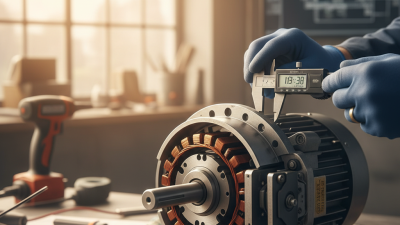
Choosing a Brake Motor manufacturer in China takes more than comparing prices or browsing polished product photos. Buyers need to understand how a motor performs under real operating conditions, from frequent starts and stops to heat buildup in a crowded machine enclosure. Small details matter. A brake response time, mounting-hole pattern, or coil voltage mismatch can delay installation and affect equipment performance.
This guide introduces notable Chinese manufacturers and the factors that help buyers assess them. It considers product range, engineering capability, customization, quality controls, and after-sales support. Useful evidence may include detailed specification sheets, inspection records, test reports, and clear answers about duty cycles and operating environments. A sample unit can also reveal practical details that a catalogue may not show, such as noise, finish, and wiring access. Still, no supplier is right for every project. A large manufacturer may offer broad capacity, while a smaller specialist may respond more closely to a custom requirement. Claims should be checked against the application, not accepted at face value. Some information is difficult to compare across suppliers, and that deserves attention. The goal is not to name a universal winner, but to help buyers build a shortlist and ask more precise questions before placing an order.
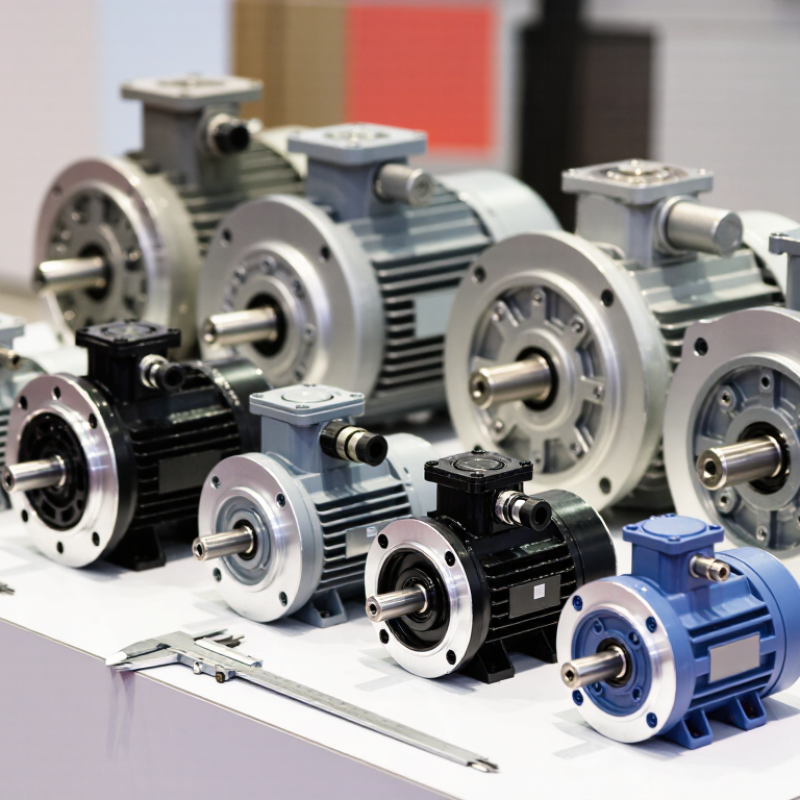
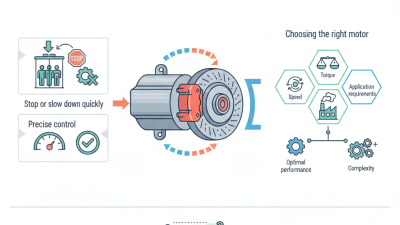
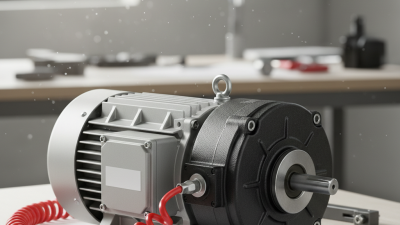
A brake motor combines an electric motor with a braking unit, allowing equipment to drive a load and hold it still. Many designs use a spring-applied, electrically released brake. When power is cut, springs press a friction disc against a stationary surface. The resulting friction slows or holds the shaft. When the brake coil receives power, it releases the disc so the motor can turn. Exact designs vary, so check the motor’s technical documentation.
This arrangement is useful where a load must stop reliably or resist movement while idle. Common applications include hoists, conveyors, packaging lines, machine tools, and automated doors. For example, a conveyor brake can help prevent goods from drifting on a sloped section after shutdown. In lifting equipment, brake selection affects safe load holding and stopping behavior. A brake motor is not a substitute for a complete safety system; duty cycle, load inertia, and stopping frequency all matter.
Tips: Confirm voltage, torque, mounting, and duty rating before selecting a unit. Ask how the brake behaves during power loss. Measure stopping distance under realistic load conditions, too. Small differences in installation can matter. Manufacturers in China offer varied configurations, but compare documented test data rather than relying on a catalogue description alone.

China’s brake motor industry combines specialized producers with larger factories serving several motor categories. Many manufacturers supply standard units for conveyors, hoists, packaging lines, and machine tools. Others adapt brake torque, voltage, shaft dimensions, or mounting arrangements to match equipment drawings. This structure supports both repeat orders and smaller customized batches.
Production strengths often come from close coordination between machining, winding, assembly, and testing. A typical inspection may check air-gap consistency, insulation resistance, braking response, and temperature rise. Details matter. A brake that releases slowly can disrupt a production line, even when the motor itself runs smoothly. Access to component suppliers and established industrial clusters can also shorten sourcing and delivery cycles, though lead times still vary.
Manufacturing capacity alone does not guarantee dependable performance. Buyers should compare test records, operating-duty ratings, spare-parts support, and the maker’s ability to explain its design choices. Ask how the unit behaves during frequent starts or dusty operation. Then verify those conditions against the actual application. Documentation can be uneven, and specifications do not always reveal field behavior. That is worth questioning before a large order.
Chinese brake motor manufacturers typically organize their portfolios around electromagnetic brake motors for stopping and holding loads. Common options include AC and DC brake designs, geared brake motors, and different mounting configurations. Some suppliers also provide voltage, shaft, insulation, and enclosure variations. These details matter when a motor must fit an existing machine. A wide catalog is useful, but it does not guarantee a suitable match.
In practical selection, compare rated torque, stopping time, duty cycle, and release method against the machine’s actual operating conditions. A hoist and a packaging conveyor may need very different braking behavior. Check whether the listed torque applies to the motor alone or a geared assembly. Ask for dimensional drawings, wiring details, and test data for the proposed configuration. Catalog figures can be incomplete. That is worth admitting.
Tips: Confirm the supply voltage and mounting dimensions before ordering. Ask how the brake performs during frequent starts, and check the specified air gap and maintenance interval. Keep a record of the exact motor and brake configuration; small variations can complicate replacement later.
Choosing among top brake motor manufacturers in China means comparing engineering evidence, not just catalog claims. The IEA’s 2011 report, Energy-Efficiency Policy Opportunities for Electric Motor-Driven Systems, estimates that motor-driven systems use about 46% of global electricity. Brake motors therefore deserve careful checks on efficiency, heat, and stopping performance. Ask for measured braking torque, response time, duty-cycle limits, and temperature-rise results. A smooth-looking test sheet is useful, but it may not represent a dusty, frequently cycled production line.
Quality comparisons should include traceable inspection records, consistent insulation and bearing specifications, and enclosure protection suited to the installation. IEC 60034-5 defines protection levels for rotating-machine enclosures; confirm the selected rating matches the site’s moisture and dust exposure. For customization, check whether the maker can adapt voltage, frequency, mounting, shaft dimensions, brake release, and cable entry. Request a drawing and test protocol before approving a nonstandard design. Details can get messy.
Tips: Send suppliers the real load profile, stop frequency, ambient temperature, and available space. Compare written test conditions, not just headline figures. If a motor will stop a suspended or high-inertia load, ask a qualified engineer to verify the braking arrangement and safety margins.
Top Brake Motor Manufacturers in China
How to Evaluate and Select a Chinese Brake Motor Manufacturer
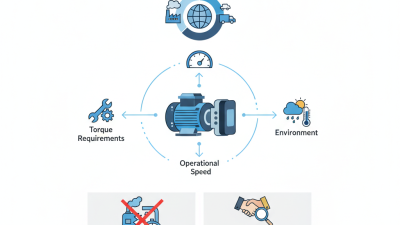
A suitable brake motor should match the machine’s real operating conditions, not just its catalogue rating. Define required torque, supply voltage, stopping frequency, load inertia, and ambient temperature before comparing suppliers. For example, a conveyor that stops every few seconds may need a different brake duty rating from a fan that stops occasionally. Ask how the manufacturer calculates braking torque and whether its test conditions match yours. A brochure is only a starting point.
Request drawings, wiring diagrams, inspection records, and test results for the exact motor configuration. Check brake release time, stopping consistency, insulation class, enclosure rating, and the stated service life. If the motor will run in a dusty workshop, examine how the brake and housing resist contamination. Ask about replacement parts and maintenance access, too. Small details matter. A sample test under your load can reveal noise, heat buildup, or delayed release that a specification sheet may miss.
A factory review can help verify machining, winding, assembly, and final inspection processes. Look for traceable production records and clear procedures for handling nonconforming units. Ask who performs testing and how results are recorded. No checklist catches every mismatch; it is easy to overlook installation conditions during supplier discussions. Share the mounting arrangement, control method, and expected start-stop cycle, then confirm any changes in writing before production.
Use this buyer’s evaluation matrix to compare suppliers. The suggested weights are a starting point, not an industry standard; adjust them to match the application and project risks.
| Evaluation dimension | Suggested weight | What to verify | Evidence to request | Potential warning sign |
|---|---|---|---|---|
| Application and engineering fit | 15% | Whether the supplier can match the motor to the load, operating cycle, mounting arrangement, supply, and required braking behavior. | A written selection review covering load inertia, starts per hour, stopping or holding requirements, ambient conditions, and installation details. | A recommendation based only on motor power or frame size, without asking about the duty or load. |
| Brake performance and configuration | 15% | Rated brake torque, brake supply voltage, release method, response requirements, and whether the brake is intended for holding, stopping, or both. | Brake specification and test records; confirmation that the stated torque and duty suit the actual application. Check static holding and dynamic braking requirements separately. | Unqualified torque figures or no explanation of the conditions under which they apply. |
| Motor ratings and thermal suitability | 12% | Rated output, voltage, frequency, speed, duty type, insulation and temperature-rise information, and compatibility with any drive or control system. | Datasheet and nameplate details; clarify the applicable rating conditions and any limits for inverter operation. | Conflicting ratings across the quotation, datasheet, and nameplate draft. |
| Mechanical interchangeability | 10% | Frame, shaft, flange, mounting, terminal-box position, and other interface dimensions needed for installation or replacement. | Dimensioned drawings and a point-by-point comparison with the existing equipment or project specification. | A general outline drawing that omits critical shaft or mounting tolerances. |
| Protection and operating environment | 8% | Ingress protection, cooling arrangement, corrosion exposure, altitude, ambient temperature, and any hazardous-area requirements. | Declared enclosure rating and supporting documentation; confirm that the selected configuration suits the installation environment. | A protection rating stated without identifying the tested configuration or applicable conditions. |
| Quality controls and traceability | 12% | Inspection controls for incoming materials, winding, assembly, brake adjustment, final testing, and identification of finished units. | Sample inspection plan, sample test report, serial or batch traceability approach, and quality-system certificate with scope and validity checked. | A certificate presented as a substitute for product-specific inspection or test records. |
| Standards and documentation | 8% | Whether applicable motor, dimensional, enclosure, and market requirements are clearly identified for the ordered configuration. | A standards list tied to the product and destination market; verify editions, scope, and any required conformity documents independently. | Broad claims of compliance with no document numbers, scope, or configuration details. |
| Customization and sample validation | 7% | Ability to confirm non-standard voltage, shaft or flange details, brake options, wiring, and other agreed requirements before production. | Approved drawings, a sample or pilot-unit plan where appropriate, and a documented procedure for handling specification changes. | Custom requirements accepted verbally but missing from the approved specification. |
| Delivery and supply continuity | 6% | Quoted lead time, production planning, packaging, shipment terms, and how schedule changes or component shortages are communicated. | A written delivery schedule, packaging details, and clear responsibility for transport and export documentation. | A delivery promise with no stated assumptions or milestones. |
| After-sales support and warranty | 7% | Warranty scope, response process, troubleshooting support, spare-parts availability, and responsibility for evaluating a reported failure. | Written warranty terms, service contact details, claim procedure, and recommended spare-parts list for the application. | Warranty exclusions or service responsibilities that are unclear before purchase. |