What is a Brake Motor and How Does it Work?
A brake motor is an essential component in various machinery. It integrates both a motor and a braking system. Understanding how a brake motor works can enhance operational efficiency and safety in industrial settings.
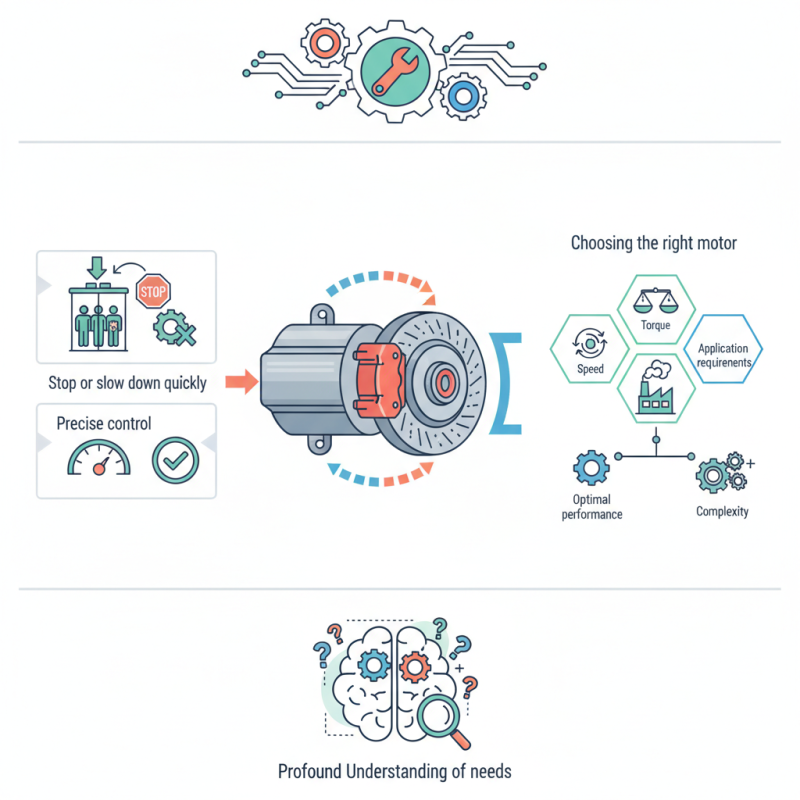
The primary function of a brake motor is to stop or slow down machinery quickly. This is crucial in applications where precise control is necessary. For example, in elevators, a brake motor ensures smooth and safe stops, preventing accidents.
However, choosing the right brake motor can be challenging. Various types exist, each suited for specific tasks. Misjudging this can lead to inefficiencies. Professionals must weigh their options carefully, taking into account torque, speed, and application requirements. A versatile brake motor can deliver optimal performance, but with a trade-off in complexity. This makes it vital for engineers to have a profound understanding of their needs.
What is a Brake Motor?
A brake motor is a crucial component in various industrial applications, combining the functions of both a motor and a braking system. These motors are designed for precise speed and position control, often found in conveyor systems, hoists, and elevators. According to a report by Research and Markets, the global electric motor market, including brake motors, was valued at approximately $120 billion in 2021 and is projected to grow steadily over the next few years.
The working principle of a brake motor involves the integration of a braking mechanism directly with the motor. This design enhances efficiency and safety. When power is cut, the brake engages, bringing the load to a stop quickly and preventing any back-driving. This is essential in applications where safety and reliability are paramount. Data from the International Electrotechnical Commission (IEC) indicates that the use of brake motors can reduce energy consumption by up to 30% compared to traditional systems.
**Tips:** Regular maintenance is key for brake motors. Check for wear and tear on brake pads and ensure the motor is free from dust. This will enhance performance and longevity. Be mindful of load specifications; operating beyond recommended levels can lead to overheating and motor failure. Always review operational data to prevent unexpected breakdowns.
Brake Motor Power Ratings
This bar chart represents the number of different brake motor models available based on their power ratings. As observed, the most common power ratings tend to be around 1 HP and 2 HP.
Components of a Brake Motor
A brake motor is an electric motor combined with a braking system. It is crucial in various applications where stopping and controlling motion is essential. Understanding the components of a brake motor helps in appreciating its functionality.
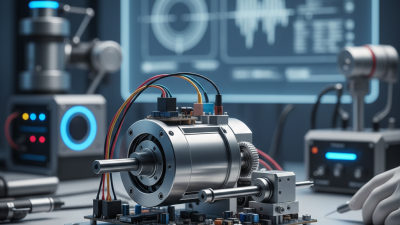
The primary components include the electric motor, the brake assembly, and the control system. The electric motor provides the necessary power for movement. It transforms electrical energy into mechanical energy. This part often acts like a standard motor in many applications. The brake assembly typically consists of brake pads and discs, which engage to halt rotation. When the motor stops, the brake assembly activates, bringing the system to a quick halt.
The control system plays a vital role in regulating both motor speed and braking force. It can be analog or digital, providing feedback on the motor's performance. Sometimes, the interaction between these components can be tricky. If not calibrated correctly, the motor might not stop swiftly. Users must be aware of this possibility. Regular checks can ensure the brake motor functions smoothly, improving safety and efficiency.
How Brake Motors Work: The Mechanisms Explained
Brake motors are essential in various industrial applications, combining the functions of a motor and a braking system. They offer rapid stopping, increased safety, and improved efficiency in machinery. The braking mechanism often utilizes a DC or AC motor fitted with friction braking elements. These elements engage when power to the motor is interrupted, providing immediate stopping force.
A report from the International Electro-technical Commission indicates that the global market for electric motors, which includes brake motors, is projected to reach $200 billion by 2026. This growth is driven by increasing automation and demand for energy-efficient solutions in industries like manufacturing and transportation. Brake motors are typically preferred in situations that require precise control and immediate stoppage, such as conveyor systems and lifting applications.
Tips: Regular maintenance is crucial to ensure the reliability of brake motors. Inspect the brake assembly for wear and tear. Consider using condition monitoring systems to predict failures. Remember, even a small issue can lead to significant downtime. Proper ventilation also enhances motor efficiency and longevity.
Applications of Brake Motors in Industry
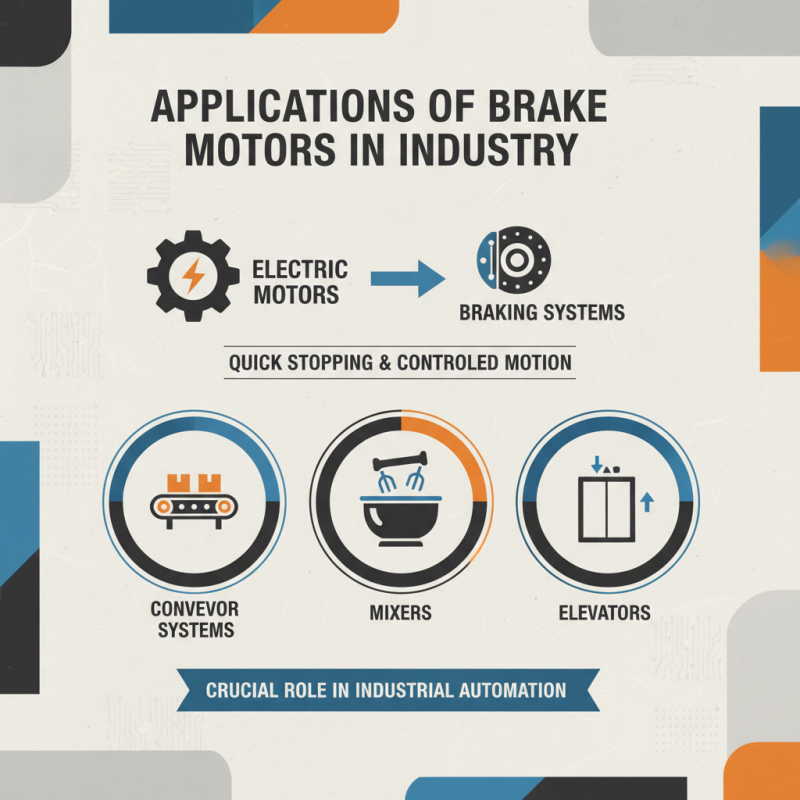
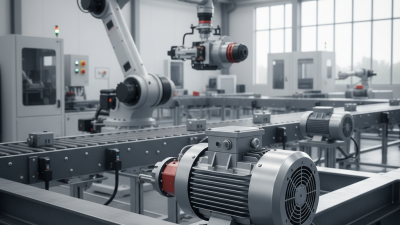
Brake motors play a crucial role in a variety of industrial applications. These motors combine standard electric motors with braking systems. This design allows for quick stopping and controlled motion. Industries often utilize brake motors in conveyor systems, mixers, and elevators.
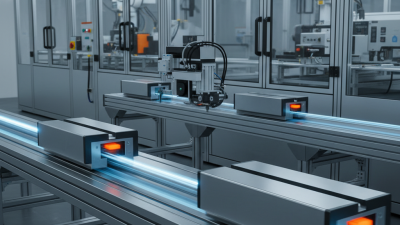
In manufacturing, efficiency and safety are paramount. Brake motors help achieve both. For instance, in automated assembly lines, these motors ensure items stop precisely where needed. This prevents damage and keeps operations smooth. Another application is in cranes, where precise positioning is critical. The braking system allows for delicate maneuvers and enhances safety for workers below.
While brake motors are useful, their installation can be complex. Proper alignment and maintenance are essential. A poorly installed brake motor may lead to operational failures. Regular inspections help mitigate risks. This highlights the need for trained technicians in the field. Their expertise ensures that brake motors function correctly, supporting safer and more efficient industrial operations.
Advantages of Using Brake Motors Over Standard Motors
Brake motors serve a unique function in various industrial applications. Unlike standard motors, they incorporate a braking mechanism. This feature allows for rapid stopping and improved precision in operations. The direct integration of brakes simplifies the control system. Operators can easily manage the stopping process without requiring additional equipment.
There are several advantages to using brake motors. They enhance safety by ensuring equipment halts quickly in emergencies. This is critical in environments with heavy machinery. Additionally, brake motors reduce wear on mechanical components. Standard motors often rely on external brakes, which can wear out faster. In contrast, the built-in braking system of brake motors is designed for longevity. They also offer compact solutions for space-limited situations.
While brake motors have many benefits, some drawbacks need consideration. They may require a higher initial investment than standard models. Maintenance can be more complex due to the integrated brake systems. However, the long-term savings in reduced wear and increased safety often outweigh these concerns. Industries focused on efficiency and safety benefit greatly from brake motors.



 Daniel.Ding
 Ding
Ding