2026 How to Choose the Right Brake Motor for Your Needs?
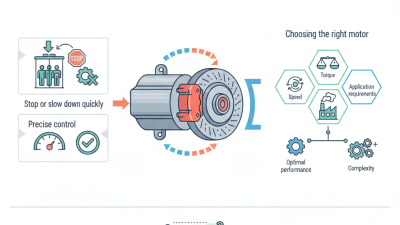
Selecting the right Brake Motor is crucial for optimal performance in various applications. According to industry reports, the global motor market is expected to reach $141 billion by 2026, highlighting the significance of choosing the appropriate motor type. Brake Motors, known for their ability to provide quick stops and precise control, are increasingly in demand across sectors like manufacturing and transportation.
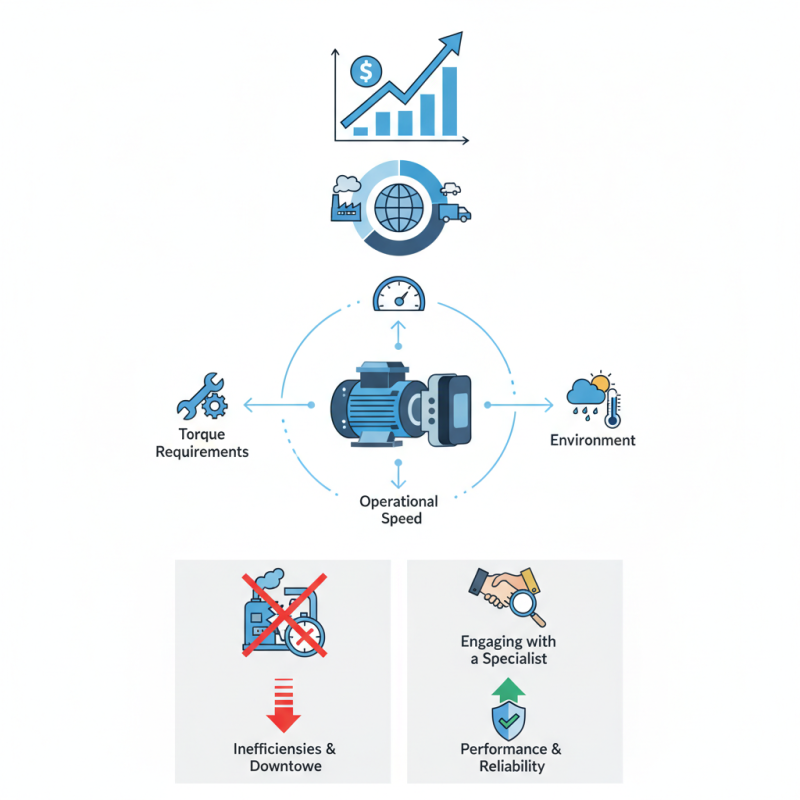
When choosing a Brake Motor, one must consider several factors. These include torque requirements, operational speed, and the environment in which the motor will operate. For instance, a heavy-duty application may need a motor that can handle high torque without overheating. Data shows that improper selection can lead to inefficiencies and increased downtime—issues that can cost a company significantly.
Despite available data, many still struggle with this decision-making process. It is not uncommon for users to overlook specific requirements or underestimate the impact of environmental conditions. Engaging with a specialist can provide valuable insights and help avoid costly pitfalls. Ensuring the right Brake Motor selection will pay off in performance and reliability.
Understanding Brake Motors and Their Applications
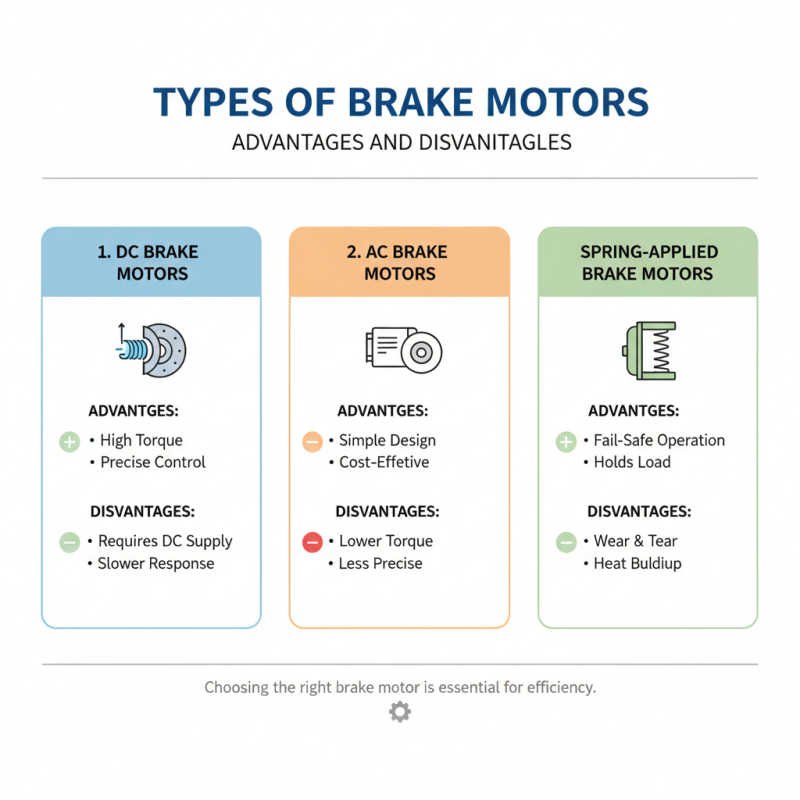
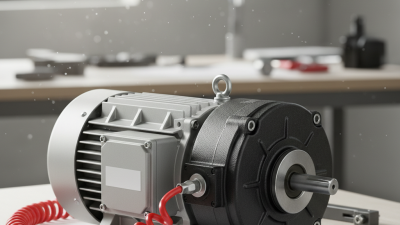
Brake motors are vital in various applications, from industrial machinery to escalators. These motors integrate braking mechanisms into the motor assembly, providing instant stopping power. Understanding their applications is crucial for selecting the right motor. According to industry reports, the global brake motor market is expected to grow significantly, reaching approximately $2.8 billion by 2026. This growth reflects increased demand across numerous sectors.
Different configurations of brake motors exist. Typically, they include electromagnetic and hydraulic options. Electromagnetic brakes are common in conveyor systems and hoists, offering quick engagement and release. Meanwhile, hydraulic brakes are often found in larger systems due to their strength. Recognizing the specific requirements of your application, such as load capacity and speed control, is essential. Data shows that improper motor selection can lead to inefficiencies, adding unexpected costs to operations.
Consider the environmental impact as well. Brake motors are often subjected to dust, moisture, and varying temperatures. Selecting a motor rated for your specific environment can enhance durability. Additionally, staying updated on industry standards can prevent compliance issues. Some users overlook these aspects, risking safety and efficiency. This emphasizes the importance of expert consultation during the selection process.
Key Factors to Consider When Selecting a Brake Motor
Selecting the right brake motor involves several critical factors. Understanding the application requirements is essential. Consider the load type. Different loads may need specific torque and speed ratings. Knowing these specifics will help narrow down your options.
Operating environment plays a significant role too. Is it indoors or outdoors? Will it face dust or moisture? These conditions affect motor performance and durability. Choosing a motor without considering these factors could lead to failures.
Furthermore, look into the required safety features. Overheating or unexpected stops can pose risks. Assess the braking system’s responsiveness. A reliable brake motor should provide immediate stopping power when necessary. Think about maintenance needs as well. Some motors require more upkeep than others. Being realistic about maintenance can guide better decisions.
Evaluating Performance Metrics for Brake Motors
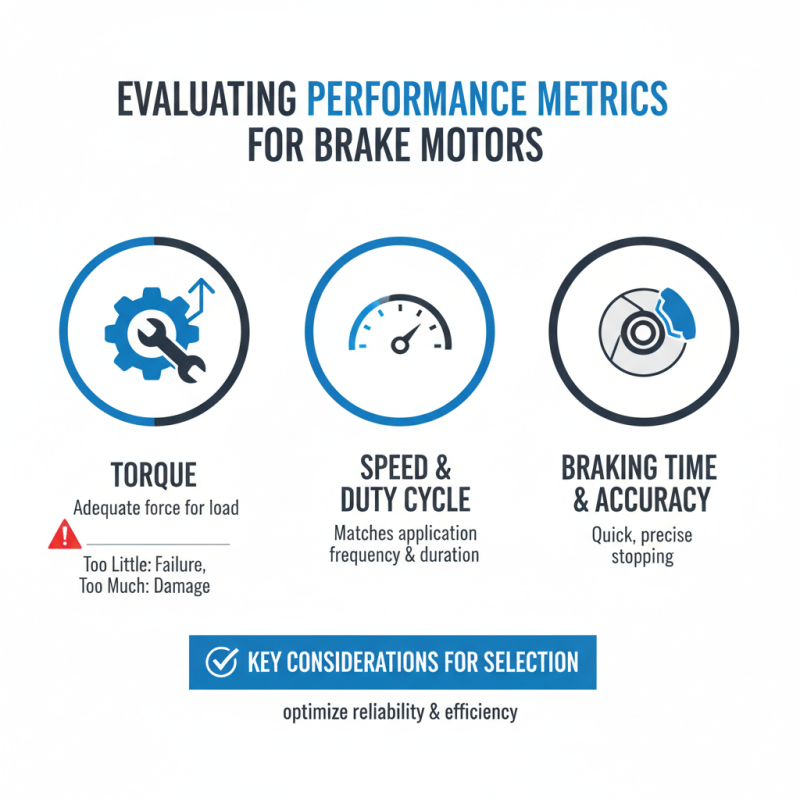
When selecting a brake motor, evaluating its performance metrics is key. Different applications require unique characteristics from a motor. Start by considering torque. The brake motor should provide adequate torque to handle the load. Too little torque can lead to failure in operation, while too much can damage the system.
Speed is another important metric. The motor's RPM should align with your application’s requirements. High speeds can improve performance, but may also lead to overheating. Look for a motor with good thermal management features. Efficiency ratings are essential as well. A more efficient motor saves energy and reduces costs over time.
Durability is often overlooked but vital. Assess the materials used in the motor. High-quality components can withstand harsh conditions. However, not all motors can handle prolonged use. Regular maintenance is necessary to ensure reliability. Testing motors under real-world conditions can reveal performance flaws that specifications might not indicate. Remember, the best choice is not always the most powerful motor, but the one that fits your needs.
Installation and Maintenance Tips for Brake Motors
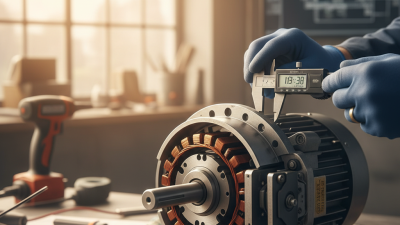
When it comes to brake motor installation, precision is crucial. First, ensure the motor is installed on a stable base. An unstable base can lead to vibrations, causing long-term damage. Align the motor shaft with the driven shaft to prevent misalignment. Use proper tools to tighten the mounting bolts. An incorrectly installed motor can affect its performance.
Maintenance is key to prolonging the life of your brake motor. Regularly check the motor for any signs of wear. Listen for unusual noises during operation. They can indicate internal issues. Keep the motor clean and free of dust. Dust can accumulate and affect cooling. Lubricate parts as recommended by professionals to ensure smooth operation.
Pay attention to temperature changes. Excessive heat can indicate problems within the system. It’s essential to monitor the brake motor's performance. Schedule routine inspections to catch potential issues early. This proactive approach can save costs and headaches later. Always consult with experts if unsure about the maintenance process.
2026 How to Choose the Right Brake Motor for Your Needs? - Installation and Maintenance Tips for Brake Motors
| Application |
Motor Type |
Power Rating (kW) |
Voltage (V) |
Brake Type |
Maintenance Interval (Months) |
| Conveyor Systems |
Squirrel Cage |
3.0 |
400 |
Electromagnetic |
6 |
| Elevators |
Permanent Magnet |
5.5 |
230 |
Spring Applied |
12 |
| Industrial Automation |
DC Motor |
2.2 |
48 |
Hydraulic |
8 |
| Packaging Machines |
AC Gear Motor |
4.0 |
380 |
Mechanical |
10 |



 Daniel.Ding
 Ding
Ding