Exploring the Future of Linear Motor Technology in 2026 Top Innovations?
The evolution of Linear Motor technology stands at the forefront of innovation in 2026. As industries seek greater efficiency, linear motors offer unique solutions. These motors eliminate traditional rotary mechanisms, leading to more streamlined operations. They promise improved precision and reduced maintenance.
New applications are emerging across various fields. From transportation to robotics, linear motors are enhancing performance. For instance, high-speed trains utilize them for smoother rides. In manufacturing, they enable rapid and precise movements. However, challenges remain. The cost of implementation and integration can be significant.
Experts suggest a need for balancing innovation with practicality. Understanding the limitations can aid wider adoption. Linear Motor technology has potential, but realistic expectations are crucial. Evaluating both advantages and drawbacks ensures informed decisions. The journey towards a future with advanced linear motors is filled with opportunities and complexities.
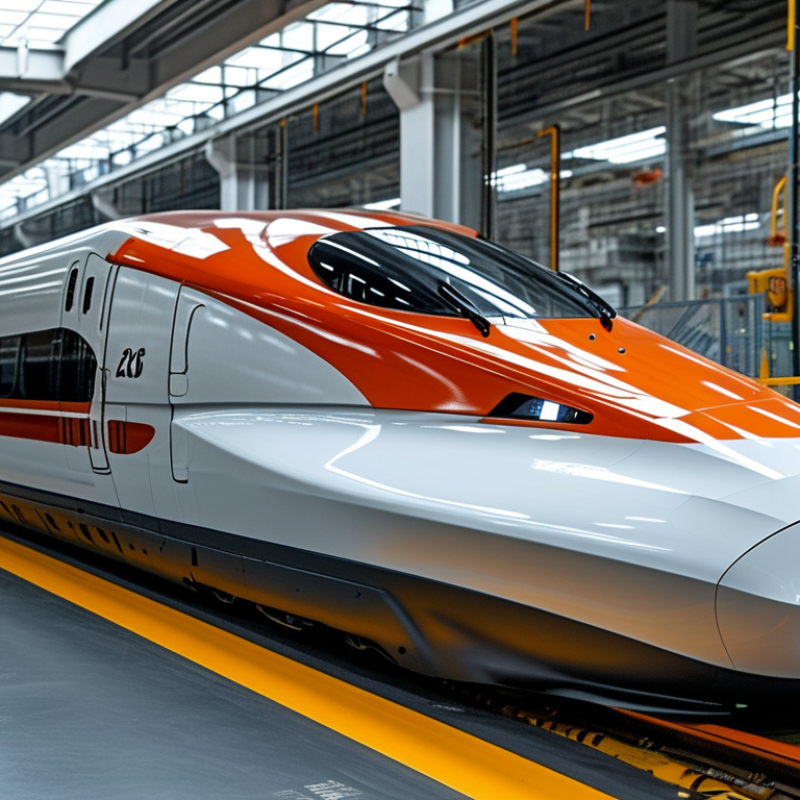
Overview of Linear Motor Technology Developments Since 2023
Linear motor technology has seen substantial advancements since 2023. These developments have significantly impacted various industries, including transportation, manufacturing, and robotics. Continuous research has enhanced the efficiency and precision of linear motors. They are now capable of delivering higher speeds and greater power output.
One notable improvement is in the design of linear motors. Engineers focus on reducing weight while enhancing durability. New materials and methods are being adopted. This contributes to more compact systems that offer increased performance without compromising lifespan. However, the growing complexity in design presents challenges. Manufacturers must balance innovation with practicality.
Tips for enhancing your understanding of this technology: Stay updated with recent research papers. Participate in industry conferences to network with experts. Engage in online forums to discuss innovations with peers. Continuous learning is crucial in keeping pace with rapid changes in linear motor technology.
Exploring Innovations in Linear Motor Technology (2023-2026)
This bar chart illustrates the projected innovation index of linear motor technology from 2023 to 2026, showing a steady increase in technological advancements and applications over the years.
Key Innovations Projected for Linear Motors in 2026
The future of linear motor technology in 2026 is looking promising. Industries are rapidly advancing, particularly in automation and transportation. Projected innovations will enhance performance and efficiency. According to a recent report by MarketsandMarkets, the linear motor market is expected to grow at a CAGR of 9% from 2021 to 2026. This growth is driven by the increasing demand for high-speed applications.
One notable innovation is the integration of smart technology. Linear motors will likely embed sensors for real-time performance monitoring. Enhanced feedback systems will improve operational efficiency. Companies may also explore wiresless power transmission options. However, the challenge remains to balance these innovations with cost-effectiveness. Some organizations may face hurdles in adapting legacy systems.
Sustainability will also play a crucial role. As environmental concerns rise, the industry is looking for eco-friendly alternatives. Energy consumption needs careful evaluation. While advancements are necessary, they must be sustainable. Continuous improvement in energy efficiency metrics will be critical. The promise of linear motor technology in 2026 revolves around innovative designs, smart integration, and a commitment to sustainability.
Impact of Technological Advancements on Industry Applications
The advancements in linear motor technology are reshaping various industries. By 2026, experts predict that these innovations will drive efficiency gains in manufacturing. A report from Research and Markets suggests the linear motor market could exceed $5 billion by 2026, reflecting a compound annual growth rate of over 12%. This growth is fueled by the need for precision in applications like robotics and transportation.
In manufacturing, linear motors significantly reduce cycle times. Their direct-drive capabilities eliminate the need for gear mechanisms. This allows for smoother operation and minimal wear and tear. However, integrating these technologies can pose challenges. Companies must consider the cost of implementation and employee training.
Tip: Conduct a thorough cost-benefit analysis before transitioning to linear motors for production lines.
Another factor to consider is the evolving nature of industry standards. As technology rapidly advances, ensuring compliance can be daunting. Industries will need to adapt to maintain safety and performance standards. Those who can pivot effectively will gain a competitive edge.
Tip: Keep abreast of regulatory changes to ensure your applications remain compliant and efficient.
As we look towards 2026, the potential of linear motors is immense, but careful planning and execution are critical. The landscape will continually change, pushing industries to rethink their operational strategies.
Challenges and Opportunities Facing Linear Motor Manufacturers
The linear motor technology landscape in 2026 is filled with challenges and opportunities. As manufacturers innovate, they must navigate a complex arena marked by increased competition and rapid advancements. One primary challenge is the integration of smart technologies. Linear motors require sophisticated control systems. Adapting to these demands can create design and engineering bottlenecks.
Market expectations are evolving. Clients seek more efficient and cost-effective solutions. However, achieving this while maintaining quality is difficult. Manufacturers must invest in research and development to stay competitive. The journey may lead to new breakthroughs, but it also carries risks of failure. Not every innovation will succeed, and companies need a strategy for failure analysis.
Tip: Regularly assess your technology's capabilities against emerging market trends. This can highlight areas needing improvement or innovation.
Additionally, sustainability is a pressing concern. Manufacturers face pressure to reduce environmental impact. Switching to eco-friendly materials and energy-efficient processes is essential but can be expensive. Understanding how to balance costs and sustainability will define future success.
Tip: Engage with stakeholders to gather insights. Their feedback can guide better practices and innovations that align with both business goals and environmental responsibilities.
Exploring the Future of Linear Motor Technology in 2026 Top Innovations? - Challenges and Opportunities Facing Linear Motor Manufacturers
| Dimension |
2026 Projection |
Challenges |
Opportunities |
| Efficiency Improvement |
20% increase |
High R&D costs |
Growing demand in robotics |
| Cost Reduction |
15% reduction predicted |
Material shortages |
Emerging markets expansion |
| Smart Technology Integration |
Widespread adoption |
Cybersecurity threats |
AI collaboration potentials |
| Sustainability Initiatives |
Integration of eco-friendly materials |
Regulatory compliance |
Consumer preference shift towards green technology |
| Application Diversity |
New sectors explored (e.g., aerospace) |
Technical barriers to entry |
Cross-industry collaborations |
Future Trends in Linear Motor Efficiency and Sustainability
The future of linear motor technology is fascinating, particularly in efficiency and sustainability. In 2026, we expect to see significant advancements in energy conversion. Innovative designs will focus on reducing energy loss during operation. Magnetic materials may evolve to provide better performance with less waste. This shift towards sustainability requires rethinking current manufacturing practices.
Integration of artificial intelligence into linear motors will enhance their operational efficiency. AI can optimize performance in real time, adapting to varying loads and conditions. However, there remains a challenge in achieving a balance between automation and reliability. Moreover, the lifecycle of these motors must be considered; recycling remains a complex issue. Solutions need to address manufacturing waste as we aim for greener production methods.
New materials, such as advanced composites, may also play a role in improving sustainability. While they hold promise for reducing weight and increasing efficiency, their environmental impact during production is under scrutiny. Engineers must weigh benefits against costs. There is much to explore in this field, as the quest for sustainability continues to evolve.



 Daniel.Ding
 Ding
Ding