How to Use a Stepper System for Enhanced Control and Precision?
In the realm of precision engineering, a Stepper System stands out as a pivotal component. These systems facilitate accurate movement control in various applications, from 3D printing to robotics. The fine-tuned precision they offer is crucial in achieving desired outcomes.
Stepper Systems operate on a simple yet effective principle. They divide a complete rotation into equal steps. This characteristic allows for a repeatable and accurate positioning process. Users can benefit from the enhanced control these systems provide, yet the complexity can be daunting. Proper setup and calibration are vital to achieving optimal performance.
It's essential to remember that mastering a Stepper System requires practice and patience. Beginners might face challenges, such as missed steps or incorrect configuration. Reflecting on these hurdles can lead to improved understanding and functionality. Engaging with experienced users or resources can enhance one's knowledge and ensure precision in every project.
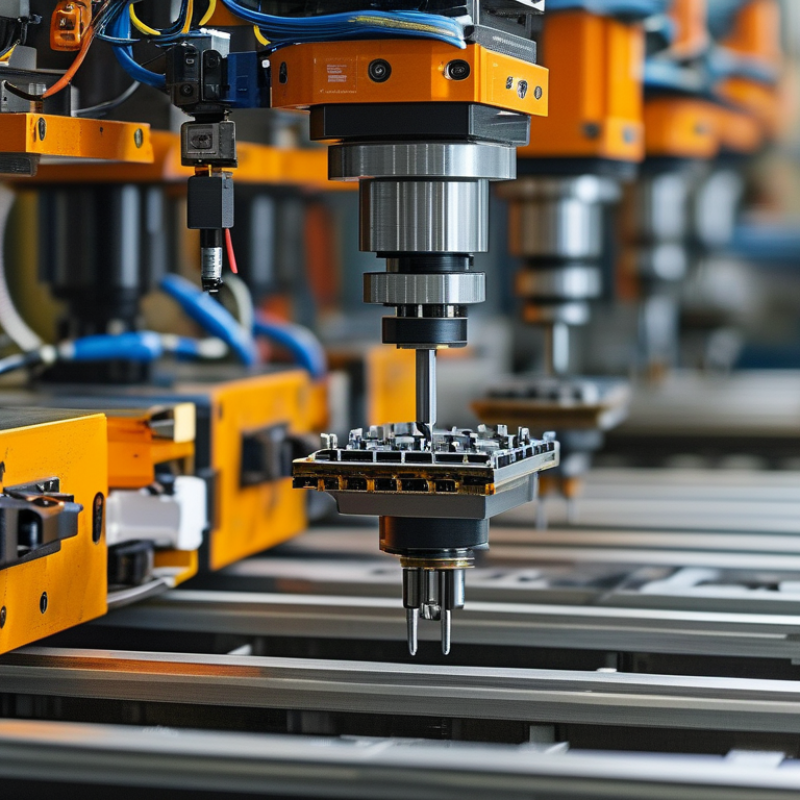
Understanding the Basics of Stepper Systems in Motion Control
Stepper systems are essential in motion control, offering high precision and repeatability. They operate on discrete steps, allowing for exact positioning. According to a recent report from the International Federation of Robotics, the demand for stepper motors has increased by over 10% annually in various industries, driven by automation and robotics.
Understanding the basics of these systems is crucial. Stepper motors receive electrical pulses, turning them into mechanical movements. Each pulse moves the motor by a fixed angle, providing a reliable way to control position and speed. Reports indicate that applications in 3D printing and CNC machines rely heavily on stepper systems due to their accuracy. Yet, their performance can degrade with increased speed. Users may notice missed steps when operating at high RPMs, leading to questions about reliability.
Low-cost solutions often compromise quality. Some systems may struggle with torque during acceleration. When implementing stepper systems, consider load characteristics and environmental factors. It's vital to assess your specific needs carefully. Nevertheless, as industries strive for greater efficiency, the role of stepper systems will only expand. Understanding the nuances of these systems can enhance control and elevate precision in complex applications.
Key Components of a Stepper System for Enhanced Precision
A stepper system comprises several key components that are vital for achieving enhanced precision in motion control applications. The primary element is the stepper motor itself. These motors enable precise incremental movement, allowing for accurate position control. According to industry reports, stepper motors can achieve positioning accuracy of up to 1.8 degrees per step. This level of precision makes them suitable for applications like 3D printing and CNC machining.
Another crucial component is the controller. It interprets commands from the user and drives the motor with the necessary signals. A well-designed controller can manage up to 256 microsteps per full step, significantly enhancing motion resolution. Data from industry studies indicate that systems with advanced microstepping capabilities can reduce vibrations and improve step accuracy by nearly 30%. However, the complexity of the controller may complicate the setup and tuning process.
Additionally, the driver plays a significant role in ensuring effective communication between the motor and the controller. The right driver can optimize performance and efficiency during operation. Yet, the choice of driver is often overlooked, possibly leading to less-than-optimal performance. These components work together to ensure that the stepper system operates with the precision necessary for demanding applications, but careful consideration in the selection process is essential.
How to Use a Stepper System for Enhanced Control and Precision? - Key Components of a Stepper System for Enhanced Precision
| Component |
Description |
Function |
Precision Level |
| Stepper Motor |
An electromechanical device that converts electrical pulses into discrete mechanical movements. |
Provides accurate motion control in increments. |
High |
| Controller Board |
Acts as the brain of the stepper system, sending commands to the motor. |
Coordinates and executes movement commands. |
Medium to High |
| Power Supply |
Provides the necessary voltage and current to the motor and controller. |
Ensures stable operation of the system. |
N/A |
| Driver Circuit |
Regulates current to the motor coils for precise control of movement. |
Controls motor speed and torque. |
High |
| Feedback System |
Includes encoders or sensors that monitor motor position. |
Ensures accuracy and corrects errors in movement. |
Very High |
Setting Up a Stepper System: A Step-by-Step Guide
Setting up a stepper system can significantly enhance your control and precision in various applications. To get started, gather the essential components: a stepper motor, a driver, a power supply, and your control interface. Make sure to choose a motor suitable for your specific requirements. Remember, incorrect specifications may lead to performance issues.
Begin by connecting the stepper motor to the driver. Pay attention to the wiring; improper connections can cause malfunctions. Once you have the connections in place, connect the driver to your power supply. Testing these connections is vital. If the system doesn't work, check for loose wires or incorrect connections.
Next, configure the control interface, whether it’s a microcontroller or a computer. Upload the program that will manage the stepper motor's movements. You may encounter issues during this phase, so don't hesitate to troubleshoot. Test different speeds and acceleration settings. Finding the right balance is essential for smooth operation. This process is also a learning experience. Adjusting the parameters can reveal insights into how your system operates. Embrace the challenges; they provide valuable lessons for future projects.
Programming Techniques for Optimal Control in Stepper Motors
When programming stepper motors, precision matters. Achieving optimal control involves a keen understanding of the motor’s mechanics. Begin with a solid foundation in the principles of stepper motor operation. These motors work by receiving short pulses of electrical signals, which cause them to move incrementally. Adjusting the timing and sequence of these signals can drastically affect performance.
Incorporating techniques like microstepping can enhance precision. Microstepping divides each full step into smaller steps, providing smoother motion. This can be achieved by using specialized drivers that can manage the current supplied to the motor. Start with low microstepping settings and gradually increase them. Always observe how the motor responds. Minor adjustments can lead to significant improvements.
Tip: Regularly check your power supply. Inconsistent voltage can lead to erratic motor behavior.
Another programming technique is acceleration and deceleration control. Sudden changes in speed can cause missed steps. Implement gradual changes in motor speed to ensure smooth operation. Continuous monitoring of performance is essential. Make adjustments based on observable changes, and don’t hesitate to tweak your programming.
Tip: Keep a log of adjustments made and their outcomes. This can reveal patterns over time, guiding future enhancements.
Stepper Motor Control Precision
This bar chart illustrates the performance metrics of a stepper motor in terms of position accuracy, speed, torque, and response time. Utilizing advanced programming techniques allows for enhanced control and precision in stepper motor applications.
Troubleshooting Common Issues in Stepper System Performance
Stepper systems offer precise control in various applications, yet they can encounter several common performance issues. Overheating is a frequent problem, often due to inadequate cooling methods or excessive load. When a stepper motor overheats, it can lead to stalls or reduced torque. According to industry reports, 30% of stepper motor failures stem from thermal issues. Implementing proper heat dissipation techniques can significantly improve reliability.
Another challenge is resonance. Stepper motors can produce vibrations that affect positioning accuracy. These vibrations often arise from mechanical configurations or incorrect step settings. Studies show that around 20% of inaccuracies in applications are linked to resonance. Using damping techniques or adjusting microstepping settings can mitigate this issue effectively.
Lastly, power supply fluctuations can lead to inconsistent performance. An unstable power source can result in missed steps and erratic behavior. Research indicates that nearly 25% of performance issues in stepper systems relate to power inconsistencies. Ensuring a stable power supply is crucial for optimal operation. Addressing these issues requires a comprehensive understanding of system dynamics and proactive measures. Awareness of potential pitfalls can enhance system performance.




 Daniel.Ding
 Ding
Ding