Top Trends in Industrial Automation for Global Buyers?
Industrial Automation is reshaping industries worldwide. As global buyers navigate this dynamic landscape, understanding current trends is crucial. Rapid advancements in technology influence production processes, enhancing efficiency and reducing costs.
Emerging trends like IoT integration, AI-driven solutions, and robotics transform traditional workflows. Companies are embracing these innovations to stay competitive. Open communication and collaboration between suppliers and buyers are essential. A flexible approach toward implementing these technologies can lead to significant improvements.
However, not all trends guarantee success. Some companies invest in automation without proper planning. This can lead to wasted resources and missed opportunities. Buyers must critically assess which technologies align with their unique needs. Careful evaluation can ensure Industrial Automation drives growth and efficiency, rather than becoming a burden.
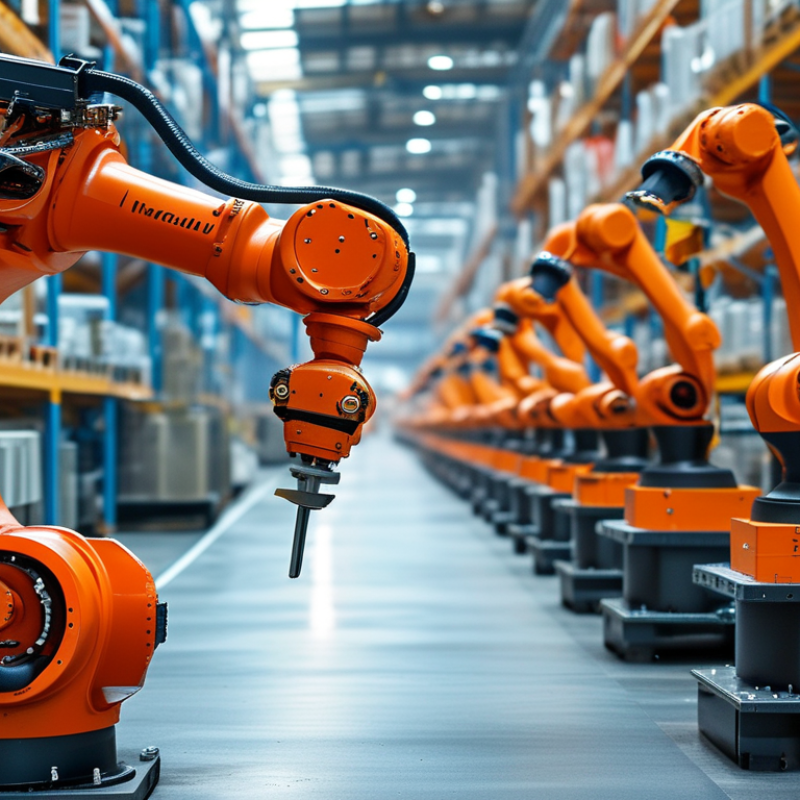
Key Drivers of Industrial Automation Trends in 2023
The industrial automation landscape in 2023 is largely defined by advancements in artificial intelligence and machine learning. According to a recent report by the International Federation of Robotics, AI integration in automation systems is expected to enhance productivity by up to 30% by 2025. This shift allows manufacturers to streamline operations and make data-driven decisions effectively. However, the rapid pace of change raises concerns about workforce adaptation and skills gaps.
Sustainability is another critical driver influencing industrial automation. A study from the World Economic Forum highlights that over 50% of companies are investing in automation technologies to reduce carbon emissions. Automation not only optimizes resource use but also minimizes waste. Yet, achieving sustainability goals remains a challenge, as many firms struggle to align their automation strategies with environmental commitments.
Cybersecurity continues to be a pressing issue as well, with an alarming 70% of industrial organizations reporting cyber threats. As automation systems become more interconnected, ensuring robust security measures is essential. Companies face the dilemma of balancing innovation with the need for secure operations. Addressing these issues is vital for the success of future automation endeavors.
Top Trends in Industrial Automation for Global Buyers - Key Drivers of Industrial Automation Trends in 2023
| Trend |
Description |
Key Drivers |
Expected Impact |
| AI and Machine Learning |
Integration of AI for predictive maintenance and operational efficiency. |
Data availability, Advanced algorithms. |
Reduced downtime and improved productivity. |
| IoT (Internet of Things) |
Connects devices and machines for real-time monitoring. |
Technological advancements, Cost reductions. |
Enhanced data collection and operational insights. |
| Robotics Automation |
Use of robots for repetitive tasks to increase efficiency. |
Labor shortages, Demand for precision. |
Higher throughput and quality consistency. |
| Cloud Computing |
Utilization of cloud for scalability and flexibility in operations. |
Development of cloud technologies, Enhanced internet access. |
Improved collaboration and resource management. |
| Sustainability Initiatives |
Focus on reducing carbon footprints and energy consumption. |
Regulatory pressures, Consumer demand for eco-friendliness. |
Cost savings and enhanced brand reputation. |
Emerging Technologies Shaping the Future of Industrial Automation
Industrial automation is rapidly evolving, driven by emerging technologies. Advanced robotics is transforming manufacturing. These robots can work alongside humans, enhancing efficiency. They perform repetitive tasks, allowing workers to focus on more complex activities.
AI and machine learning are also reshaping the landscape. These technologies analyze data to optimize processes and predict maintenance needs. They help companies reduce downtime and increase productivity. Digital twins, a virtual replica of physical systems, simulate operations and drive improvements.
**Tip:** Invest in training for your team on these tools. Knowledge is key.
Cybersecurity needs attention too. As automation increases, so do risks. Companies must ensure that their systems are secure against potential breaches. Regular assessments of security protocols are essential.
**Tip:** Stay updated on the latest security practices. A robust cybersecurity strategy protects your investments.
Automation is a journey. Embrace the change but remain aware of its challenges. Balancing innovation with security will pave the way for a successful transition.
Top Trends in Industrial Automation
Impact of IoT on Industrial Automation Solutions
The Internet of Things (IoT) is transforming industrial automation. By connecting devices and systems, IoT enhances efficiency and decision-making in factories. Real-time data collection is key. It allows companies to analyze processes and improve performance continuously.
Incorporating IoT solutions can pose challenges. Integration with existing systems might not always be seamless. Some businesses may overlook critical security measures, exposing themselves to risks. Regular audits and updates are essential for safeguarding data integrity.
Tips: Start with small IoT projects. Test different sensors and devices before a full-scale deployment. Engage with experts to ensure well-informed decisions. Adaptability is crucial as technology evolves rapidly. Monitoring trends will keep your business competitive.
Sustainability and Its Role in Automation Practices
Sustainability is reshaping industrial automation. Companies are starting to integrate eco-friendly practices. This shift aligns with global demands for reduced environmental impact. Energy-efficient systems gain traction. More organizations opt for renewable energy sources. Automation systems now prioritize waste reduction.
Industries are exploring circular economy models. These models emphasize repurposing resources. Anecdotal evidence shows that companies implementing sustainable automation see significant savings. Yet, the transition is not without challenges. Many manufacturers struggle with initial costs. Legacy systems can hinder the shift to sustainable solutions.
Training staff on new technologies is crucial. Workers often resist change, fearing job loss. Building a culture of sustainability takes time. Communication and transparency can bridge this gap. Regular feedback from employees can improve adaptation. Overall, while sustainability is essential, finding balance requires ongoing effort and reflection.
Challenges Faced by Global Buyers in Implementing Automation
As industrial automation continues to evolve, global buyers face significant challenges. A recent report from McKinsey highlights that over 60% of organizations struggle with integrating new technologies into their existing systems. This complexity often leads to process disruptions and increased downtime.
Training and skill gaps further complicate this transition. According to industry research by PwC, 49% of companies cite a lack of skilled labor as a primary barrier. This shortage hinders effective implementation of automation solutions. In some cases, organizations invest in technology without addressing workforce readiness. The result? A mismatch between advanced systems and operator capabilities.
Moreover, concerns about cybersecurity are on the rise. A survey by Cognizant found that 55% of businesses worry about cyber threats linked to automation. These fears can prevent organizations from fully embracing technological advancements. A cautious approach may seem wise, yet it can limit potential benefits, creating a paradox for businesses eager to advance.





 Daniel.Ding
 Ding
Ding