What Is the Best Stepper System to Buy in 2026?
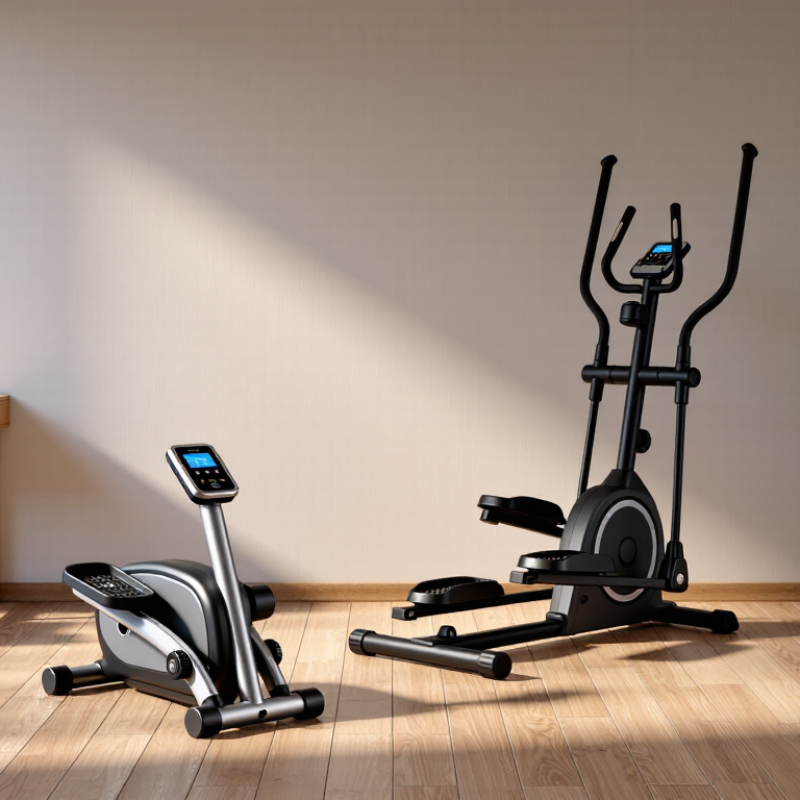
A Stepper System can look impressive in a product photo and still feel awkward after ten minutes. In 2026, the best choice depends on your space, training goals, budget, and willingness to use it regularly. A compact mini stepper may fit beneath a desk, while a vertical climber can demand more room and balance. Neither is automatically better. Small details matter: pedal width, resistance range, frame movement, and the sound it makes on a hard floor.
Exercise physiologist Chris Gagliardi has discussed the value of choosing physical activity you can sustain. For this guide, that becomes a simple buying principle: choose the machine you’ll keep using, not the one with the longest feature list. This is a paraphrase of a broader exercise principle, not a direct quotation about stepper machines. That distinction matters. A machine’s promises do not prove its comfort, durability, or training value.
We’ll compare stepper types, key specifications, and common trade-offs, then explain which features justify a higher price. Look closely at weight limits, warranty terms, and replacement-part support. Also consider your actual routine: a loud or unstable unit may stay unused, even if its console looks advanced. Some product details are difficult to verify before purchase. That deserves caution. The goal is not a perfect machine; it is a reliable fit for your home and your habits.
What a Stepper System Is and How It Works
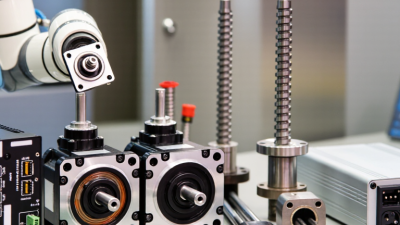
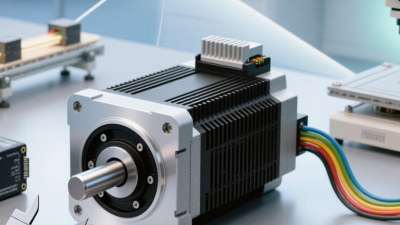
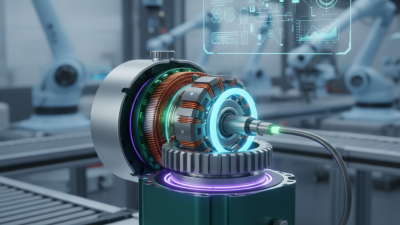
A stepper system converts electrical commands into controlled rotary motion. Its main parts are a stepper motor, a driver, a motion controller, and a suitable power supply. The controller sends timed pulses; the driver turns them into current changes in the motor’s windings. The rotor then moves in small, repeatable increments. That’s the basic idea.
In a machine, the motor may turn a lead screw, belt, or rotary table. Each choice changes how the motion feels. A lead screw can provide controlled linear travel, while a belt often moves quickly but may flex under load. Microstepping divides each full step into smaller commanded movements. It can make motion quieter and smoother, but it does not guarantee matching improvements in positioning accuracy.
Many stepper systems operate open-loop, without measuring the motor’s actual position. If a load is too heavy, acceleration too abrupt, or current setting unsuitable, the motor can miss steps without warning. That detail is easy to overlook. When comparing systems, consider the load, required speed, travel distance, driver settings, and cooling. A system that looks powerful on paper may perform poorly if it is undersized for the real task. Bench testing helps, though even a careful test may not reproduce every working condition.
Key Features That Define Stepper System Performance
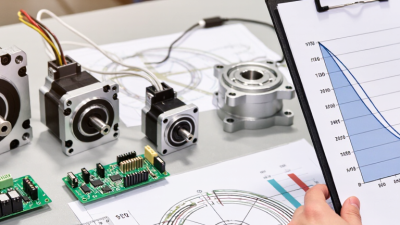
Buying the best stepper system in 2026 means matching its motion to the real load, not choosing the largest torque rating. Check the torque-speed curve at your intended voltage and speed; holding torque can drop sharply while moving. A U.S. Department of Energy sourcebook, Improving Motor and Drive System Performance (2014), reports that motor-driven systems use about 68% of U.S. manufacturing electricity. That figure is not stepper-specific, but it makes drive efficiency worth checking.
Look for a driver with adjustable current, suitable voltage, and protection against overheating. Microstepping can make motion smoother, but it does not guarantee equal gains in positioning accuracy. An encoder-based closed-loop system can detect missed steps and correct motion, though it adds cost and setup complexity. Heat matters. Compare continuous torque and thermal limits, then check whether the motor stays within them during repeated cycles.
Ask for torque data at your operating speed, not only a headline holding-torque figure. Test the actual load, including the coupling, belt, and any vertical movement. I would not trust a resolution number alone; it’s an easy specification to overvalue. Listen for vibration, watch motor temperature, and confirm that the driver fits your control signals. Real machines are messier than catalog examples.
How to Compare Stepper Systems for Different Needs
Choosing a stepper system starts with the task, not the motor’s headline torque. For a small labeling machine, smooth low-speed motion and quiet operation may matter most. A compact CNC axis may need stronger torque at higher speeds, plus a driver that limits resonance. Check the motor, driver, controller, and power supply as a matched set. A capable motor can still perform poorly with an undersized supply or unsuitable settings.
Compare the required load, travel speed, accuracy, and duty cycle under real operating conditions. A system that moves a light carriage on a workbench may struggle with a heavier assembly after hours of use. Watch for heat around the motor and driver, missed steps, and vibration during starts and stops. Small details count. Confirm that the controller supports your existing signals and that wiring is clear enough for routine maintenance. Check the available documentation and technical support, especially if your team will tune the system without outside help. Bench tests help, but they do not reproduce every installation. I once underestimated cable routing; it added friction and made the motion less consistent. That was not the motor’s fault, exactly. Match the system to the actual workload, and leave some room for future changes.
How to Choose the Best Stepper System to Buy in 2026
How to Choose the Best Stepper System to Buy in 2026
Start by matching the stepper to your room, routine, and comfort level. Measure floor space and overhead clearance, then check the machine’s assembled dimensions and maximum user weight. For a stair-style machine, test whether the step height and stride feel natural; short, forced steps can make longer sessions uncomfortable. Look for a stable frame, adjustable resistance, and clear controls. A screen is useful only if you can read it while moving.
The ACSM’s 2025 Worldwide Survey of Fitness Trends ranked wearable technology first and mobile exercise apps second. That signals strong interest in tracking, but it does not prove that connected features improve every workout. Choose a system that records useful basics, such as time, steps, and resistance, without making setup a chore. The WHO recommends adults get 150–300 minutes of moderate-intensity activity weekly; a stepper can help contribute, though it should not be your only movement. Fit matters more.
Tips: If possible, try the machine for several minutes before buying. Listen for rattles, check handrail reach, and notice whether your knees track comfortably. Read the warranty and service terms carefully. I would not choose by console size alone; it is an easy detail to overvalue. Some product specifications also differ in how they define step height, so compare measurements cautiously.
How to Choose the Best Stepper System to Buy in 2026
How to use this chart: These suggested evaluation weights are a practical decision framework, not market-survey results. Compare each machine’s published weight capacity, stepping motion, resistance options, footprint, and console features, then adjust the priorities to suit your space, budget, and training goals.




 Daniel.Ding
 Ding