Why Are Linear Motors Revolutionizing Modern Technology?
Linear motors are transforming modern technology in remarkable ways. These innovative devices convert electrical energy directly into linear motion. Unlike traditional motors, they eliminate the need for rotation, offering unique advantages. Speed and efficiency are enhanced significantly.
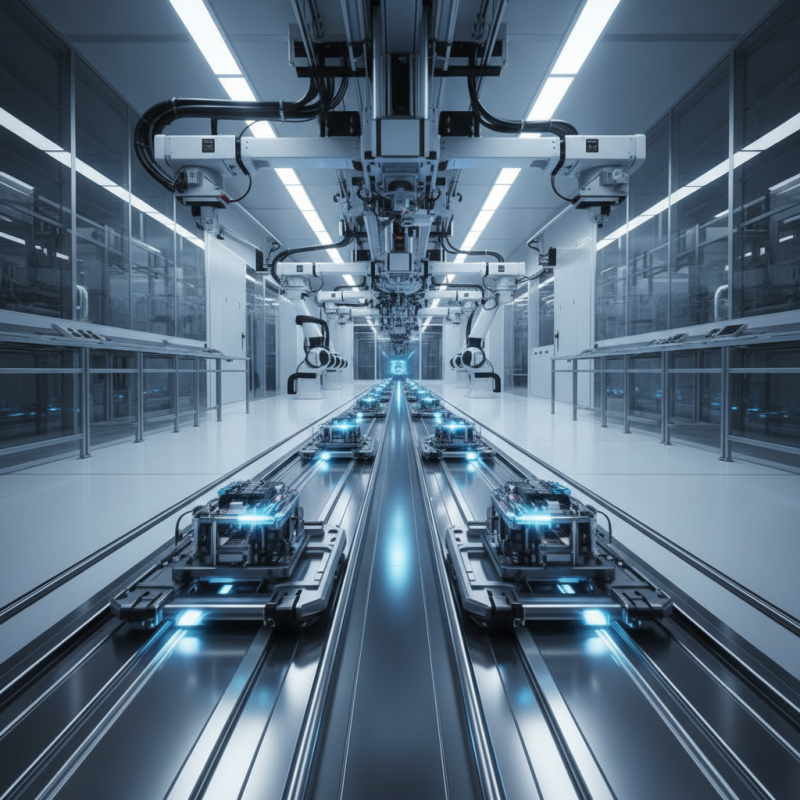
Imagine an assembly line where products move seamlessly, powered by linear motors. Precision control is achieved, resulting in higher quality outputs. Industries from manufacturing to healthcare utilize these motors for automation and robotics.
However, challenges exist. The high costs of linear motors may deter some businesses. Additionally, installation can be complex. Yet, as technology advances, solutions will emerge. Embracing linear motors might be the key to future innovations.
The Evolution of Linear Motors: A Historical Perspective
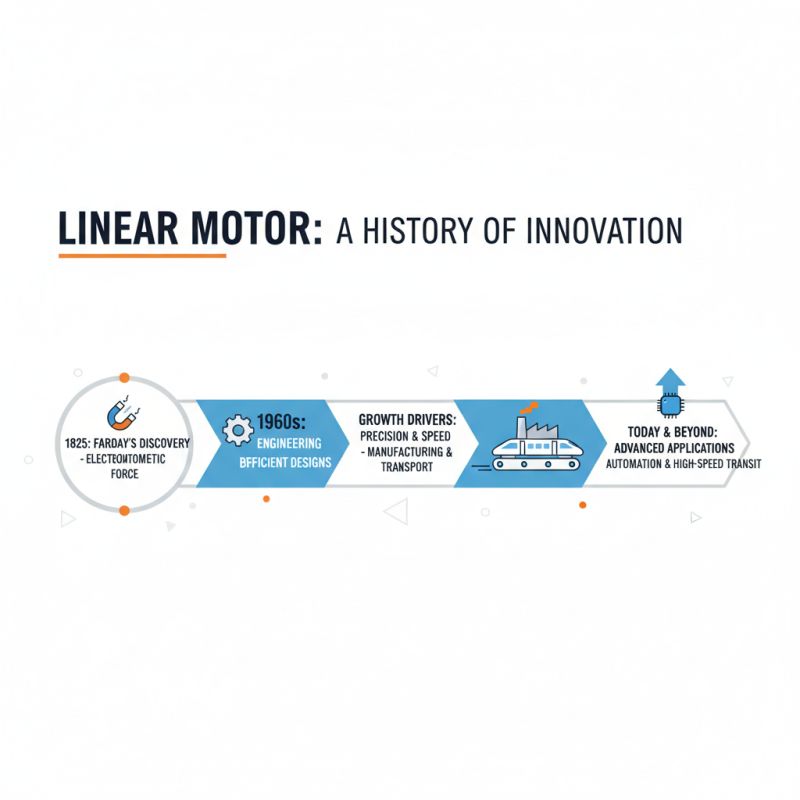
Linear motors have a captivating history that traces back to the early 20th century. The principle of linear motion was first explored in 1825 when Michael Faraday demonstrated the effects of electromagnetic forces. However, practical applications began emerging much later. In the 1960s, advancements in materials and electronics allowed engineers to develop more efficient linear motor designs. Growth in industries demanding precision and speed, like manufacturing and transportation, fueled this progress.
In recent decades, linear motor technology has evolved rapidly. The global linear motor market was valued at approximately $4.3 billion in 2020 and is projected to reach $9 billion by 2026. This astonishing growth reflects the increasing adoption of linear motors in robotics, automation, and even transportation systems like maglev trains. Despite their advantages, challenges remain. Many industries still rely on older technologies. Transitioning to linear motors requires investment and training. Some companies find it hard to incorporate this innovation efficiently.
As we look to the future, the need for continuous improvement is crucial. While the advantages of linear motors are clear, their integration is not without hurdles. The industry must address these issues to unlock the full potential of this groundbreaking technology. The path forward involves innovative solutions and commitment to adaptation.
Key Advantages of Linear Motors Over Conventional Rotary Systems
Linear motors are transforming modern technology with their straightforward design and efficient operation. Unlike traditional rotary systems, linear motors provide direct linear motion, eliminating the need for complex gear mechanisms. This simplicity leads to reduced wear and tear, which can extend the life of machinery. For instance, manufacturing processes become faster, as linear motors can accelerate and decelerate quickly.
Another notable advantage of linear motors is their precise control. They can position components with incredible accuracy. This precision is crucial in fields like robotics and automation. For example, a linear motor can precisely guide a robotic arm, making intricate movements more reliable. However, the initial setup cost can be high. This factor may lead some companies to hesitate in making the switch.
Linear motors also operate quietly, unlike their rotary counterparts. This feature is significant in environments where noise levels must be minimized, such as hospitals. Yet, some users may struggle with the transition from familiar rotary systems. Adapting to new technology can be challenging. Ultimately, the benefits often outweigh these hurdles, paving the way for innovation.
Industry Applications: How Linear Motors Enhance Automation and Precision
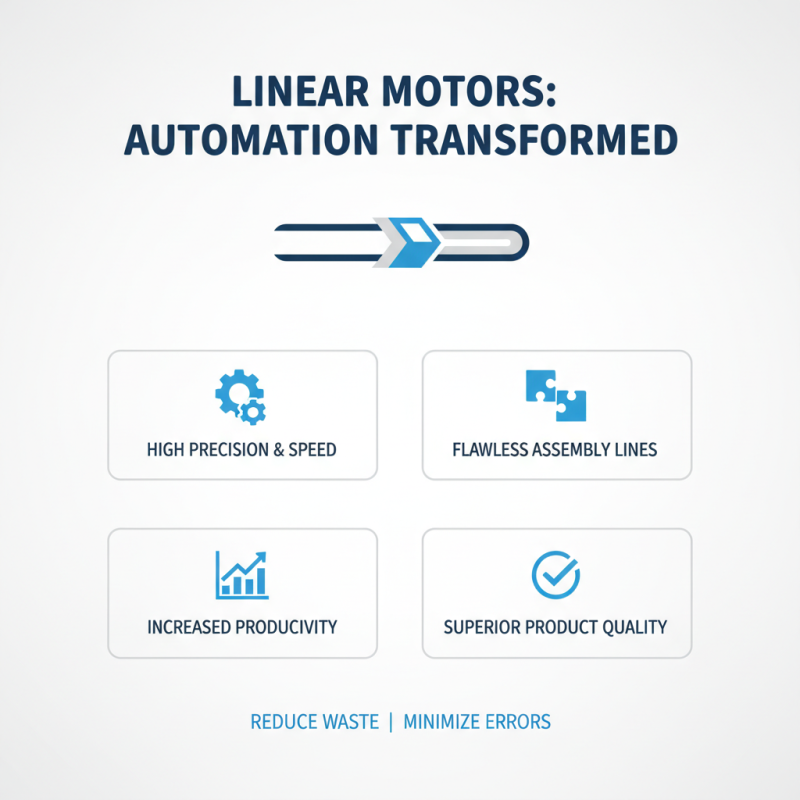
Linear motors are transforming the world of automation. They provide high precision and speed in various industrial applications. In assembly lines, these motors move components quickly and accurately. This enhances productivity and reduces waste. The precision they offer can limit errors in manufacturing, leading to higher quality products.
In robotics, linear motors play a crucial role. They enable fast movements in robotic arms, enhancing their efficiency. This leads to improved task performance in fields like electronics and automotive industries. However, implementing linear motors may require a learning curve. Engineers must understand how to integrate them effectively.
Moreover, there are challenges in adapting existing systems. Retrofits can be complex and costly. Also, maintenance can be a concern due to the precision required. Despite these challenges, the benefits of linear motors in enhancing automation and precision cannot be overlooked. Each industry must assess its needs to use this technology effectively.
Performance Data: Efficiency Gains and Speed Comparisons in Real-World Use
Linear motors are changing the landscape of various industries. They offer a unique combination of efficiency and speed. Recent data shows that linear motors can achieve speeds up to 5 meters per second. In contrast, traditional rotary motors often lag behind at just 1 meter per second. This speed advantage is crucial in applications like automation and transportation.
The efficiency gains are equally impressive. Linear motors can operate at about 90% efficiency in optimized conditions. This is significantly higher than the typical 60-70% efficiency of rotary motors. However, it's important to note that these figures can vary based on external factors. Environmental conditions, installation quality, and maintenance play a role in performance.
In real-world applications, such as conveyor systems, the reduced wear and tear on components lead to longer lifespans. Yet, users must remain cautious about potential alignment issues. These factors can affect overall performance. A detailed analysis of operational parameters can reveal insights that fuel further improvements in technology.
Why Are Linear Motors Revolutionizing Modern Technology?
| Application |
Efficiency (%) |
Max Speed (m/s) |
Acceleration (m/s²) |
Energy Consumption (kWh) |
| Industrial Automation |
90 |
3.5 |
15 |
0.05 |
| Automotive Systems |
85 |
4.0 |
20 |
0.075 |
| Medical Equipment |
95 |
2.5 |
10 |
0.03 |
| Robotics |
88 |
5.0 |
25 |
0.1 |
| 3D Printing |
92 |
1.8 |
5 |
0.04 |
Future Trends: Innovations Driving the Next Generation of Linear Motors
The linear motor technology is evolving rapidly, spurred on by innovations that redefine its applications. Industry reports indicate that linear motor markets are expected to grow at a compound annual growth rate (CAGR) of 8.5% through 2026. This growth is driven by increasing demand for precision and speed in various sectors. For instance, in automation and robotics, linear motors provide high efficiency, reducing cycle times in manufacturing processes.
Future innovations are focusing on enhancing the performance of linear motors. Some experts suggest integrating advanced control systems to improve responsiveness. Other trends include the development of more compact designs without sacrificing power. Research shows that energy efficiency can be boosted by up to 20% through these advancements. However, challenges remain, including heat management and cost-effectiveness of new materials. Innovative materials may offer better performance, but they can also lead to higher production costs, which is a dilemma for manufacturers.
As the industry progresses, it becomes crucial to balance performance enhancements with practical applications. There is a risk of over-engineering components, leading to complex systems that may not serve their intended functions effectively. Continuous feedback from real-world applications will be essential to refine designs further and ensure that the innovations meet market needs.
Impact of Linear Motors on Various Industries
This chart illustrates the impact level of linear motors across various industries. The levels are rated from 1 to 10, indicating how significantly linear motors are transforming each sector. The automotive and manufacturing industries show the highest impact, reflecting the extensive applications of linear motors in automation and precision engineering.



 Daniel.Ding
 Ding
Ding