How to Choose the Best Linear Motor for Your Applications?
Choosing the right Linear Motor for your application is crucial for efficiency and performance. The linear motor industry is rapidly evolving, with a projected growth of over 10% annually, according to a report by Market Research Future. This growth highlights the importance of making informed decisions. Experts emphasize that understanding your specific needs can make a significant difference.
Dr. Emily Carter, a respected authority in motion control systems, states, "Selecting the right Linear Motor involves more than just specifications; it’s about compatibility with your entire system." Her insights resonate with engineers dealing with complex automation tasks. The right Linear Motor can enhance productivity, reduce maintenance, and improve overall system reliability.
However, the abundance of options can be overwhelming. Not all Linear Motors are created equal. Evaluating aspects such as torque, speed, and environmental conditions is essential. Companies often overlook these factors, leading to suboptimal performance. The best choice reflects a balance between technical specifications and practical requirements. Investing time in research is not just beneficial; it’s necessary to avoid costly mistakes.
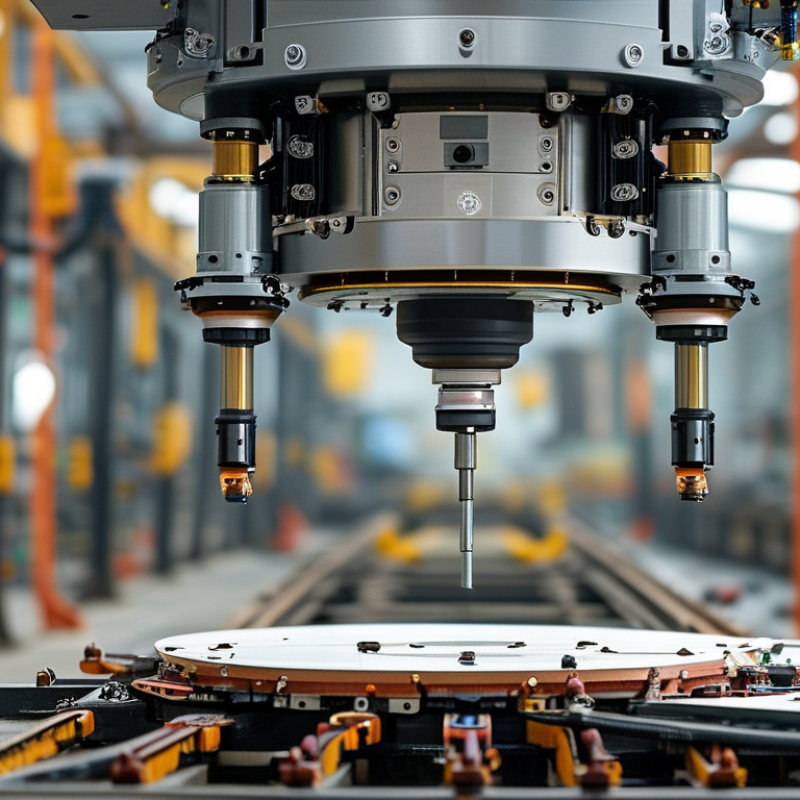
Understanding Linear Motors: Types and Applications
Linear motors are essential in various applications. They provide direct motion and high precision. Understanding the types of linear motors can help you choose the right one. Essentially, there are three primary types: electromagnetic, piezoelectric, and voice coil motors. Each type has its strengths and weaknesses.
Electromagnetic motors are widely used in industrial settings. They excel in heavy-load scenarios but can generate heat. This heat requires careful management, which might not suit every application. Piezoelectric motors are more compact and can achieve higher speeds. However, they often struggle with larger loads. Voice coil motors provide excellent response times but are limited in travel distance.
Evaluating the application is crucial. Consider the load, speed, and required precision. Also, think about environmental factors. For example, dust and temperature can significantly affect performance. Sometimes, a hybrid approach may be necessary to meet all criteria. Balancing these factors can lead to better outcomes, though it won’t always be straightforward.
Key Factors in Selecting the Right Linear Motor
When selecting a linear motor for your application, understanding key factors is crucial. The first element to consider is the load requirements. You need to determine the weight and dynamics of the items the motor will handle. Inadequate calculations can lead to underperformance or overloading. Additionally, speed and acceleration specifications are vital. Evaluating how fast your application needs to operate will influence your motor choice.
Another important aspect is the type of linear motor you require. There are various designs, including electromagnetic and stepper motors. Each design has its advantages and limitations, which can affect performance and efficiency. It’s essential to understand the trade-offs. Do you need high precision or high speed? Maybe you prioritize energy efficiency? Assess these needs carefully.
Finally, consider environmental factors. The operating conditions, such as temperature and humidity, can impact motor performance. Not all linear motors are designed for harsh environments. Reflection on these conditions is necessary to ensure reliability over time. Each factor plays a significant role, and overlooking any can lead to unsatisfactory results.
Evaluating Performance Specifications for Linear Motors
When choosing a linear motor, performance specifications are crucial. Look for parameters like force output, speed, and precision. These factors directly affect the motor's suitability for your specific application. A motor with higher force may seem better, yet it could require more energy, leading to increased operational costs.
Consider the characteristics of your application. For example, if high speed is essential, ensure the motor can maintain performance over time without overheating. Precision is another critical component; a motor that lacks accuracy may result in subpar outcomes. Evaluate how each specification aligns with your operational needs.
You might also need to reflect on the environment where the motor will function. Factors like temperature, humidity, and exposure to dust can impact performance. Sometimes, motors can behave differently under varied conditions. Understanding these variables helps in selecting a reliable motor. Opting for performance without thorough evaluation may lead to regrets later, especially when the motor fails to meet real-time demands.
How to Choose the Best Linear Motor for Your Applications? - Evaluating Performance Specifications for Linear Motors
| Specification |
Description |
Value |
| Max Speed |
The maximum speed achievable by the linear motor. |
10 m/s |
| Max Force |
The peak force the motor can generate. |
300 N |
| Stroke Length |
The distance the motor can move in one cycle. |
500 mm |
| Resolution |
The smallest incremental movement that can be achieved. |
0.1 mm |
| Cooling Method |
The technique used to dissipate heat generated by the motor. |
Air-cooled |
| Power Rating |
The total electrical power the motor can handle. |
1.5 kW |
| Efficiency |
The ratio of output power to input power. |
85% |
| Dimensions |
Physical size of the motor. |
300 x 200 x 100 mm |
| Weight |
Total weight of the motor. |
10 kg |
Assessing Compatibility with Existing Systems and Components
Choosing the right linear motor is crucial for optimizing production efficiency. Evaluating compatibility with your existing systems is key. According to industry reports, nearly 40% of integration issues arise from mismatched components. Therefore, understanding your current setup is essential.
Start by assessing the existing drive systems and controls. Linear motors may require specific controllers. If mismatched, performance suffers. A recent study found that up to 30% of system downtime is linked to control incompatibilities. Knowledge about your existing protocols and communication standards can help in selecting appropriate linear motors.
Consider also the physical dimensions. Many industries have tight space constraints. Linear motors come in various sizes. An ill-fitting motor can lead to significant operational issues. The 2022 report highlighted that size discrepancies affect efficiency by up to 25%. A thorough compatibility assessment can mitigate these risks, ensuring seamless integration and enhanced overall performance.
Selecting the Right Linear Motor: Compatibility Assessment
Cost Considerations and Budgeting for Linear Motor Solutions
Choosing the right linear motor involves careful budgeting. The average cost of linear motors has shown a steady increase, with reports indicating a rise of approximately 5-7% annually. This trend reflects broader supply chain issues and rare material shortages impacting manufacturing costs.
When budgeting for linear motor solutions, consider application-specific requirements. Motors vary significantly in specifications like speed, force, and size. For instance, industrial automation might require high-speed motors, which are often more expensive. The investment can range widely, from $1,000 to over $10,000 per unit, depending on those specifications. Companies must weigh the long-term benefits against initial costs to ensure ROI.
Moreover, hidden costs can emerge. Installation, maintenance, and training need attention. Research indicates that businesses often overlook these aspects, leading to budget overruns. A report highlighted that up to 30% of total costs can arise post-purchase due to underestimating these factors. Thus, knowing the total cost of ownership is essential before making a decision. A detailed analysis can save money and enhance operational efficiency in the long run.






 Daniel.Ding
 Ding
Ding