China Top 10 Stepper Drive Manufacturers You Need to Know?
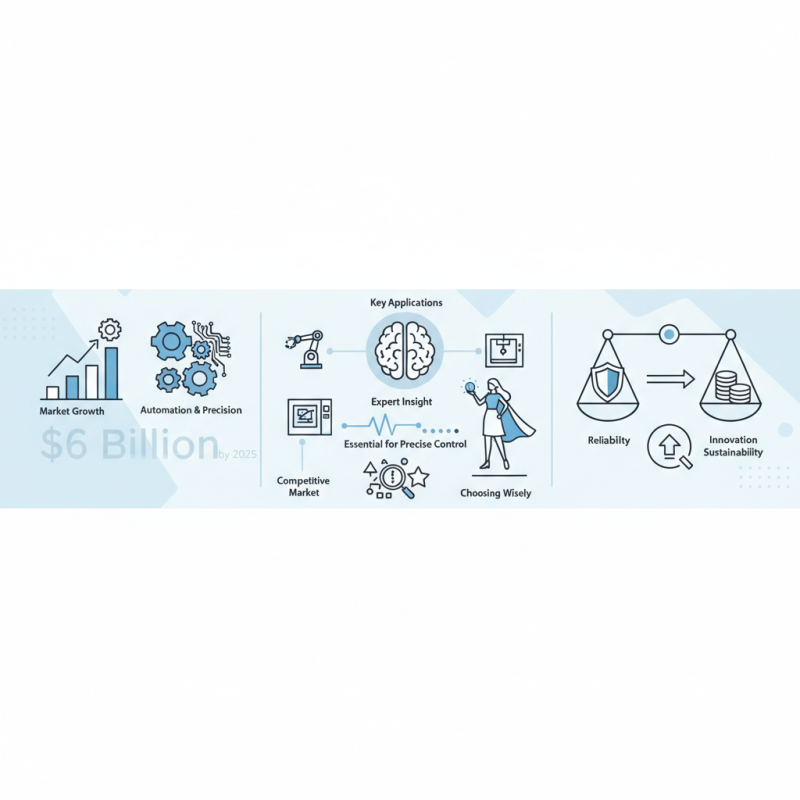
The rise of automation is driving demand for high-quality Stepper Drive technology. Prominent market research shows that the global stepper motor market is projected to grow significantly, reaching over $6 billion by 2025. As industries shift towards smart manufacturing, stepper drives are playing a crucial role in enhancing precision and efficiency.
Expert in motion control systems, Dr. Jane Liu, states, "Stepper drives are essential for applications requiring precise control." Her insights highlight the importance of these devices in robotics, CNC machinery, and 3D printing. Despite China being a leader in stepper drive manufacturing, it faces challenges, including quality control and innovation sustainability.
Choosing the right manufacturer is vital. Some brands excel in reliability, while others focus on affordability. As the industry evolves, companies must balance cost with performance. In an increasingly competitive market, understanding the strengths and weaknesses of top manufacturers is key to leveraging stepper drives effectively.
Overview of Stepper Drive Technology in China
Stepper drive technology has gained significant traction in China, driven by advancements in automation and robotics. As of 2023, the market for stepper drives is estimated to grow at a compound annual growth rate (CAGR) of over 7%. This growth reflects the increasing demand for precision control in various applications, such as 3D printing, CNC machining, and semiconductor manufacturing.
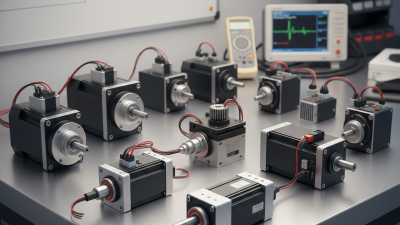
The technology primarily relies on stepper motors, which convert electrical energy into precise mechanical movement. One compelling aspect is their ability to achieve high precision without requiring feedback systems, making them cost-effective. However, this technology is not without challenges. The reliance on open-loop systems can lead to issues such as missed steps and heating, affecting performance. Reports indicate that around 15% of users have experienced significant reliability issues due to these limitations.
Notably, China's stepper drive market is also influenced by the shift towards Industry 4.0. Companies are integrating Internet of Things (IoT) capabilities with stepper drives for enhanced control. This integration, while promising, introduces complexity and may require additional training. Furthermore, the industry often needs to bridge the gap between rapid technological advancements and user adaptability, highlighting an area for ongoing reflection and improvement in the market.
China Top 10 Stepper Drive Manufacturers You Need to Know
| Manufacturer |
Year Established |
Headquarters |
Market Share (%) |
Product Range |
| Manufacturer 1 |
1995 |
Beijing |
25 |
Standard Steppers |
| Manufacturer 2 |
2001 |
Shanghai |
20 |
High Torque Steppers |
| Manufacturer 3 |
2010 |
Shenzhen |
18 |
Micro Steppers |
| Manufacturer 4 |
1998 |
Guangzhou |
15 |
Closed Loop Steppers |
| Manufacturer 5 |
2005 |
Hangzhou |
12 |
NEMA Steppers |
| Manufacturer 6 |
2012 |
Nanjing |
10 |
Stepper Drive Controllers |
| Manufacturer 7 |
2000 |
Tianjin |
8 |
Low Voltage Steppers |
| Manufacturer 8 |
2009 |
Sichuan |
5 |
Customized Steppers |
| Manufacturer 9 |
2003 |
Chengdu |
4 |
Dual Shaft Steppers |
| Manufacturer 10 |
1997 |
Xian |
3 |
Brushless Steppers |
Key Features and Benefits of Stepper Drives
Stepper drives play a crucial role in precision motion control systems. Their ability to convert electrical pulses into precise mechanical movements makes them essential in various industries. Key features often include high accuracy, reliability, and the capacity to handle demanding applications. A well-designed stepper drive can achieve precise positioning, which is vital in automation tasks.
Consider the torque output of a stepper drive. It's important to choose a model that meets the specific requirements of your application. If the torque is insufficient, it can lead to missed steps and reduced performance. Regular maintenance and adjustments can enhance durability and efficiency, leading to better overall results.
When implementing stepper drives, avoid common pitfalls. Ensure proper alignment with the load to prevent wear and tear. Inadequate power supply can also impact performance. Testing the system under various conditions is advisable. Don't overlook the integration with control systems. This relationship is key to achieving optimal performance.
Criteria for Evaluating Top Stepper Drive Manufacturers
When evaluating top stepper drive manufacturers, several criteria stand out.
One essential factor is product quality.
High-quality stepper drives typically have a longer lifespan and better performance.
According to industry data, the failure rates of components can vary significantly.
Drives known for durability contribute positively to system reliability.
Another important criterion is the manufacturer's experience in the field.
Companies with years of expertise often understand market demands and technology evolution.
Research indicates that manufacturers with over a decade in the industry provide products with better efficiency, enhancing overall machine performance.
It's crucial to check the development history of a potential partner.
Price is also a consideration, though not the only one.
Balancing cost with features is vital. Affordable products might compromise quality, leading to higher long-term costs.
Conduct a value assessment rather than a price comparison.
Tips:
Look for manufacturers that offer warranties or guarantees.
This can provide insight into their confidence in product performance.
Seek references from industries similar to yours.
Peer feedback is invaluable for understanding performance in real-world applications.
The stepper drive market is evolving.
Manufacturers must adapt to new technologies and customer needs, emphasizing the need for ongoing assessment of manufacturers.
Profiles of the Top 10 Stepper Drive Manufacturers in China
When exploring the landscape of stepper drive manufacturing in China, it's essential to acknowledge the key players in the industry. Many manufacturers offer innovative solutions and reliable products that cater to a range of applications. Their technologies vary in design and capability, contributing significantly to automation, robotics, and precision engineering.
Each manufacturer has its own strengths. Some excel in high torque output while others focus on energy efficiency. This diversity can seem overwhelming. Understanding specific needs is vital. Take the time to analyze your requirements before selecting a manufacturer.
Tips: Always consider the reputation and feedback from previous clients. It provides insights into reliability and product quality. A good manufacturer should also offer excellent support and warranty services.
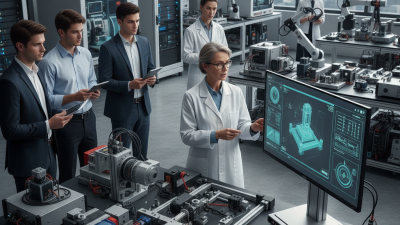
The selection process may reveal inconsistencies in production quality. Some manufacturers may prioritize cost over quality. Conduct thorough research to avoid disappointments later. Evaluate sample products whenever possible. Testing can reveal the true performance of a stepper drive in your application.
Market Trends and Future of Stepper Drive Industry in China
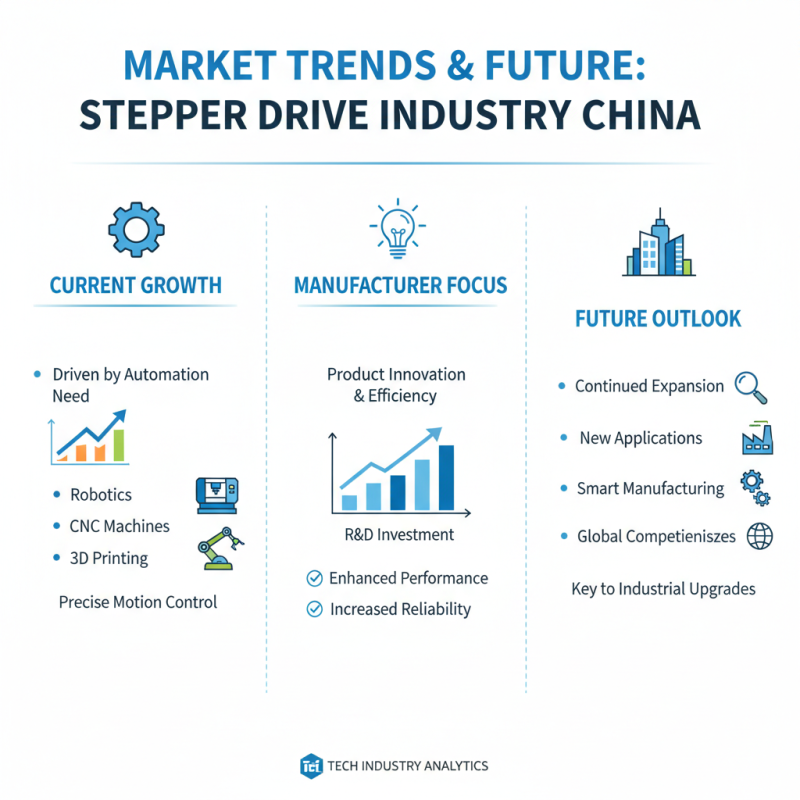
The stepper drive industry in China is experiencing significant growth driven by automation needs across various sectors. Industries such as robotics, CNC machines, and 3D printing are increasingly relying on precise motion control. As a result, manufacturers are focusing on product innovation and efficiency. Companies are investing heavily in research and development to enhance performance and reliability.
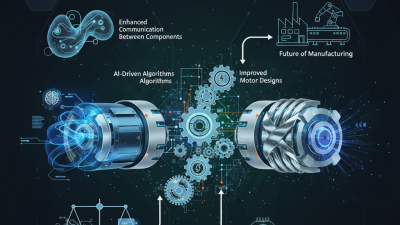
Market trends suggest a shift towards compact and energy-efficient stepper drives. Customers are seeking solutions that provide higher torque and better heat management. This includes the integration of advanced materials and smart technologies, which can adapt to varying operational conditions. However, the industry faces challenges like fierce competition and the need for constant technological upgrades. Not all companies can keep pace with rapid changes.
There's a growing demand for sustainable practices within the stepper drive sector. Companies must address environmental concerns while meeting production goals. Striking a balance between sustainability and performance is critical. This includes reducing waste and improving energy efficiency in manufacturing processes. The industry continues to evolve, reflecting broader technological and ecological trends.




 Daniel.Ding
 Ding
Ding