China Best Motion Control Technologies for Automation and Robotics?
In recent years, China has emerged as a leader in motion control technologies. These advancements drive automation and robotics across various industries. The integration of motion control systems enhances precision and efficiency in manufacturing processes.
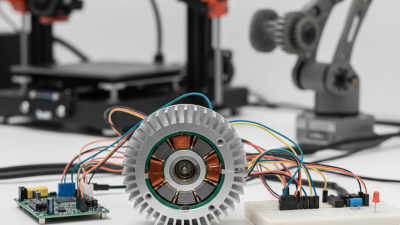
Motion control refers to the use of technology to manage the movement of machinery. It plays a crucial role in robotics, allowing for smoother and more accurate operations. With China's robust research and development, various motion control solutions have come to the forefront. These solutions include servo motors, drives, and programmable logic controllers.
While many companies excel in this field, there is still room for improvement. Some firms struggle with scalability. Others focus more on innovation than reliability. Addressing these challenges is essential for sustaining growth in the motion control market. With ongoing advancements, China's motion control technologies are set to redefine the automation landscape.
Overview of Motion Control Technologies in China
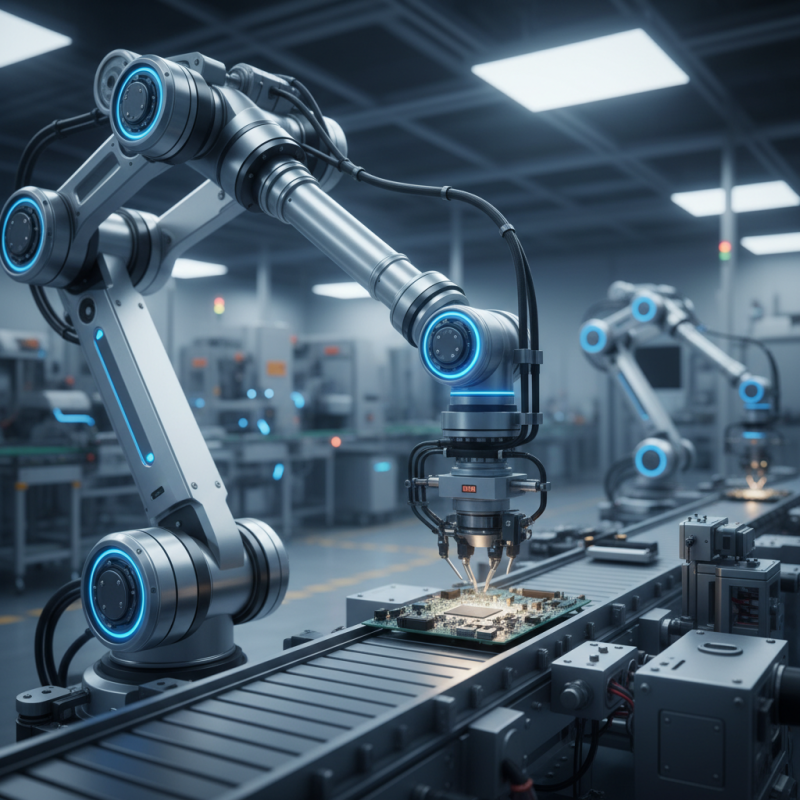
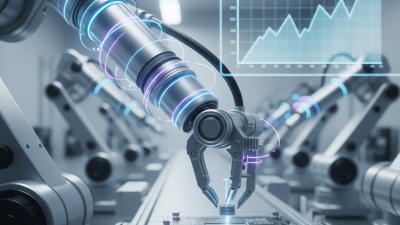
China is rapidly advancing in motion control technologies, essential for automation and robotics. These technologies enhance precision and efficiency across various industries. From automotive to electronics, motion control systems optimize performance. Chinese companies are increasingly focusing on developing intelligent control systems and algorithms. This focus is evident in research centers and universities, pushing the boundaries of what's possible.
When selecting motion control systems, consider compatibility with existing equipment. Evaluate the system’s flexibility to accommodate future upgrades. Tips: Always assess the speed and accuracy of the systems. Look for user-friendly interfaces that streamline operations.
The industry faces challenges. Many companies struggle with integration across platforms. Collaboration among sectors is vital for overcoming these hurdles. Continuous training for engineers and technicians can improve implementation and maintenance. Tips: Invest in comprehensive training programs. Encourage a culture of innovation within teams.
China Best Motion Control Technologies for Automation and Robotics
| Technology Type |
Key Features |
Applications |
Market Growth Rate |
Trends |
| Servo Motors |
High precision, excellent torque control |
Robotics, CNC machines |
12% CAGR |
Integration with AI |
| Stepper Motors |
Reliable, cost-effective for precise positioning |
3D printers, medical devices |
10% CAGR |
Miniaturization trends |
| Linear Actuators |
Compact design, high speed |
Automated assembly, packaging |
15% CAGR |
Smart factory integration |
| Industrial Motion Controllers |
Advanced algorithms, user-friendly interfaces |
Robotic arms, conveyor systems |
9% CAGR |
Integration with IoT |
Key Players in China's Motion Control Market
China's motion control market continues to evolve, driven by advancements in automation and robotics. According to a recent industry report, the market is projected to grow at a CAGR of 10.3% from 2022 to 2026. Key players in this sector include companies specializing in servo motors, drives, and programmable logic controllers (PLCs). Each of these components has become essential in improving efficiency and precision in industrial applications.
Many manufacturers have invested heavily in R&D, focusing on smart technologies. Some still lag in automation adoption. This reflects a need for continual improvement and innovation. Understanding the market landscape helps businesses identify collaboration opportunities with local tech firms. This can enhance the development of tailored solutions for specific needs.
Tip: Evaluate your motion control systems regularly. Monitor performance and assess if upgrades are necessary. This can prevent unexpected downtimes.
The presence of multiple suppliers contributes to a competitive environment. Emerging firms are introducing cutting-edge products, often at lower prices. However, quality concerns can arise. Buyers must weigh cost against reliability. Robust data analysis on system performance can guide informed purchasing decisions.
Tip: Always conduct a thorough supplier assessment. Prioritize reliability and service support over price alone.
China's Motion Control Technologies Market Overview
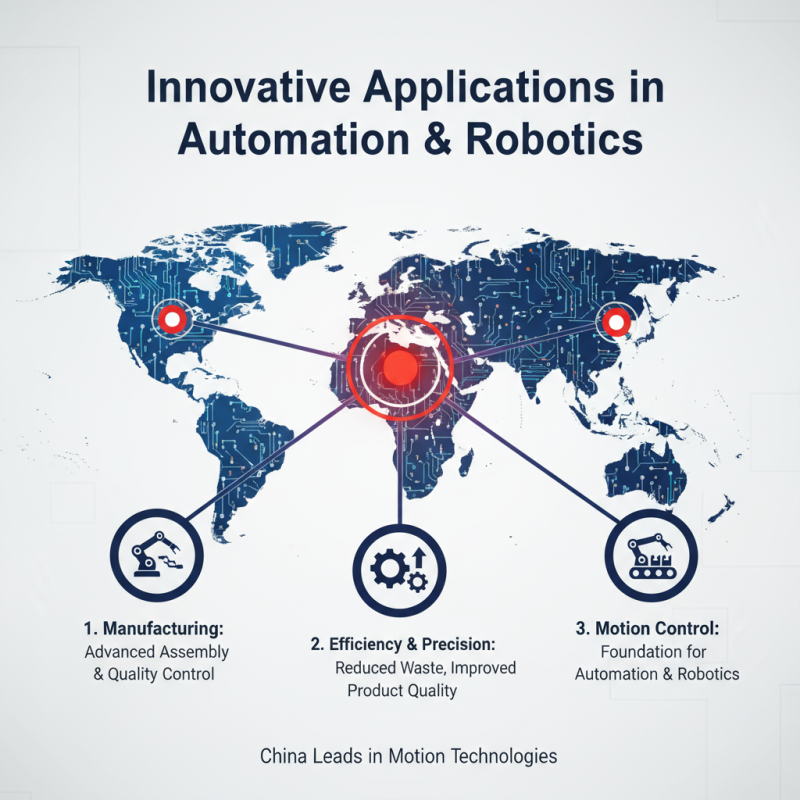
Innovative Applications in Automation and Robotics
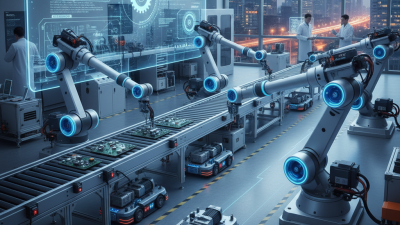
China is making significant strides in motion control technologies, particularly for automation and robotics. The demand for precision and efficiency drives innovations in this field. Unique applications are emerging, reflecting the needs of various industries. For instance, industries like manufacturing utilize advanced motion control to enhance assembly line efficiency. These systems improve product quality and reduce waste.
Several sectors are benefiting from automation. Robotics in agriculture automates planting and harvesting. Remote-controlled drones optimize crop monitoring. These solutions show the adaptability of motion control. However, challenges remain. The integration of these technologies often requires substantial investment and skilled personnel. The training demands can be a barrier for some companies.
Field testing reveals that not all implementations run smoothly. Technical glitches can arise, affecting production rates. Adapting to new technologies is a learning curve. Companies must remain vigilant and responsive to these issues. Striking the right balance between innovation and practicality is essential for success. The evolution of motion control in China demonstrates a commitment to improvement and adaptation, even amid challenges.
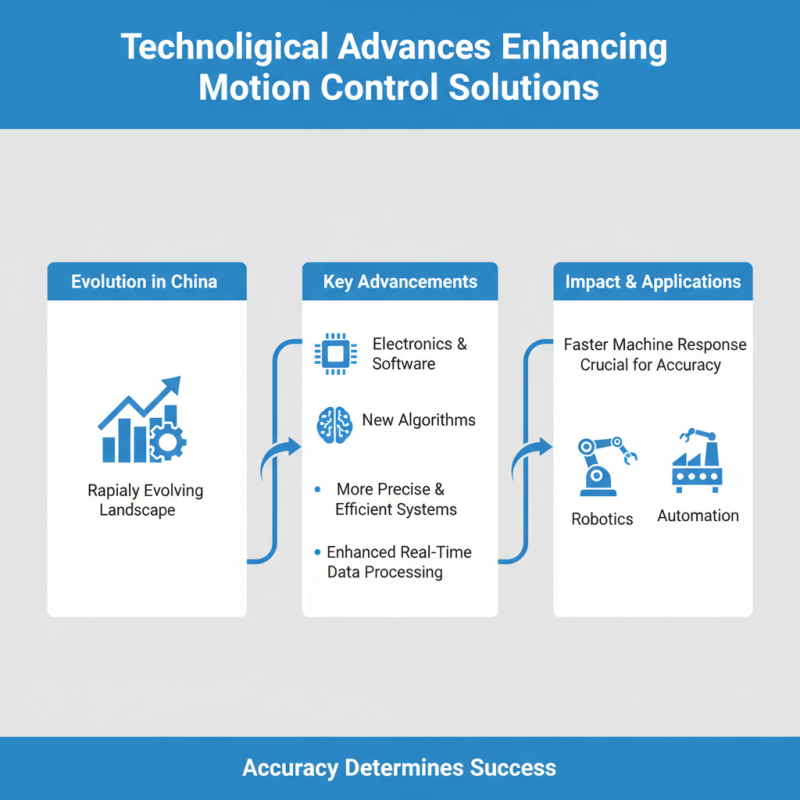
Technological Advances Enhancing Motion Control Solutions
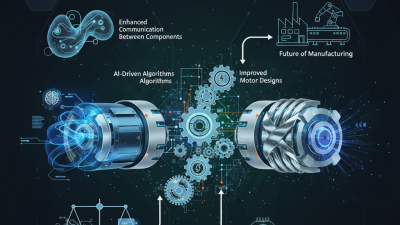
The landscape of motion control technologies is rapidly evolving in China. With advancements in electronics and software, systems are now more precise and efficient than ever. New algorithms enhance real-time data processing, enabling machines to respond quickly. This is crucial for applications in robotics and automation where accuracy determines success.
Many industries are adopting these technologies. For example, assembly lines benefit from improved motion control, reducing downtime and increasing productivity. However, challenges remain. Integration of new systems can be complex. Some firms struggle to modify existing setups. Training employees is often necessary and not all organizations can invest in proper education.
Another notable trend is the increasing use of AI in motion control. Smart algorithms optimize movements based on learned data. These developments push the boundaries of traditional methods, offering enhanced performance. Still, reliance on AI can pose risks. If systems fail, outcomes might be unpredictable. Organizations need to consider these potential pitfalls while exploring new solutions.
Challenges and Future Trends in China's Motion Control Industry
China's motion control industry faces significant challenges. The rapid pace of technological advancement demands constant innovation. According to a report by the China Automation and Robotics Association, the motion control market is projected to grow at a rate of 15% annually. Yet, many companies struggle to keep pace.
Talent shortages hinder progress. Educational institutions are not producing enough skilled workers. A 2022 survey highlighted that 70% of companies reported difficulties in hiring qualified personnel. This gap may slow down the adoption of new technologies. Moreover, many firms face outdated infrastructure, restricting their ability to compete internationally.
Future trends indicate a shift towards integration with AI and IoT. Industry experts foresee that 40% of motion control systems will incorporate AI by 2025. While this evolution holds promise, many companies will need to invest heavily to upgrade their current systems. The path is fraught with obstacles, yet the potential rewards could reshape the industry.




 Daniel.Ding
 Ding
Ding