Why is Motion Control Essential for Modern Automation Solutions?
In the realm of modern automation, Motion Control stands as a cornerstone of efficiency and precision. According to Dr. Emily Chen, a renowned expert in the field of robotics, "Motion Control systems empower machines to perform tasks with unparalleled accuracy." Her insights reflect the growing importance of Motion Control in enhancing the performance of automated systems.
As industries evolve, the need for sophisticated Motion Control solutions has become paramount. These systems enable machinery to execute complex movements seamlessly, thereby increasing productivity and reducing errors. In manufacturing, for instance, Motion Control facilitates everything from robotic assembly lines to precision cutting tools. The demand for high-speed and accurate operations drives the need for innovation within this sector.
However, it is essential to acknowledge that not all Motion Control implementations are flawless. Some industries still struggle with integration challenges. Furthermore, the rapid pace of technological advancement can sometimes outstrip a company’s ability to adapt. This calls for reflection on how organizations can effectively implement Motion Control solutions to meet their evolving needs. The journey toward optimal automation is ongoing, and understanding the role of Motion Control is crucial for future success.
The Role of Motion Control in Automation Systems
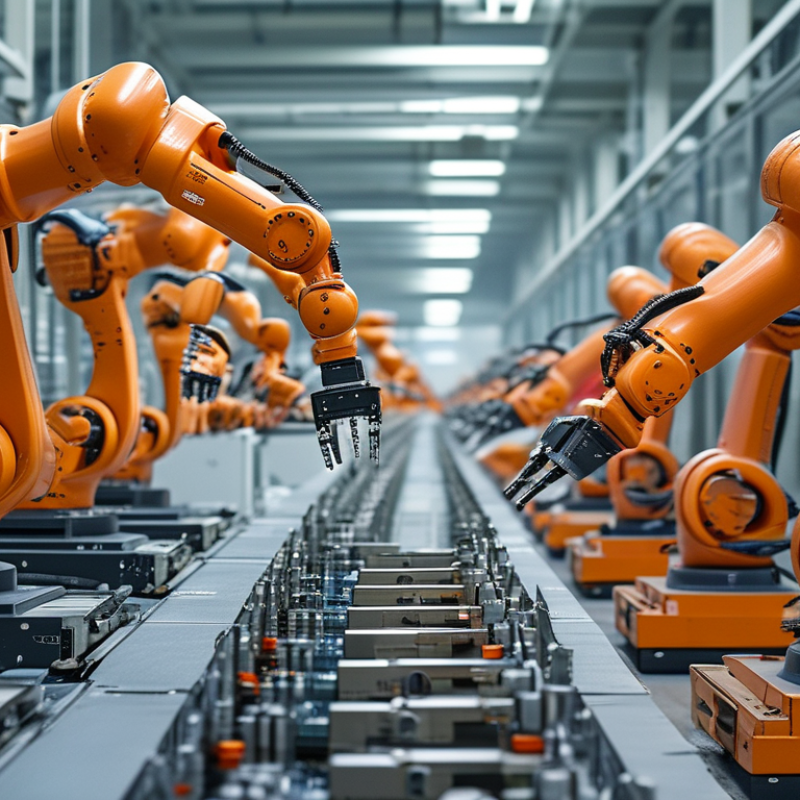
Motion control plays a crucial role in today’s automation systems. It enables devices to achieve precise movements, essential for tasks ranging from robotic arms to conveyor belts. The integration of motion control allows machines to operate reliably and efficiently, enhancing production quality. Automation systems without effective motion control can face significant issues, such as misaligned products or delays in production.
In many applications, accuracy is non-negotiable. For instance, in an assembly line, a small error can lead to substantial wastage of materials. This highlights the importance of fine-tuning motion parameters. Engineers often face the challenge of balancing speed and accuracy. Rapid movements generate high productivity, but they can lead to inaccuracies if not managed properly.
Moreover, motion control systems must adapt to changing environments. Variabilities in workload or equipment condition require constant adjustments. Ignoring these aspects can result in equipment failure or safety hazards. Continuous monitoring and feedback loops are necessary for maintaining system integrity. This need for flexibility underscores the dynamic nature of modern automation. Understanding motion control deeply fosters innovation in automation, pushing industry performance forward.
Types of Motion Control Technologies Used Today
Motion control technologies are pivotal in modern automation. They enhance precision and efficiency across various applications. From robotics to conveyor systems, these technologies are integral in facilitating complex tasks.
Servo motors stand out among motion control types. They offer accurate position control and quick response times. This makes them ideal for robotic arms and CNC machines. Stepper motors are another option that provides good reliability. They are often used in 3D printers and simple automation tasks. Each technology has unique advantages and challenges. The right choice depends on the application requirements.
Another significant technology is programmable logic controllers (PLCs). They enable detailed programming for various motion tasks. However, integrating them can be complex. Often, user knowledge is essential for troubleshooting. Induction motors are prevalent in larger systems. They are powerful but may lack precision in certain settings. Understanding these technologies is crucial for effective implementation.
Key Benefits of Motion Control in Modern Applications
Motion control systems have become indispensable in modern automation applications. They enable precise movements in robots and machinery, which is crucial for tasks that require accuracy. For instance, a motion-controlled robotic arm can position components within millimeters, reducing errors in manufacturing. This precision not only enhances product quality but also optimizes the overall production process.
Another significant benefit of motion control is efficiency. Automated systems can operate continuously, maintaining high speeds without fatigue. This leads to increased output, especially in repetitive tasks like assembly or packaging. However, there are challenges, such as the need for careful calibration. Incorrect settings can lead to equipment failures or inefficient operations, which can hinder productivity.
Furthermore, motion control technologies can integrate with advanced technologies like AI and IoT. This integration allows for real-time monitoring and adjustments based on environmental changes. Yet, the complexity of these systems can present obstacles. Technical expertise is required to manage and maintain them effectively, ensuring reliable performance in various applications.
Why is Motion Control Essential for Modern Automation Solutions? - Key Benefits of Motion Control in Modern Applications
| Benefit |
Description |
Application Areas |
Impact on Efficiency |
| Precision Control |
Allows for intricate movements with high accuracy. |
Robotics, CNC Machining |
Reduces waste and increases product quality. |
| Increased Productivity |
Enhances output rates by optimizing motion paths. |
Assembly Lines, Packaging |
Shortens cycle times leading to higher throughput. |
| Energy Efficiency |
Minimizes energy consumption through smart motion control. |
Material Handling, Conveyor Systems |
Lowers operational costs and supports sustainability. |
| Flexibility |
Easily adjustable for different tasks or products. |
Custom Manufacturing, Tech Development |
Improves ability to adapt to changing demands. |
| Enhanced Safety |
Incorporates safety protocols reducing accidents. |
Automated Warehouses, Robotic Arms |
Promotes a safer working environment. |
Integration of Motion Control with Other Automation Technologies
Motion control systems are crucial in modern automation solutions. They seamlessly integrate with various automation technologies, enhancing efficiency. Think of robotic arms, conveyor belts, and CNC machines. These systems require precise movements and synchronization. Each component must work in harmony, or the entire process can falter.
The integration of motion control with sensors and software leads to more intelligent systems. For example, vision systems can guide motion control to adapt to changing conditions. This connection allows for real-time adjustments. However, challenges exist. Not all systems are fully compatible. A poorly executed integration can cause delays and errors.
Data-driven decision-making is another important aspect. Motion control systems generate vast amounts of data. Analyzing this data can reveal inefficiencies. Yet, many companies struggle to utilize these insights effectively. They may have the technology but lack the expertise to harness its full potential. This gap highlights the need for continuous improvement in automation practices.
Motion Control Integration in Automation Technologies
Future Trends in Motion Control for Automation Solutions
The future of motion control in automation solutions is evolving rapidly. With advancements in robotics, we see an increasing reliance on precise motion control systems. These systems enhance the accuracy and efficiency of automated processes. However, the integration of new technologies is not without challenges. Manufacturers must navigate complex interactions between systems, which can lead to unforeseen issues.
One emerging trend is the use of artificial intelligence. AI can optimize motion control by predicting necessary adjustments in real time. This ensures higher productivity but raises questions about reliability. As machines learn from experience, there may be instances where the system's decision-making doesn't align with desired outcomes. This highlights the need for human oversight.
Another significant trend is miniaturization. Smaller components can lead to more compact and efficient systems. Yet, this can complicate maintenance and repair processes. Technicians may find it harder to access or replace parts, which can lead to extended downtimes. Addressing these issues requires a balance between innovation and practicality in automation design.



 Daniel.Ding
 Ding
Ding