How to Choose the Right Brake Motor for Your Needs?
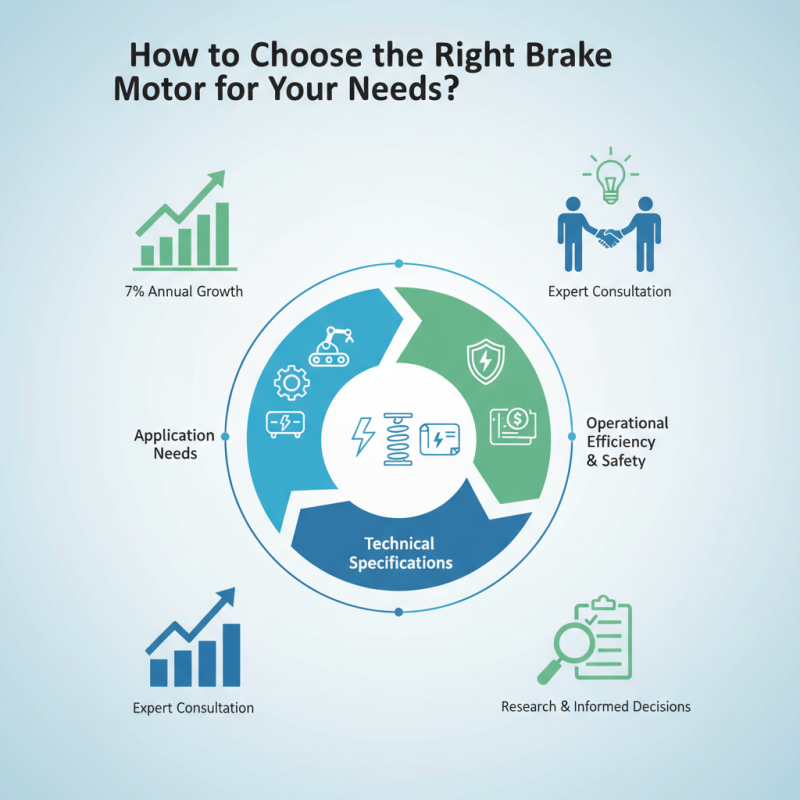
Choosing the right Brake Motor is crucial for operational efficiency and safety. In the fast-evolving industrial landscape, selecting the ideal motor can reduce costs and improve performance. According to a recent industry report by Technavio, the global Brake Motor market is projected to grow by over 7% annually. This growth underscores the importance of informed decision-making.
Industry experts provide valuable insights into this selection process. Dr. Emily Carter, a leading authority in motor technologies, emphasizes that “choosing a Brake Motor involves understanding application needs and technical specifications.” This highlights the intricate balance between technical requirements and practical performance.
However, many professionals face challenges when determining the proper specifications. Inaccurate assessments can lead to inefficiencies. The nuances of torque, voltage, and design can be overwhelming, yet they play a vital role in operational success. Addressing these complexities starts with valid research and expert consultation. Making informed choices on Brake Motors is not just beneficial; it is essential for achieving long-term goals in any industrial application.
Understanding Brake Motors and Their Applications
Brake motors are essential components in various industrial applications. They serve to stop machinery safely and effectively. Understanding their operation is crucial for proper selection.
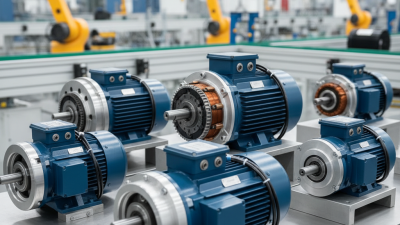
These motors consist of an electric motor with a brake system. The brake system can be either electromagnetic or mechanical. Depending on the application, one type may be more effective than the other. For instance, machines requiring quick stops benefit from electromagnetic brakes. In contrast, those enduring heavy loads may need mechanical brakes.
When choosing a brake motor, consider load requirements and duty cycle. The size and power need to match your application. It's important to not overlook the motor’s thermal limits. Heat can cause failures if not managed properly. Users often underestimate these factors, leading to suboptimal performance. Make sure to evaluate all aspects before making a decision.
Identifying Your Operational Requirements and Constraints
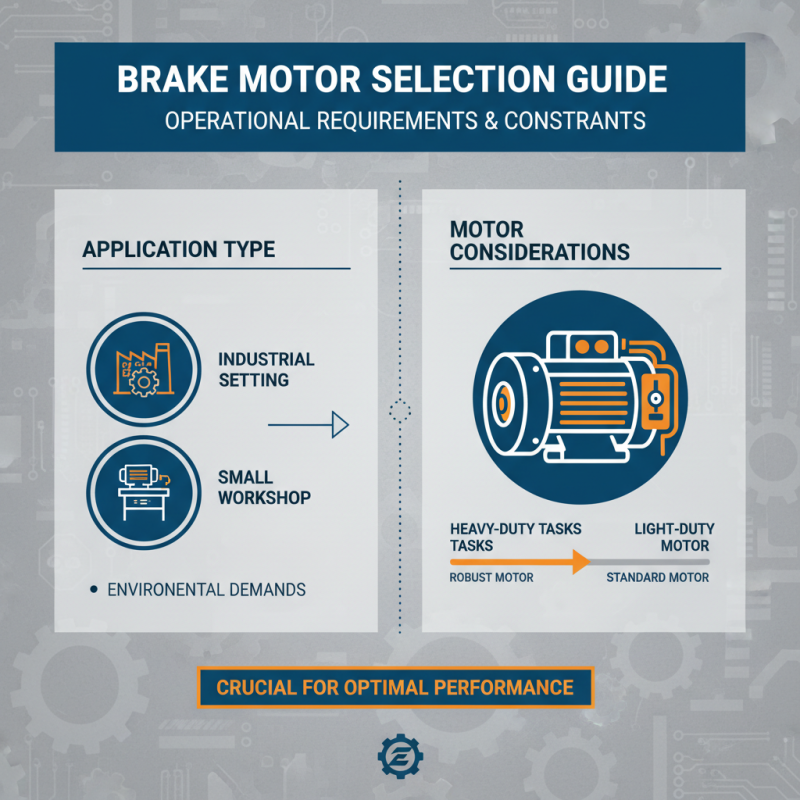
Identifying your operational requirements is crucial when selecting a brake motor. Consider the type of application you'll be using it for. Are you in an industrial setting, or is it a small workshop? Each environment has unique demands. For instance, a heavy-duty task may require a more robust motor.
Next, evaluate the constraints that affect your choice. How much space do you have? Size and weight are significant factors. A compact motor might be ideal if you're limited on space. Additionally, consider the power supply available. Does your facility operate on standard voltage, or do you need a specialty motor? These decisions can impact efficiency and compatibility with your existing systems.
Take time to assess other factors as well. Speed requirements vary from application to application. Think about how fast you need the motor to operate. Remember, higher speeds can lead to wear and tear. Balancing performance and longevity is vital. Don’t rush this decision. Reflect on your needs and gather input when necessary.
Evaluating Different Types of Brake Motors Available
When evaluating different types of brake motors, it's essential to understand their specific applications. Brake motors are commonly used in various industries including manufacturing and material handling. Each type has unique characteristics that can influence performance. For instance, DC brake motors are favored for their precise control in low speed applications. They offer reliable stopping power, but might not be suitable for all environments.
Another option is the AC brake motor. These are usually more robust and require less maintenance. However, they may lack the same level of control as DC motors. The choice between these types often depends on the type of machinery and the work environment. Some applications may benefit from a combination of both types, depending on the specific requirements and constraints.
It's also important to consider the reliability of each motor type. Real-life performance can vary, and what works well in theory may not hold up under actual conditions. This can lead to unexpected downtime or increased costs. Users must weigh these factors carefully. Assessing the needs and challenges of the specific application is crucial. This ensures that the chosen brake motor aligns well with operational goals.
Key Specifications to Consider When Choosing a Brake Motor
When choosing a brake motor, several key specifications must be considered. Power rating is crucial. It determines the motor's efficiency and performance. A motor's torque rating tells you how much load it can handle. Different applications require different torque levels. Understanding these requirements helps prevent future issues.
Another important factor is the braking method. Some motors use electrical braking, while others rely on mechanical brakes. Each method has distinct advantages. For example, electrical brakes can provide faster stopping times. However, they may not be suitable for all environments. Choose the braking method that best suits your application.
Tips: Evaluate the environment in which the motor will operate. For instance, moisture and dust require specific motor enclosures. Check the temperature range, too. High temperatures can reduce motor lifespan. Consider additional features, like thermal protection. These safeguards can enhance reliability and durability. Investing time in these details will lead to better performance. Choose wisely to avoid setbacks in your projects.
Making the Final Decision: Comparing Options and Costs
When you are ready to compare options and costs for a brake motor, several factors come into play. Start by evaluating the specific requirements of your application. Look for key parameters like horsepower, voltage, and mounting style. A mismatch in any of these can lead to inefficiencies and increased costs. Many users forget to consider how environmental conditions could affect performance. It’s essential to ensure the motor can handle the temperature and humidity levels of your facility.
Next, gather different quotes from suppliers. It helps to have a range of prices to make a well-informed decision. Comparing technical specifications is vital too. Sometimes, cheaper options may not deliver the expected performance. Quality should be a priority, even if it means a higher upfront cost. Don't overlook warranties and support services. It’s frustrating to invest in a product only to encounter issues without adequate assistance.
Finally, reflect on the long-term costs associated with each option. Maintenance and energy consumption can add up significantly over time. A more efficient motor might cost more initially but save money in the long run. Before finalizing your choice, weigh these factors carefully. The right motor isn't just about the price tag; it’s about overall value for your specific needs.



 Daniel.Ding
 Ding
Ding